26th September 2026
#Cocktails #Food & Drink

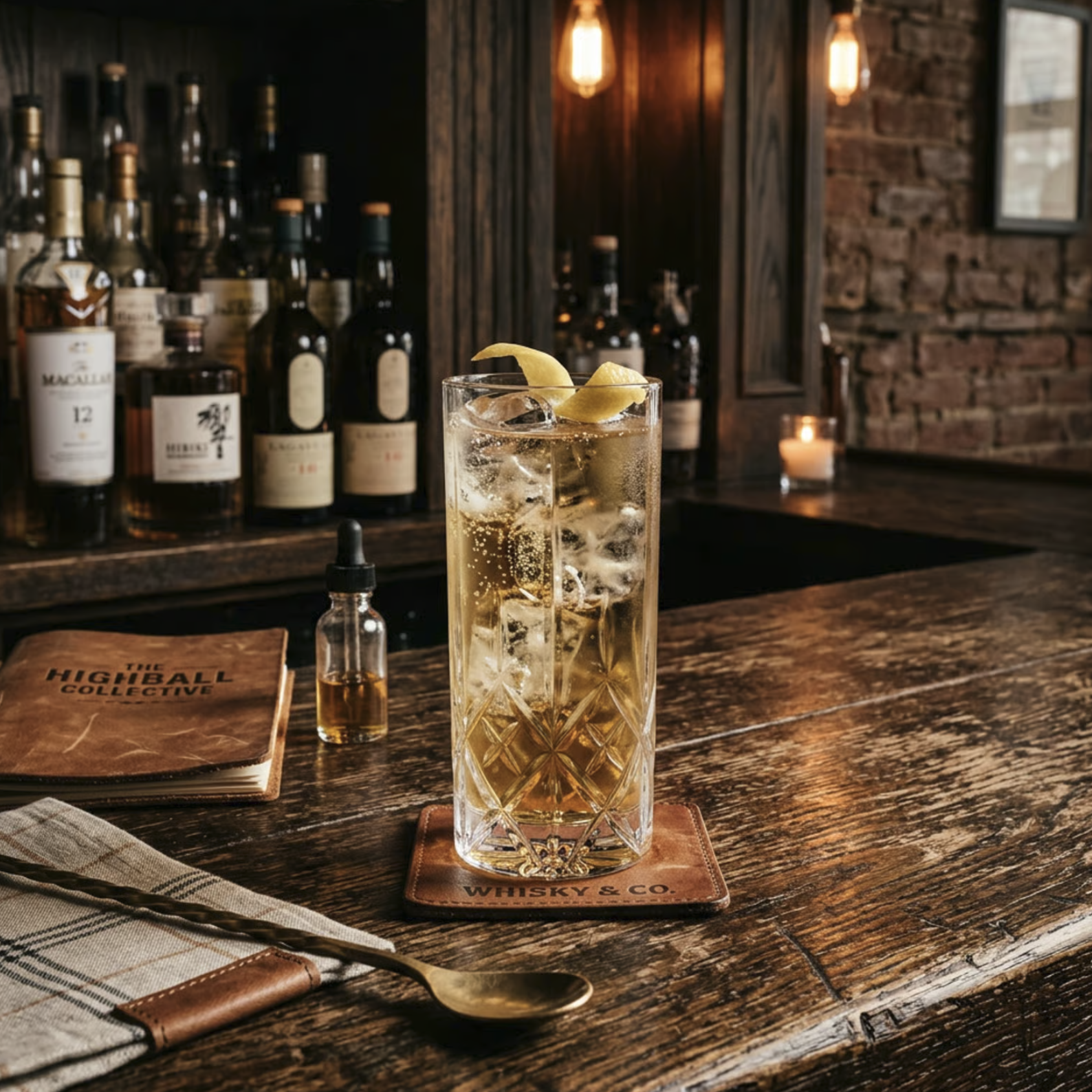
Cocktail – Toronto

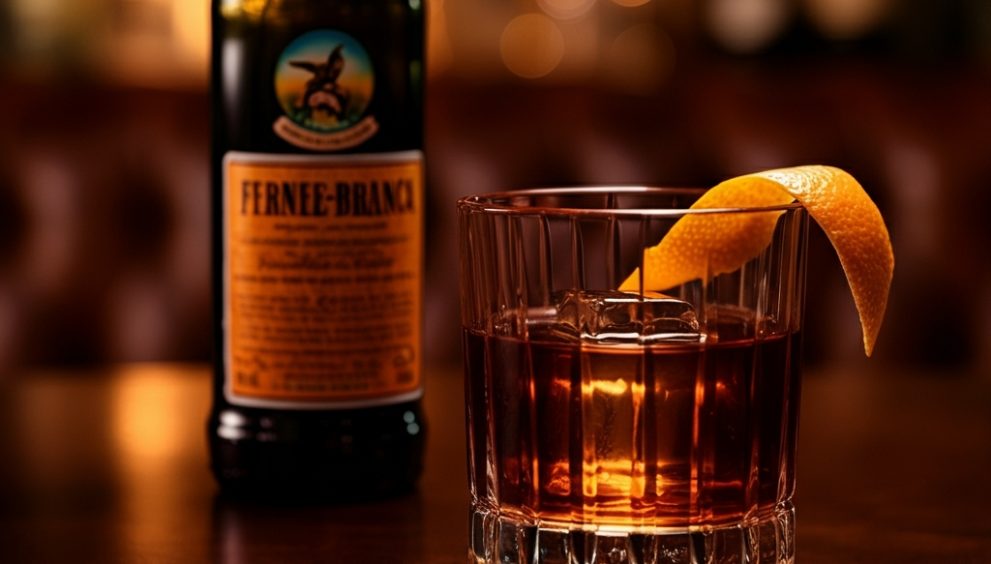
Like its namesake city, the Toronto cocktail walks a line between rugged and refined. A cousin to the Old Fashioned and Manhattan, it combines whisky with a bracing splash of Fernet-Branca, giving it a cool bitterness that bites, then smooths out with honeyed depth.

It’s not loud — it’s low-lit and lingering. For those who like their drinks stirred, serious, and just a little mysterious, the Toronto offers a whisper of the past and a sharp kick of present-day confidence.

 Ingredients:

  • 50ml Canadian rye whisky or bourbon

  • 7.5ml Fernet-Branca

  • 7.5ml simple syrup (1:1)

  • 2 dashes Angostura bitters

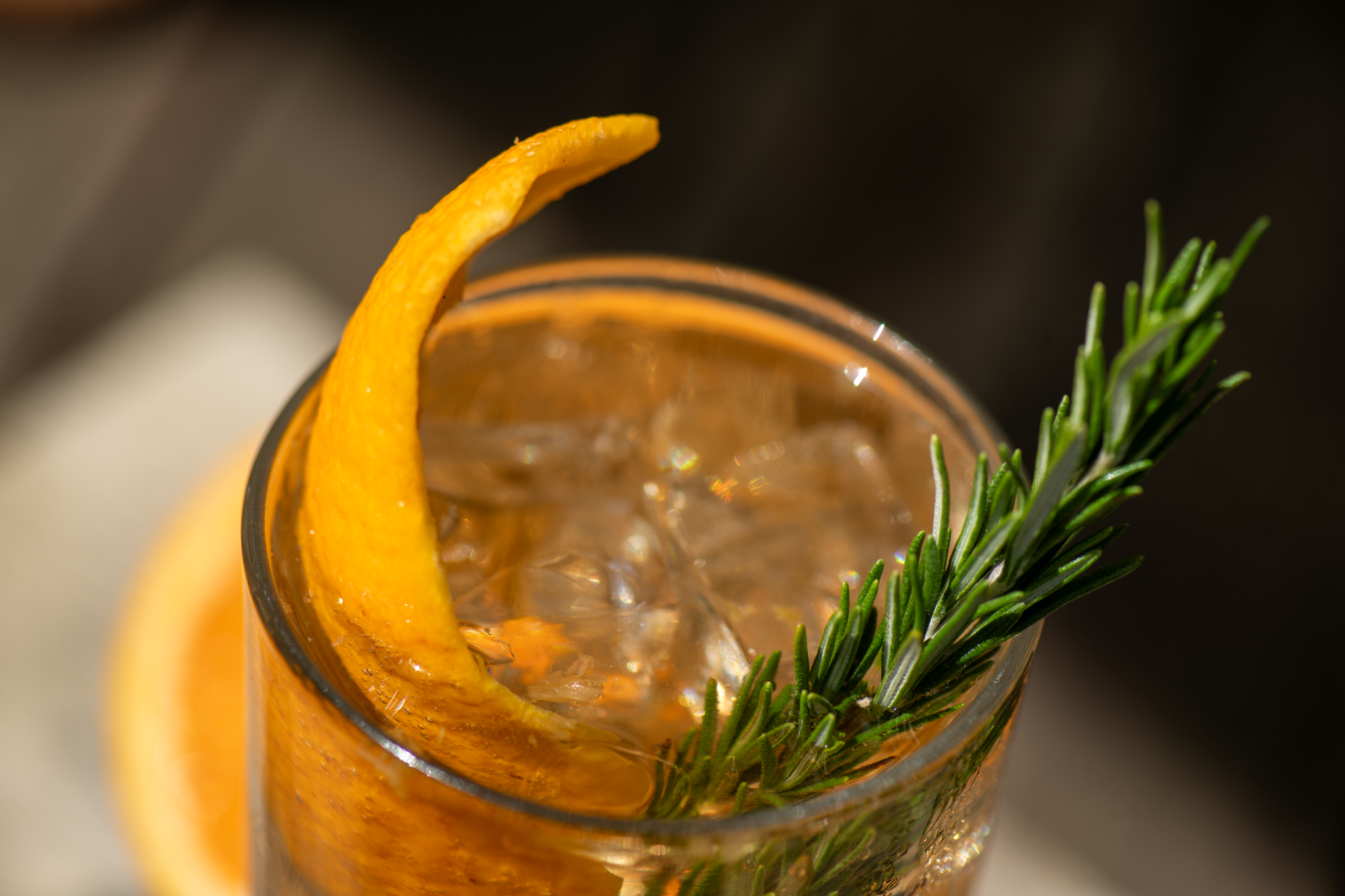
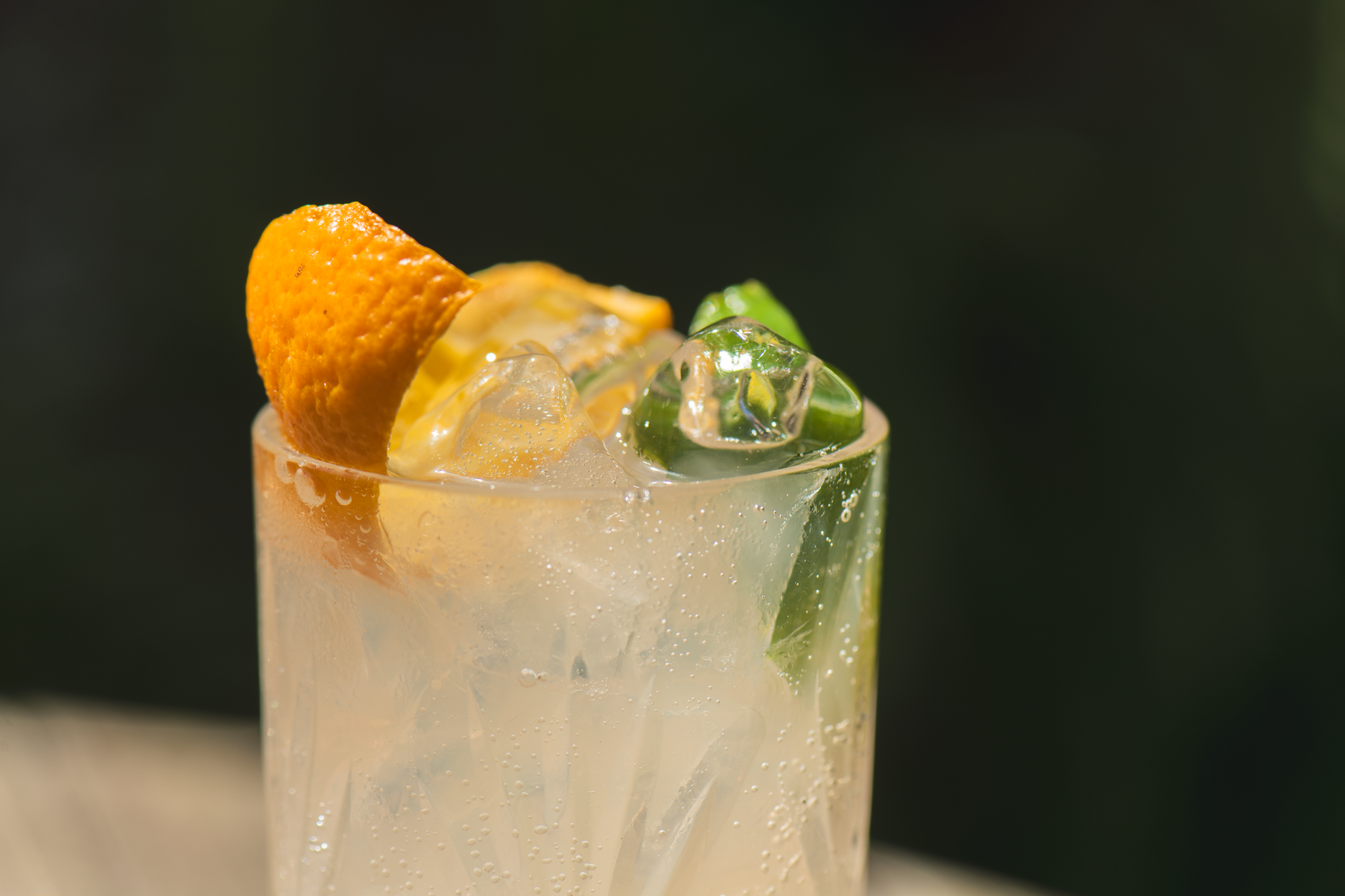
  • Orange twist (for garnish)

Preparation:

  1. Add all ingredients to a mixing glass with ice.

  2. Stir for 20–30 seconds until well chilled.

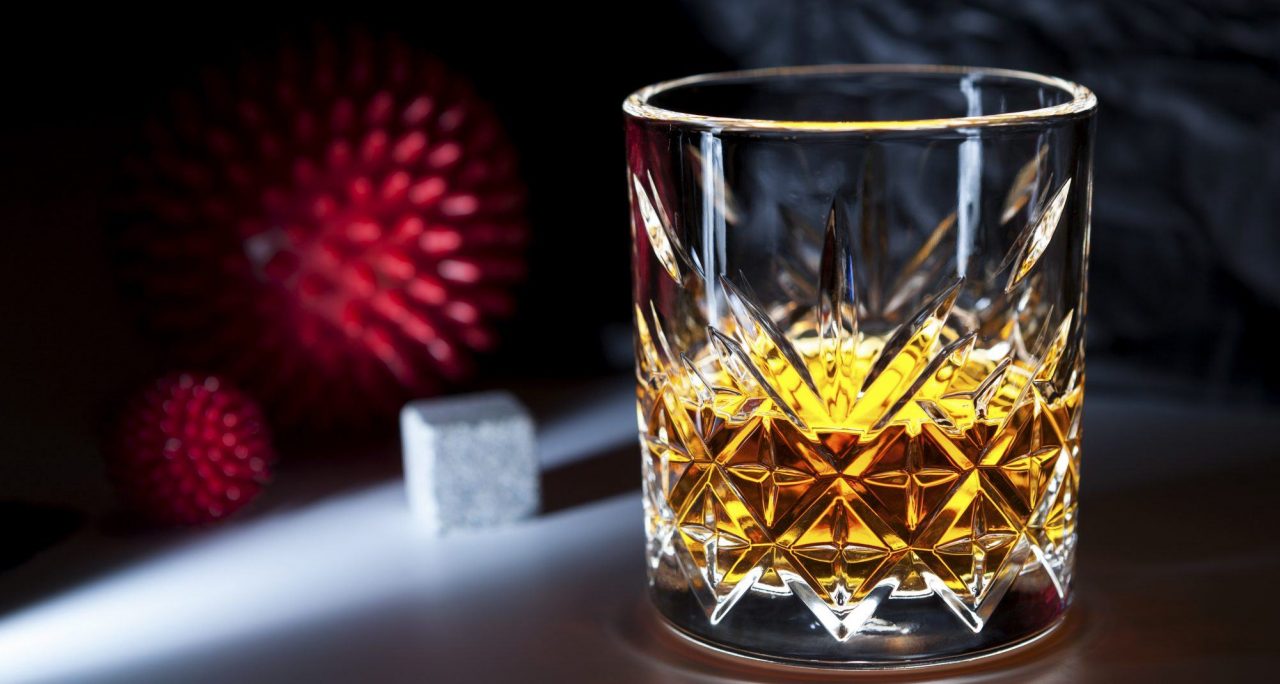
  3. Strain into a rocks glass over a large cube or serve up in a chilled coupe.

  4. Garnish with an orange twist — expressed over the drink and dropped in or discarded.

Hardware:

  • Glassware: Rocks glass or coupe

  • Tools: Mixing glass, bar spoon, julep strainer

Flavour Profile & Experience

The Toronto opens with whisky warmth and citrus zest, quickly yielding to the assertive herbal snap of Fernet-Branca. Mint, eucalyptus, gentian, and spice swirl together, tempered by sugar and brought into harmony by the bitters. The finish is long, dry, and slightly numbing — an invigorating contrast to richer whisky drinks.

Rye delivers sharper spice, while bourbon softens the edges with vanilla and caramel. Either works, depending on your mood.

Best served as a winter nightcap, or as a bridge from digestif to after-dinner conversation.

Variations & Modern Twists

Toronto Reverse
Swap the ratios: 25ml whisky to 50ml Fernet for a daring amaro-forward expression. Usually served up, it’s bold and not for the faint-hearted.

Toronto Noir
Add a bar spoon of crème de cacao and use chocolate bitters in place of Angostura for a deeper, darker twist — like a Fernet-spiked Manhattan with a dessert soul.

You can also experiment with maple syrup as the sweetener for a Canadian flourish, or substitute Fernet with other herbal liqueurs (like Branca Menta or Cynar) for variation in bitterness and nuance.

Though it bears a Canadian name, the Toronto is rarely found on Canadian bar menus. It’s more of a bartender’s choice — often made for colleagues, connoisseurs, or the curious. Want to impress a bartender? Order one confidently and they’ll know you’re not here for the ordinary.

The Toronto has its roots in the early 20th century, though its exact origins remain murky. The first known print appearance comes from Robert Vermeire’s 1922 book “Cocktails: How to Mix Them,” where it’s listed as the Fernet Cocktail. By the time it appeared in David A. Embury’s 1948 “The Fine Art of Mixing Drinks,” it had taken on the name “Toronto,” suggesting a Canadian twist — either in origin or popularity.

While the recipe has varied over the decades (sometimes served up, sometimes on the rocks, occasionally sweetened with sugar instead of syrup), the essential structure remains: whisky, Fernet-Branca, sweetener, and aromatic bitters. Fernet, a powerful Italian amaro, was once a medicinal elixir and remains a bartender’s handshake. Its inclusion lends the drink complexity, balance, and a lasting herbal finish — qualities that have kept it relevant well into the craft cocktail renaissance.

Once a secret handshake among industry insiders, the Toronto is now appreciated as a bold, bitter-edged classic.


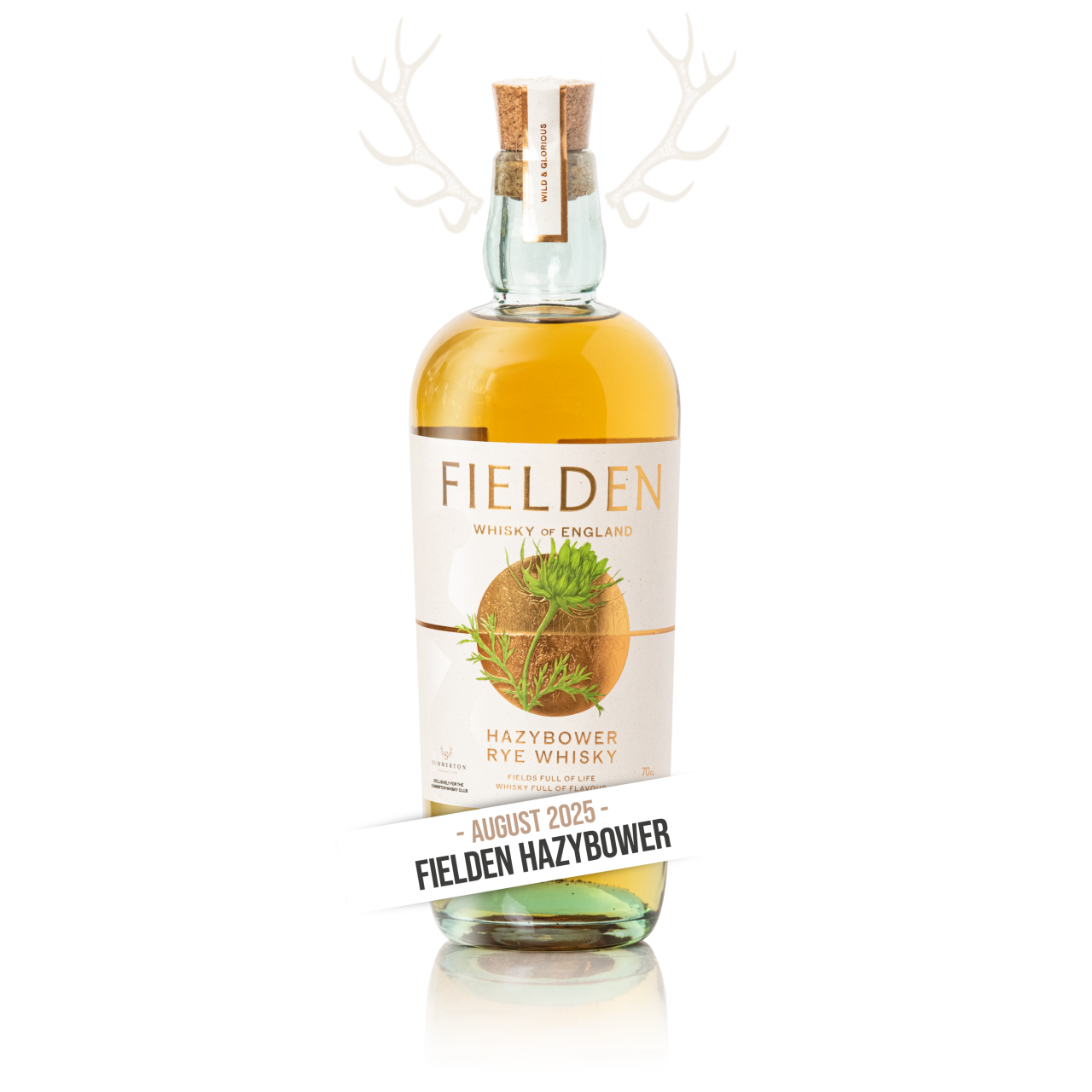
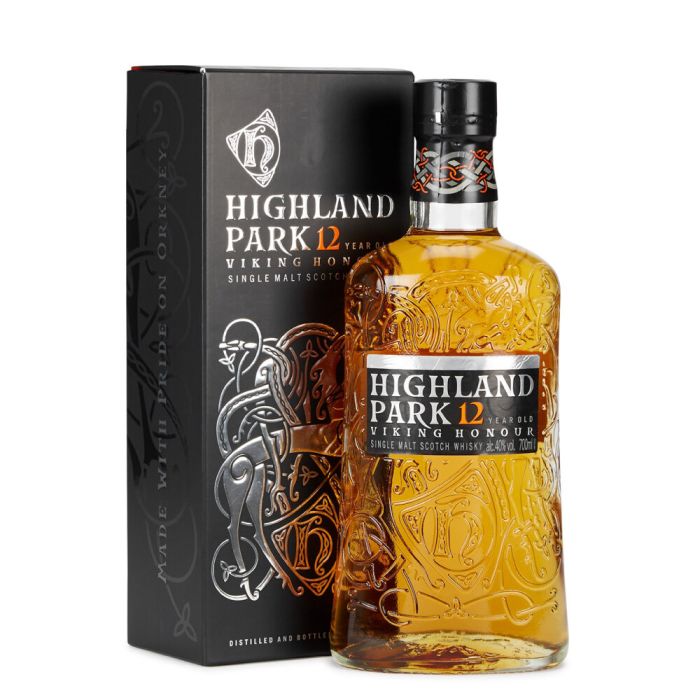
In these recipes we haven’t specified the whisky to use, as you know what you like best, and it also allows you to experiment.
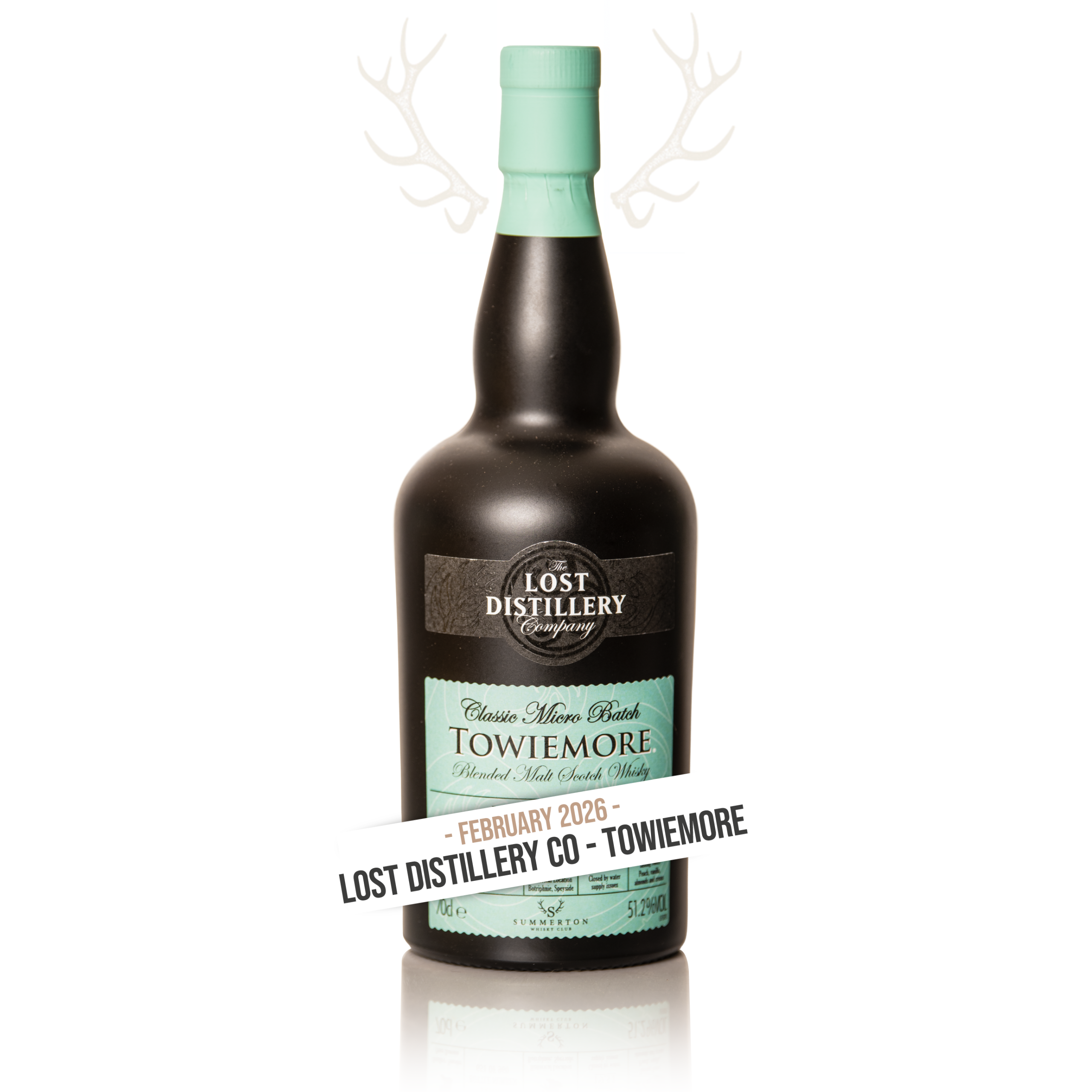
However, if you want a start, a good light, vanilla forward single malt to use would be The Glasgow Distillery’s Original. If you are looking to add some smokey depth, try The English Smokey, or if you want something fruity, try Arran Sherry Cask ‘The Bodega’.

 
Cocktail – Toronto

Cocktail – New York Sour

Cocktail – Toronto

Cocktail – Brown Derby