































Discovering Tokaj: The Golden Wines Behind Whisky Casks
-
Tom Helme / 1 year
- 31st August 2025
- 0
- 7 min read
Discovering Tokaj: The Golden Wines Behind Whisky Casks
Over the last year, I’ve been visiting wine regions across Europe to better understand the casks used to age whisky — by first understanding the wines that season them. These journeys have taken me to Valpolicella, where Amarone shaped our first Summerton Wine Experience, and to Andalucía’s Sherry Triangle, where I tasted an 80-year-old Amontillado straight from the cask and toured giant seasoning warehouses that supply much of the whisky world.
Most recently, I spent a week in the Tokaj wine region of Hungary — a place where vines have been cultivated for centuries, and where casks seasoned with Tokaj’s golden dessert wines have gone on to influence some of whisky’s rarest and most distinctive bottlings.
The Tokaj Region
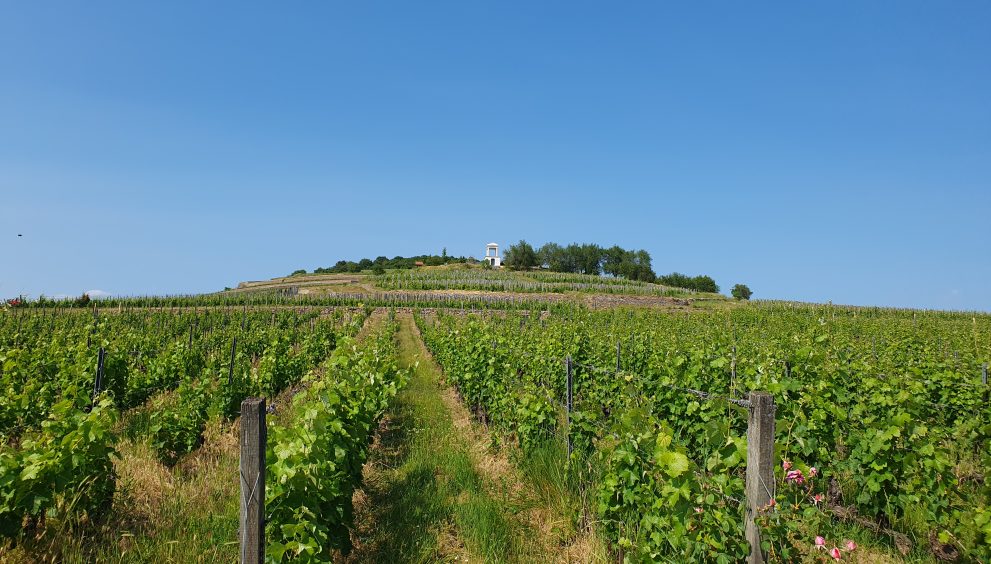
Wine has been made in Tokaj since at least the 12th century, with evidence suggesting an even earlier history. Its vineyard classification, established in 1707–1708, is thought to be the oldest formal system in the world. The region spans 27 villages, its hillsides dotted with vineyards and honeycombed with cellar tunnels carved into volcanic rock since the 14th century — the perfect natural ageing conditions.
While Tokaj produces excellent dry whites (notably from Furmint), it is the world-famous Aszú wines that make this region unique. Created from noble rot–affected grapes, pressed into a paste and rehydrated before fermentation, these wines account for just 1% of Tokaj’s production but have captivated royalty for centuries. So prized were they that they were once reserved exclusively for emperors — hence the term Imperial Tokaj.
My Tokaj Experience
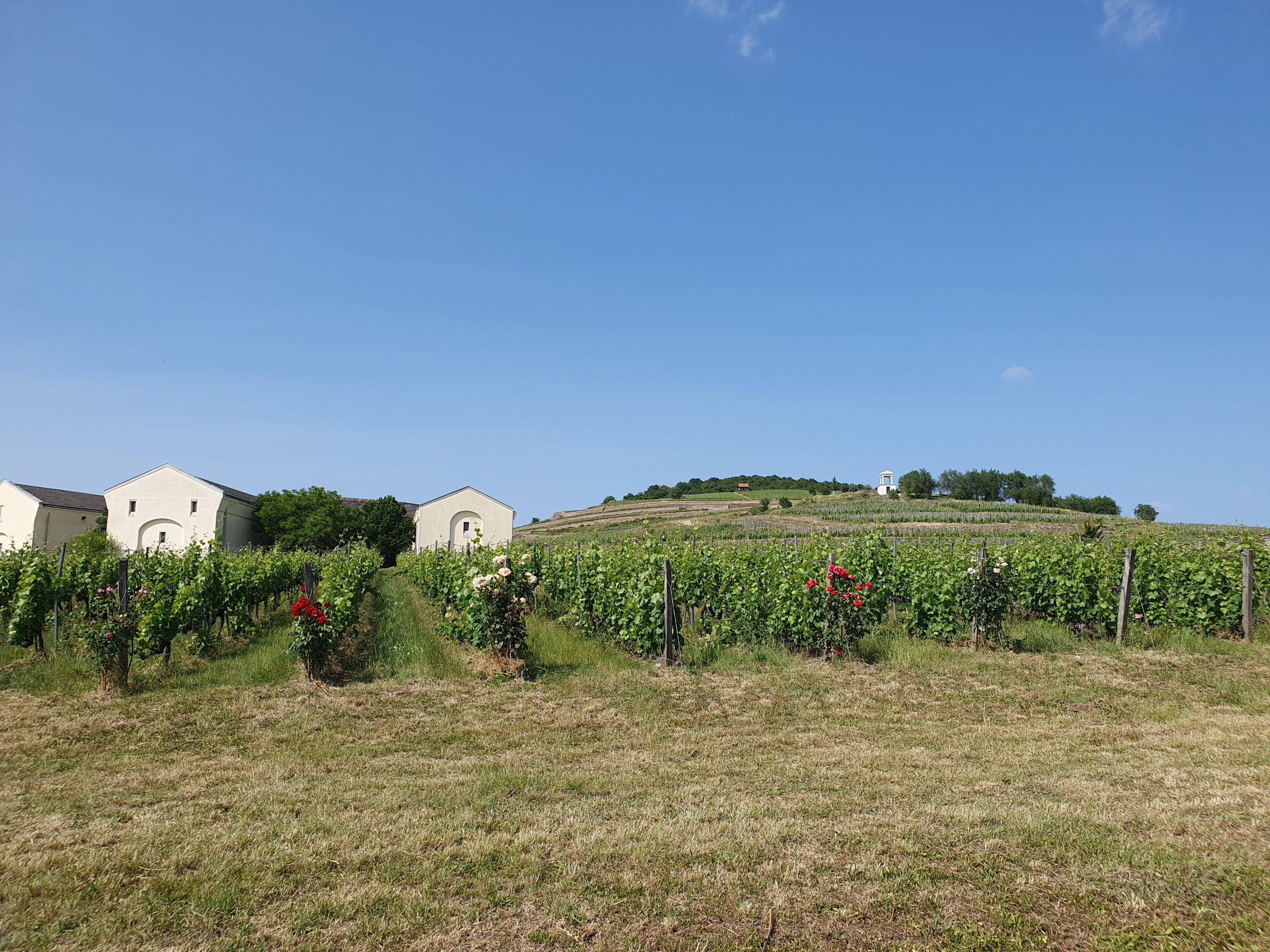
I stayed at a vineyard, my fridge stocked with bottles of their latest vintages, and joined the winemaker, Gábor Orosz, on his morning rounds. We walked his parcels of vines across varying elevations and soils, enjoying views of vineyards rolling endlessly into the distance.
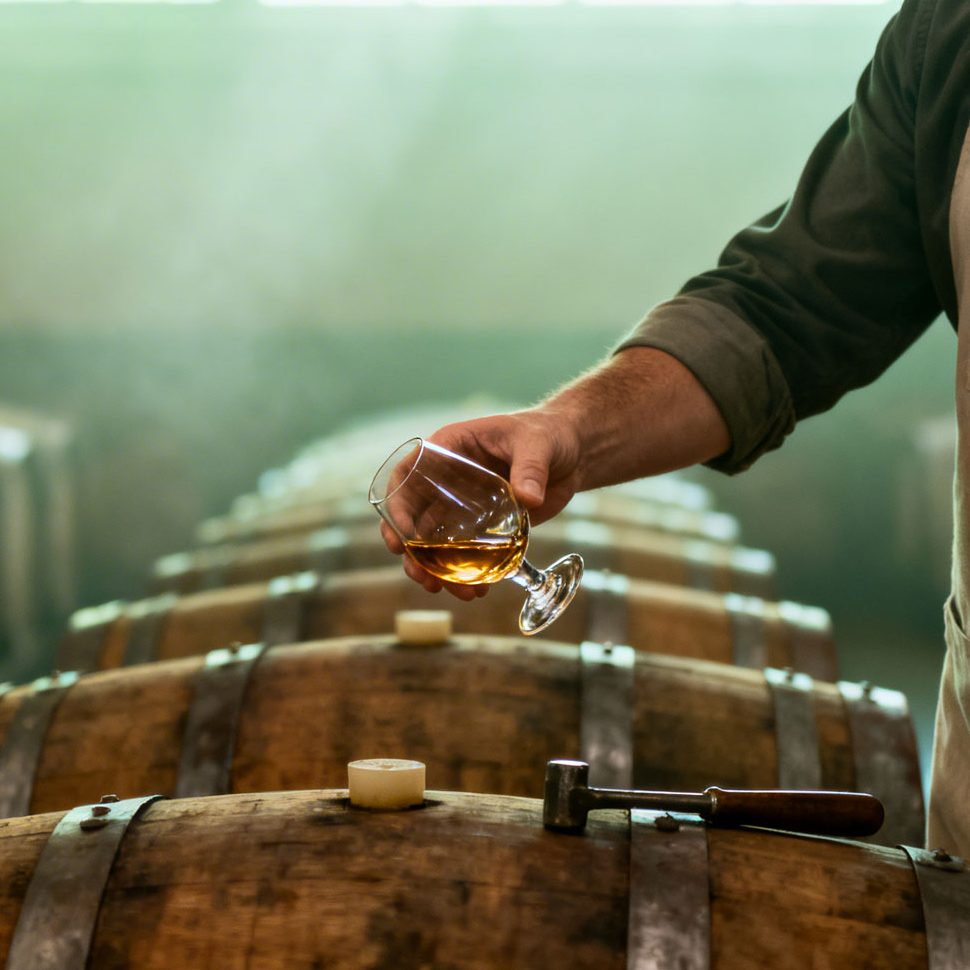
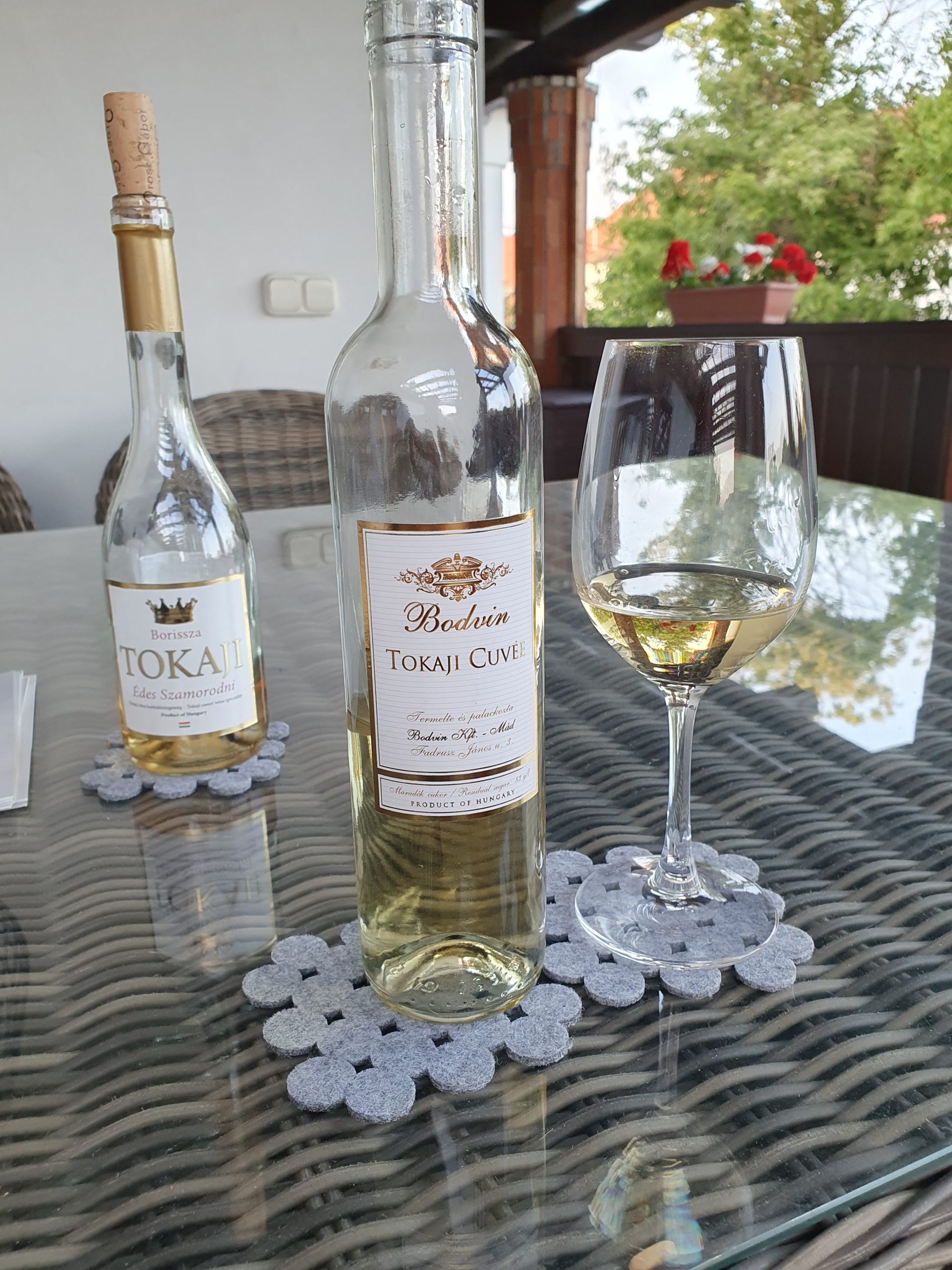
Back in the winery, I tasted Aszú wines at different stages of their life. Last year’s harvest had already developed a thick, peach-led sweetness, but the cask chosen to celebrate the birth of his son was extraordinary — syrup-like yet perfectly balanced with acidity. I suddenly understood why emperors monopolised these wines.
The highlight came with a 2014 Aszú, from a notoriously difficult vintage, still resting in cask after nearly 11 years. Despite the challenges of that year, the wine had matured into something stunning: stone fruits layered with leathery, savoury depth. It rivalled the complexity of the 80-year-old Amontillado I had tasted in Sanlúcar — proof of Orosz’s skill and Tokaj’s potential.
For fun, we even tried some distilled Aszú spirit aged in ex-Aszú casks — fiery and unusual, but it left me smiling.
Beyond the First Vineyard
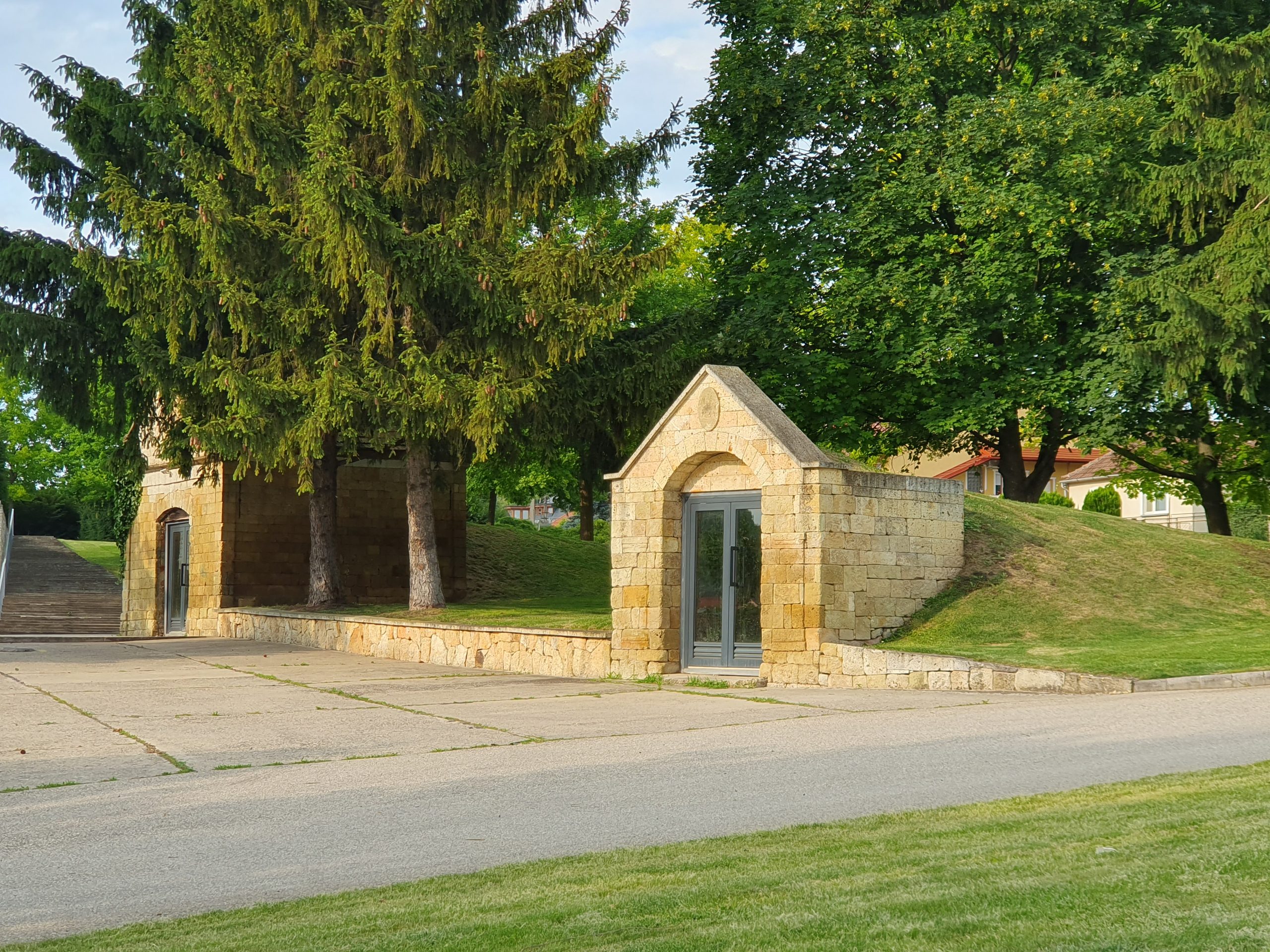
Over the following days, I explored more vineyards, sampling both dry whites and Aszú wines. Walking through villages, I noticed cellar entrances everywhere — almost every house seemed to hide its own tunnel of barrels. With over 4,600 producers in the region, winemaking here feels like a birthright. Yet it was that first visit that revealed why Tokaj casks are so sought after by whisky makers: their ability to impart rich fruitiness, depth, and a unique honeyed quality.
Now, the challenge (and opportunity) is to see if we can secure Aszú casks for Summerton Members — and perhaps even feature Tokaj in a future Summerton Wine Experience.
Tokaj Casks vs. Sherry Casks in Whisky
| Tokaj (Aszú) Casks | Sherry Casks |
|---|---|
| Sweet dessert wine matured in volcanic cellars, imparting honeyed, peach, and stone-fruit notes. | Fortified wine aged in soleras, giving nutty, oxidative, and dried fruit character. |
| Rare in whisky, but highly prized for unique balance of sweetness and acidity. | Widely used in whisky, with seasoned and bodega casks offering two distinct styles. |
| Creates rich, dessert-like whiskies with syrupy body and orchard fruit. | Produces classic “sherry bombs” or bold fruit-led styles depending on the cask type. |
Suggestion For a A 5 Day Tokaj Wine & Whisky Cask Road Trip
Hungary’s Tokaj region isn’t just home to golden wines once reserved for emperors — it’s also a source of unique casks that influence some of the most sought-after whiskies. This 5-day journey blends vineyard walks, barrel tastings, volcanic cellars, and village culture, offering whisky lovers a deeper understanding of the wines behind the casks.
Day 1: Arrival in Budapest → Tokaj
- Travel: Fly into Budapest Ferenc Liszt Airport. Collect a rental car and drive east (~2.5 hrs, 230 km) into the Tokaj wine region.
- Scenic Stop: Pull over at Gödöllő Palace (en route) — once the summer residence of Empress Elisabeth (“Sisi”).
- Afternoon: Arrive in Tokaj town. Check into a vineyard guesthouse — many offer rooms overlooking rolling vines and include bottles from their own cellars.
- Dinner: Enjoy your first glass of dry Furmint with goose liver or paprika-spiced goulash at Bonchidai Csárda.
- Overnight: Vineyard stay in Tokaj.
Day 2: Vineyard Walks & Aszú First Tastes
- Morning: Join a winemaker for a vineyard tour — walk between parcels at different altitudes, see how volcanic soils and microclimates shape flavour.
- Lunch: Picnic in the vineyards, pairing local cheeses and sausages with crisp dry whites.
- Afternoon: Barrel tasting in the winery. Compare last year’s fresh Aszú to family casks set aside for special occasions.
- Highlight: Sample a “birth cask” of Aszú, made from the best noble rot grapes, syrupy in texture yet balanced by acidity.
- Dinner: Gusteau Culinary Workshop in Mád — fine dining paired with Tokaji wines.
- Overnight: Vineyard stay in Tokaj.
Day 3: Exploring Cellars & Historic Wines
- Morning: Visit Tokaj’s historic cellars — dark, damp tunnels carved into volcanic rock since the 14th century. Note the black cellar mould that thrives in wine vapour.
- Midday: Visit Sárospatak Castle, once part of the Rákóczi family estates, closely tied to Tokaj’s wine history.
- Afternoon: Taste a library vintage — e.g., a 2014 Aszú still resting in cask, showing how even “poor” vintages evolve depth and savouriness over time.
- Cultural Experience: Optional tasting of distilled Aszú spirit, aged in ex-Aszú casks — fiery but intriguing.
- Dinner: Tokaji Borok Kertje (Tokaj Wine Garden) — rustic dining with local meats grilled over vine cuttings.
- Overnight: Boutique inn in Tarcal village.
Day 4: Villages, Vineyards & Views
- Morning: Drive through Mád and Tarcal, two of the most historic wine villages. Many producers open small cellar doors to visitors by appointment.
- Lunch: Try a late-harvest Tokaji with duck breast at a countryside tavern.
- Afternoon: Scenic drive through Sárospatak and hillside lookouts across the Bodrog River valley. Vineyards stretch to the horizon.
- Tasting: Compare dry whites (Furmint, Hárslevelű) to Aszú, noticing how acidity and noble rot create contrasting flavour profiles.
- Dinner: Illés Pince in Tokaj — family-run, serving local stews with cellar tastings.
- Overnight: Guesthouse in Tokaj town.
Day 5: Farewell Tokaj → Return to Budapest
- Morning: Final tasting at a producer of your choice — many sell half bottles, ideal for souvenirs.
- Scenic Stop: Detour to Hollókő, a UNESCO-listed village of traditional houses, on the way back to Budapest.
- Lunch: In Hollókő, try roast duck or mushroom goulash.
- Evening: Return to Budapest (~2.5 hrs) for a farewell dinner by the Danube before flying home.
Reflections
This trip revealed why Tokaj casks are prized by whisky makers. Their combination of syrupy richness, stone-fruit brightness, and balance of acidity gives whiskies matured in them a dessert-like, yet elegant quality. For me, the 2014 Aszú rivalled the 80-year-old Amontillado I tasted in Sanlúcar for sheer complexity. It’s clear that, just like with sherry or Amarone, Tokaj’s wines and casks are a treasure worth exploring for future Summerton expressions.
- Road-trip
- Wine Regions