I’ve been looking for a bourbon cask aged single malt scotch that meets the Summerton grade for a while. I think it’s such an important style but isn’t as common as it once was, with the use of sherry and other casks seen to create a more premium expression.
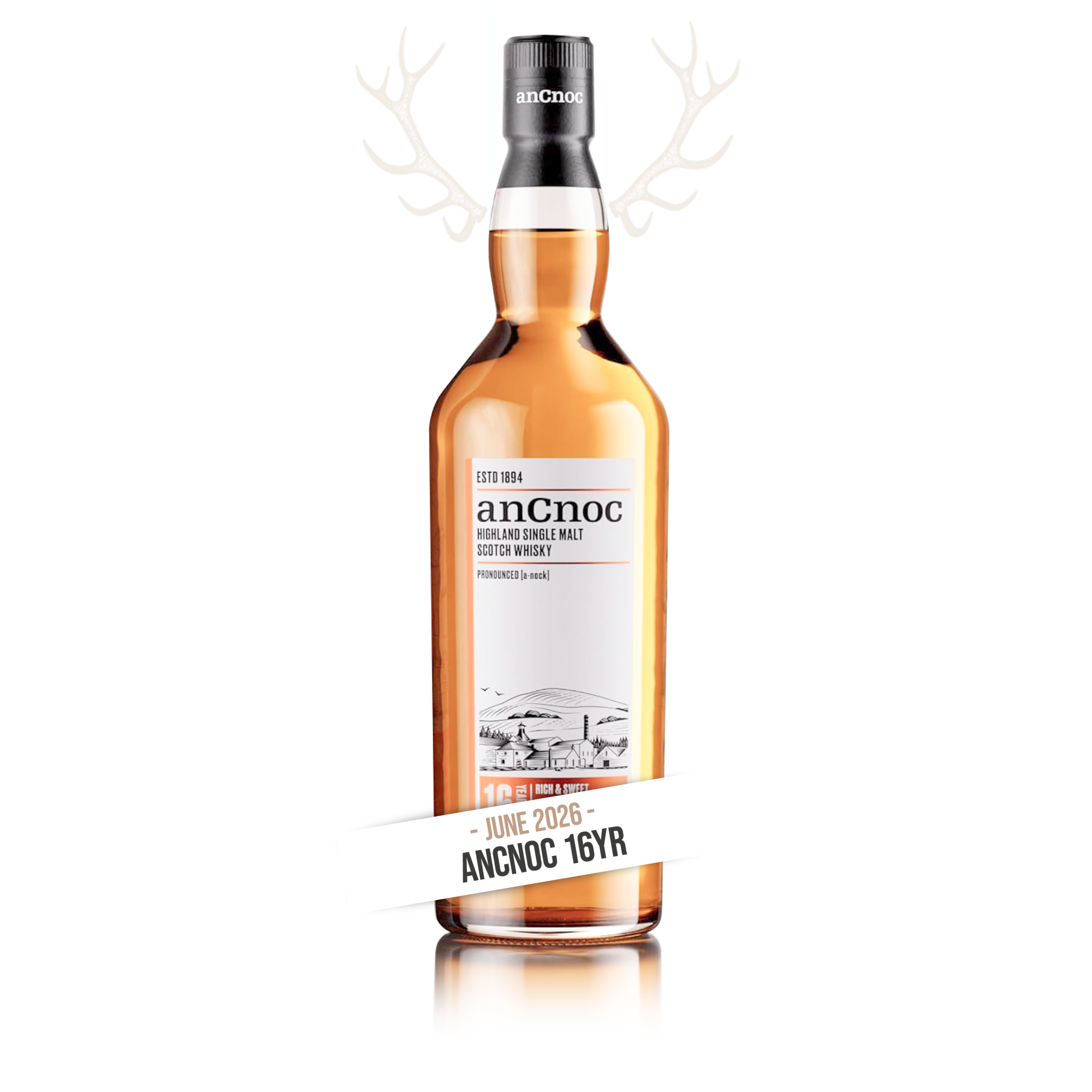
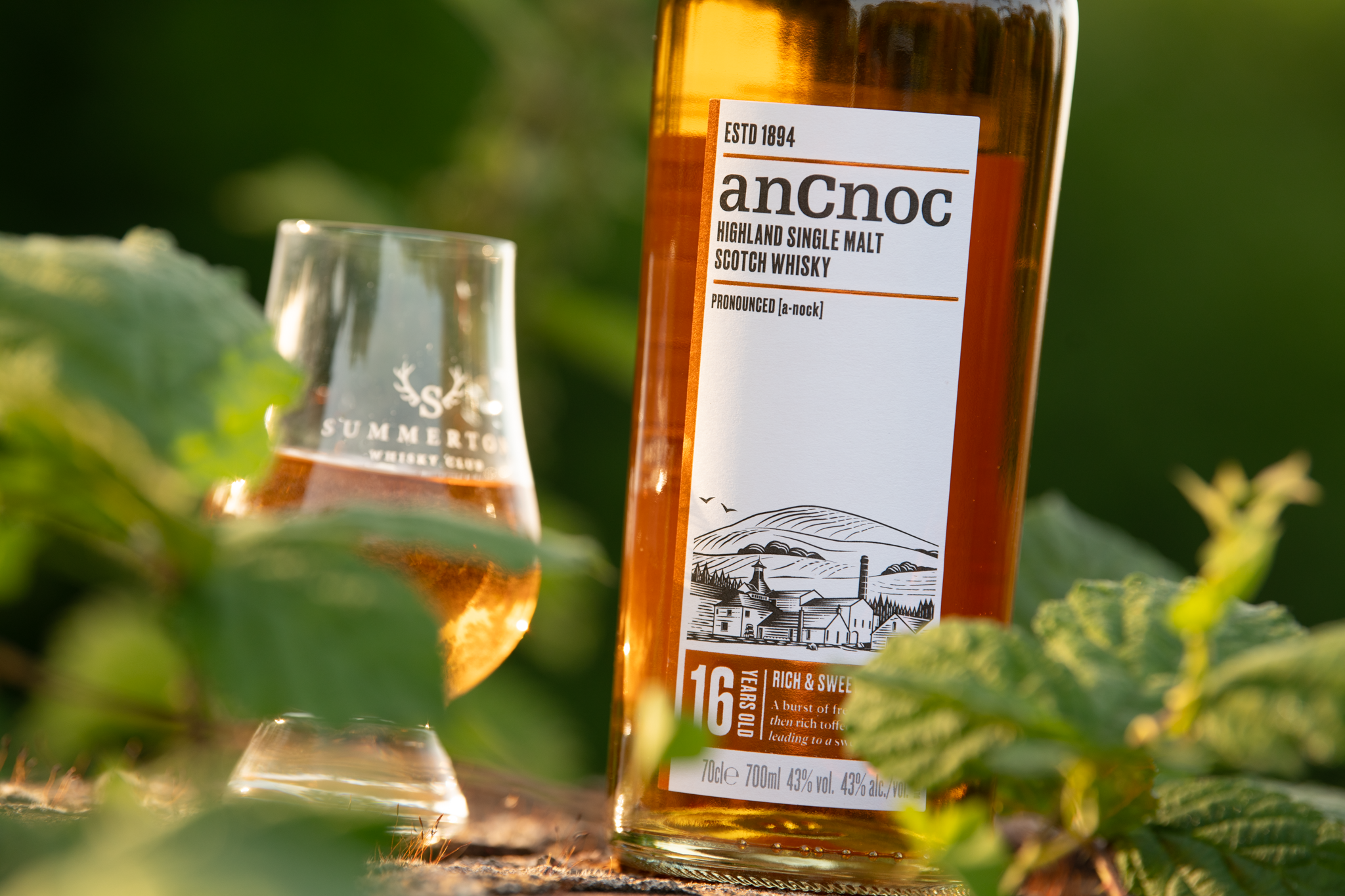
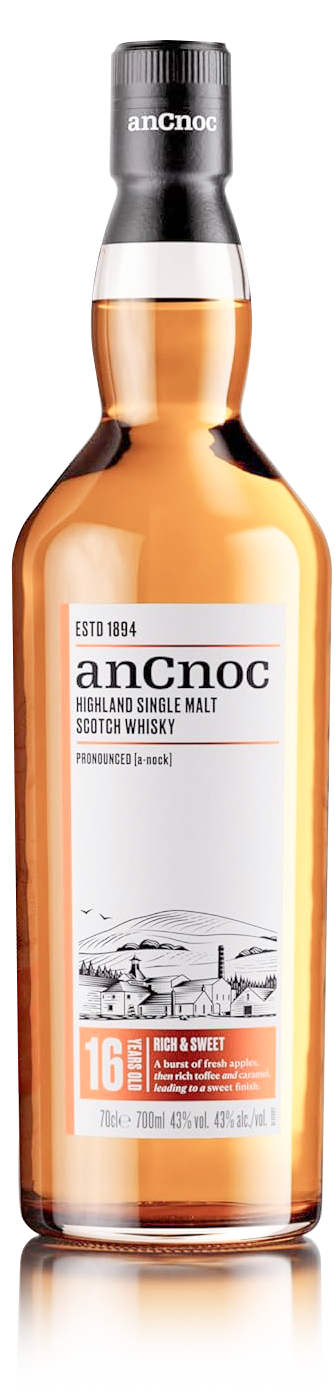
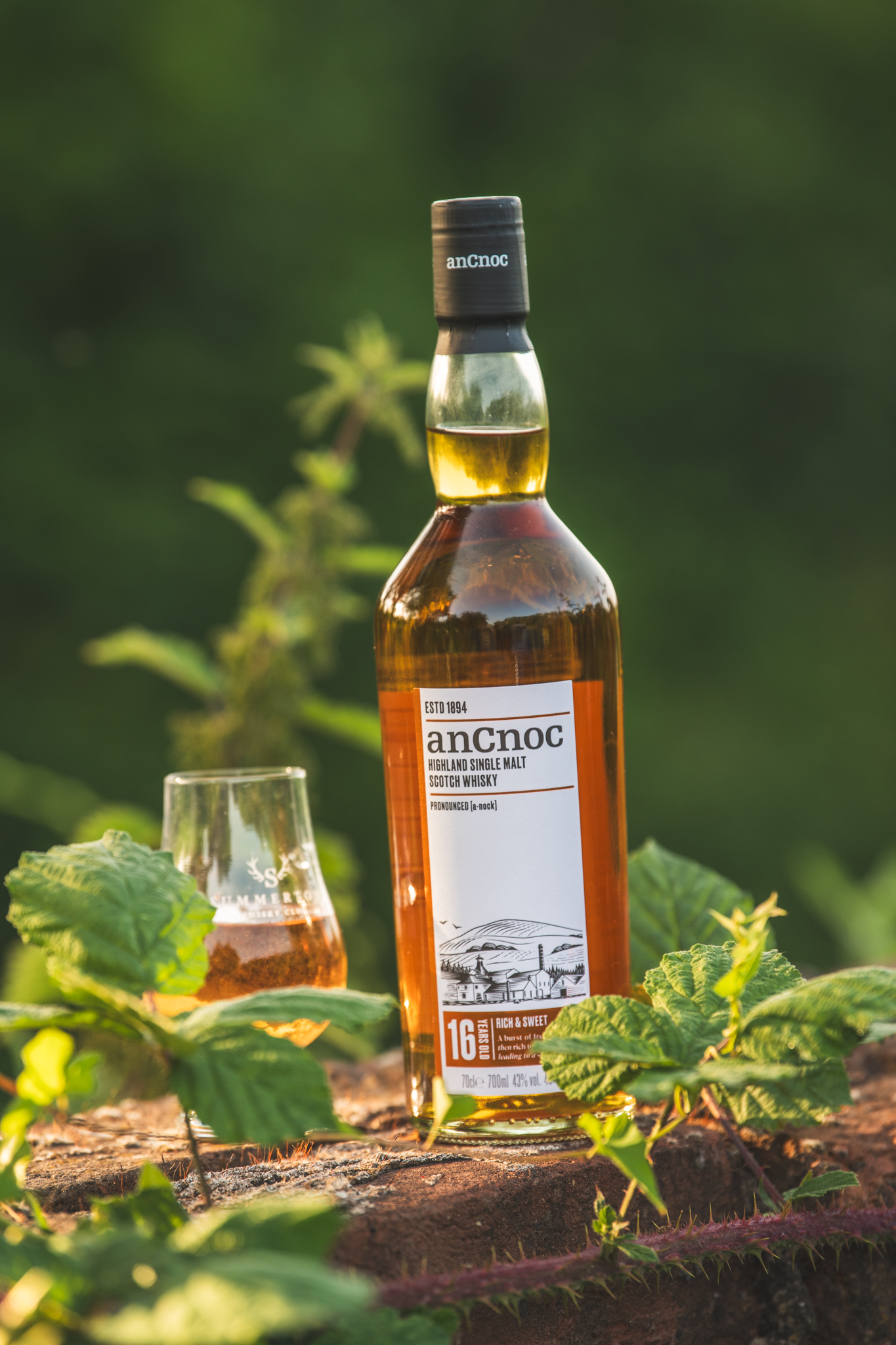
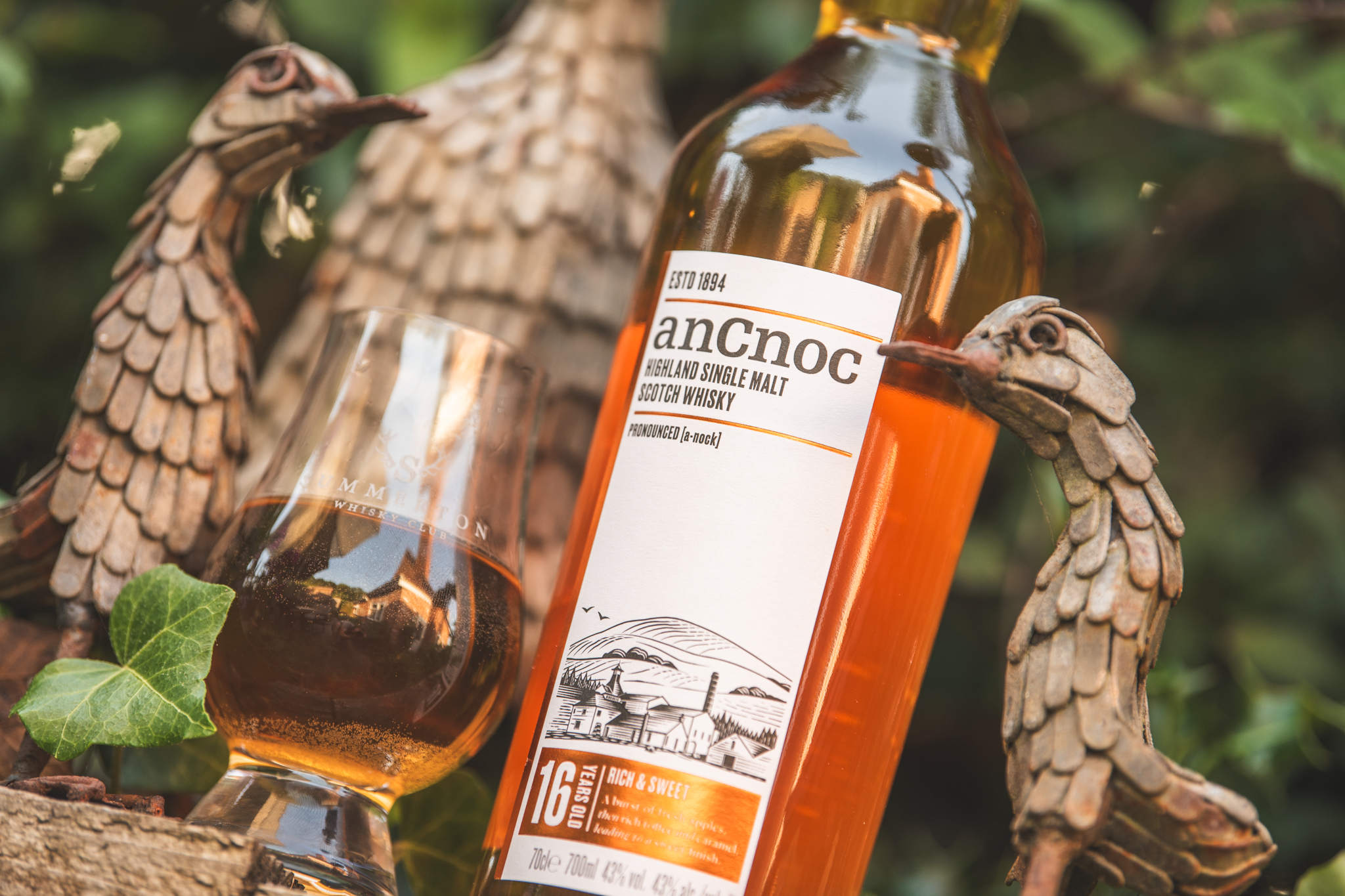
In anCnoc 16 we have what I’ve been looking for, timed for when I think it is best suited… the Summer months.
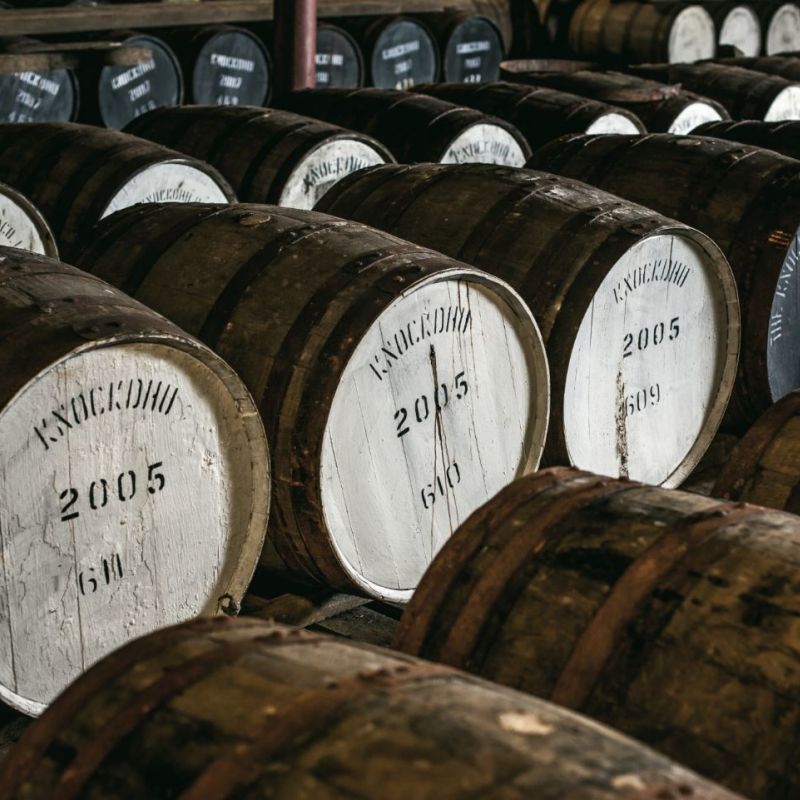
Founded in 1894 in an area of expansive barley fields, a rich supply of peat and the Great North of Scotland railway line nearby, by John Morrison, Knockdhu distillery is framed by the imposing silhouette of the nearby Black Hill, known as Knockdhu in Gaelic. The hill provides the distillery with not only its name, but also many springs of pure, clear water required to make their whisky. However, the brand name anCnoc (Gaelic for ‘the hill’ and pronounced ‘a-nock’) lends their single malt the unusual distinction of not being named after the distillery which produces it.
A traditional distillery that continues to run on the two copper pot stills installed in 1894, until Thermal Vapour Recompression (TVR) technology was installed on their wash still in 2023, the most modern piece of equipment in the distillery was a calculator. TVR greatly reduces energy consumption by recycling waste heat during the distillation process. The sustainability benefits of this greatly outweighed their desire to remain entirely manual.
Their expert team consists of eight people (and three dogs) with an average tenure of 30+ years (not including the dogs), allowing them to rely on their instinct, patience and a nose for how to make whisky. To this day, the distillery is entirely manual (except for TVR); they run on levers, valves, chain pulleys and an average of 16,000 steps per shift!
One unique part of the process at Knockdhu, established by distillery manager (Gordon Bruce), happens during fermentation. Instead of leaving the wort and yeast (now called ‘wash’) inside a single washback for the full fermentation period, he transfers the liquid to another, slightly smaller fermentation vessel after the first 42-48 hours, where it sits for a further 16 hours. This brings the total fermentation time up to an average of 63 hours.
During the peak of fermentation (12-24 hours), the wash becomes intensely foamy due to the rapid production of heat and CO2. To accommodate all this extra foam, a certain amount of ‘head room’ must be left available at the top of the washback. However, after 42-48 hours, this surface activity dies down and so the wash can be moved to a slightly smaller vessel, with no need for extra head room. Whilst most of the distiller’s yeast have died off, the movement of the liquid to a further fermentation vessel serves to ‘revitalise’ activity and promotes the development of even more fruity esters, impacting the flavour of the whisky.
This process also promotes efficiency, freeing up the large washback for the next fermentation.
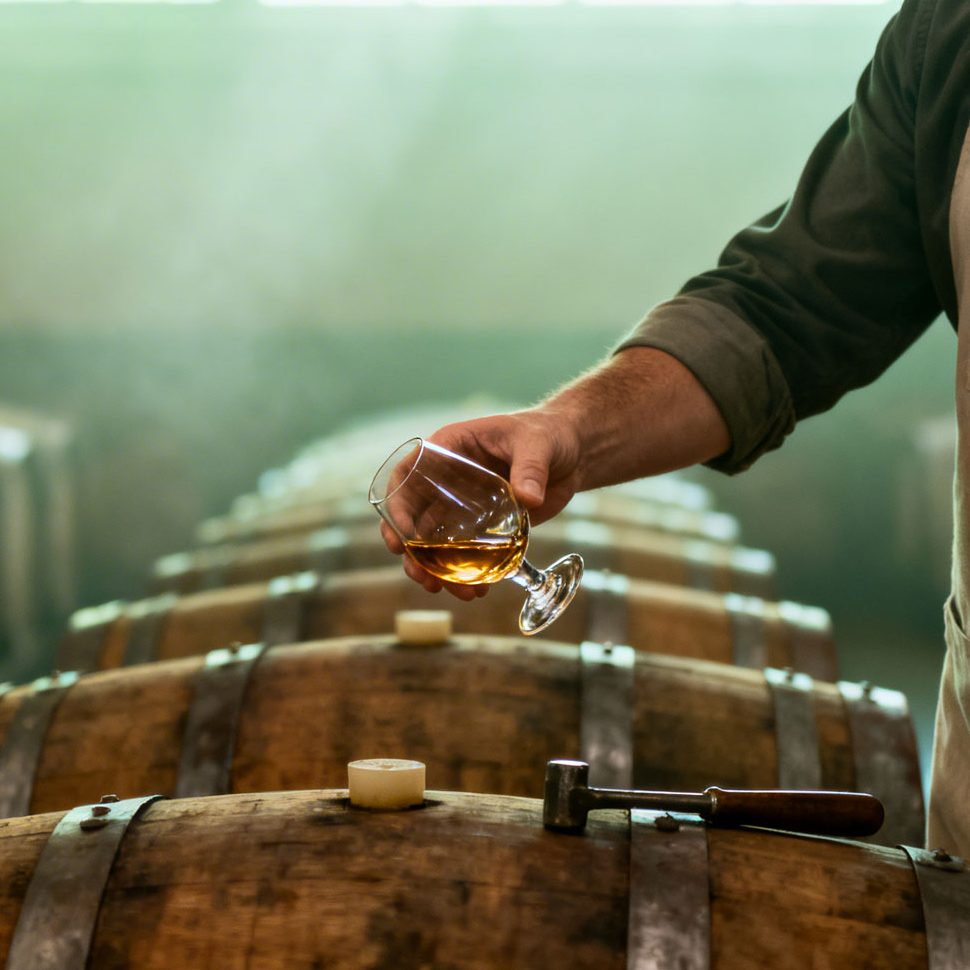
They produce a light, fruity spirit that I think works so well in ex-bourbon casks, therefore for me their 16 year old expression is a fantastic example of what they do, having been fully aged in first-fill ex-bourbon casks.
In the hotter months is when I believe this style of whisky comes into its own. It is incredibly versatile, being able to suit your needs and the temperature. It is great neat, but on a hot, sunny day
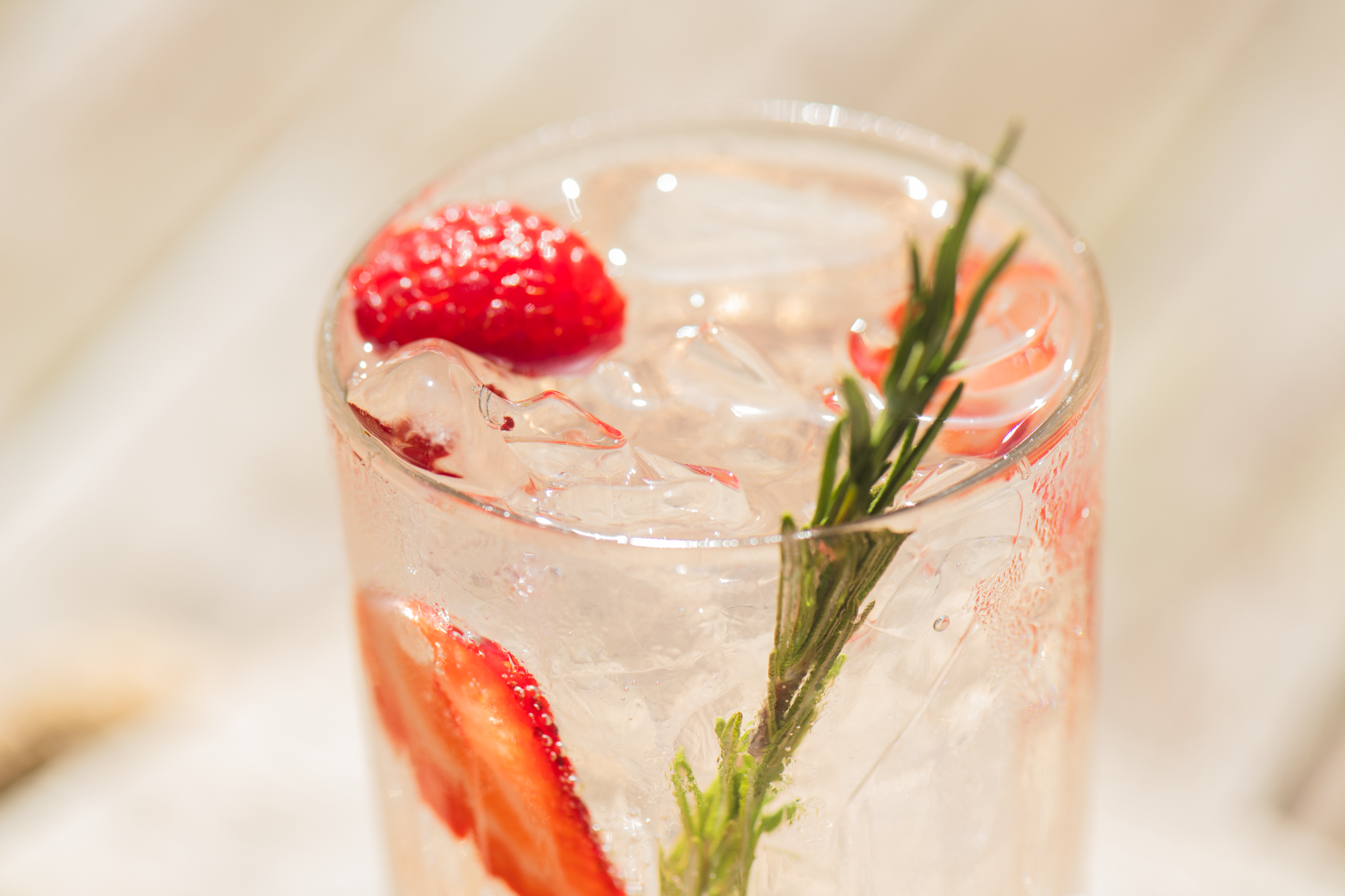
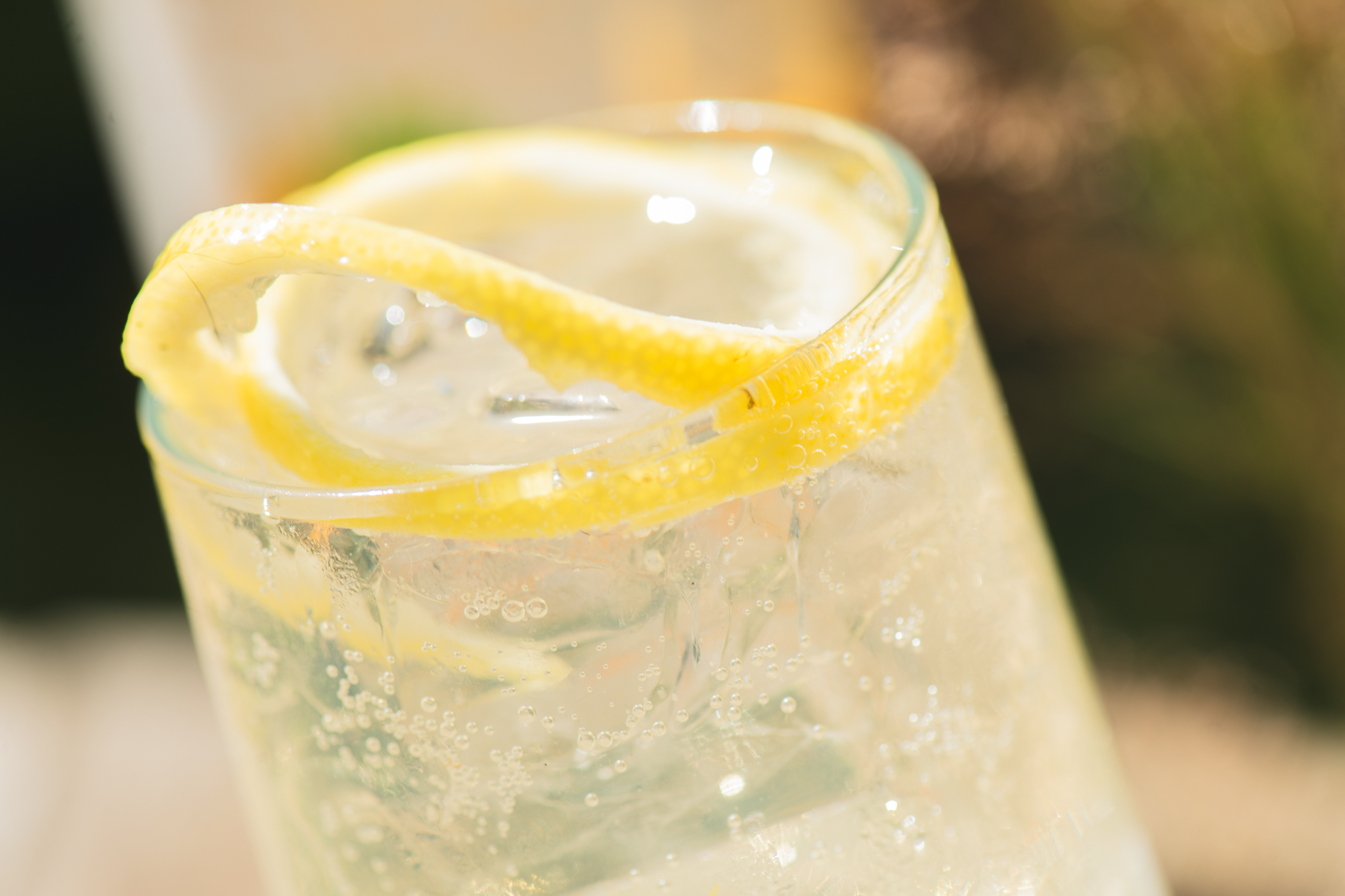
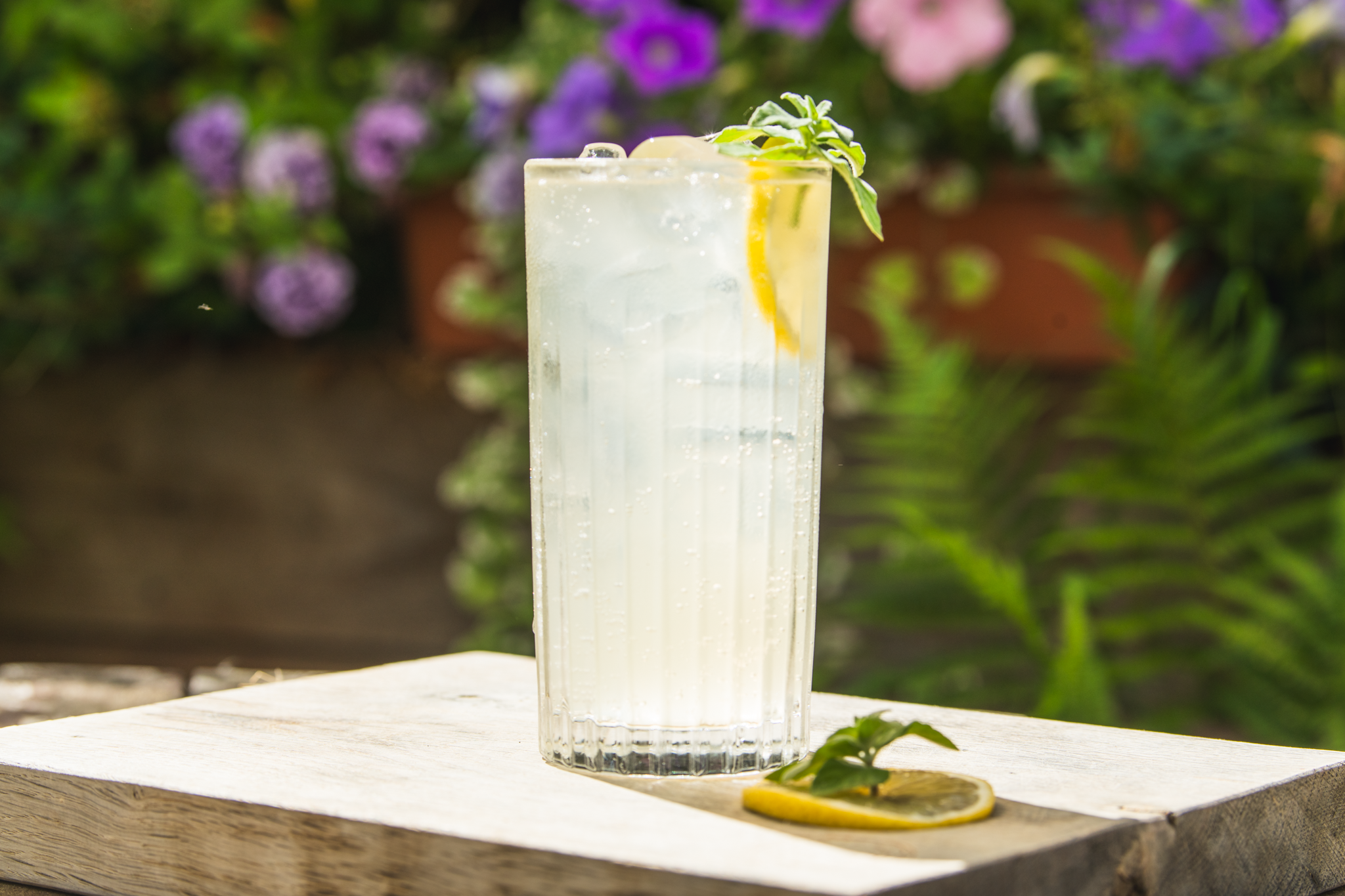
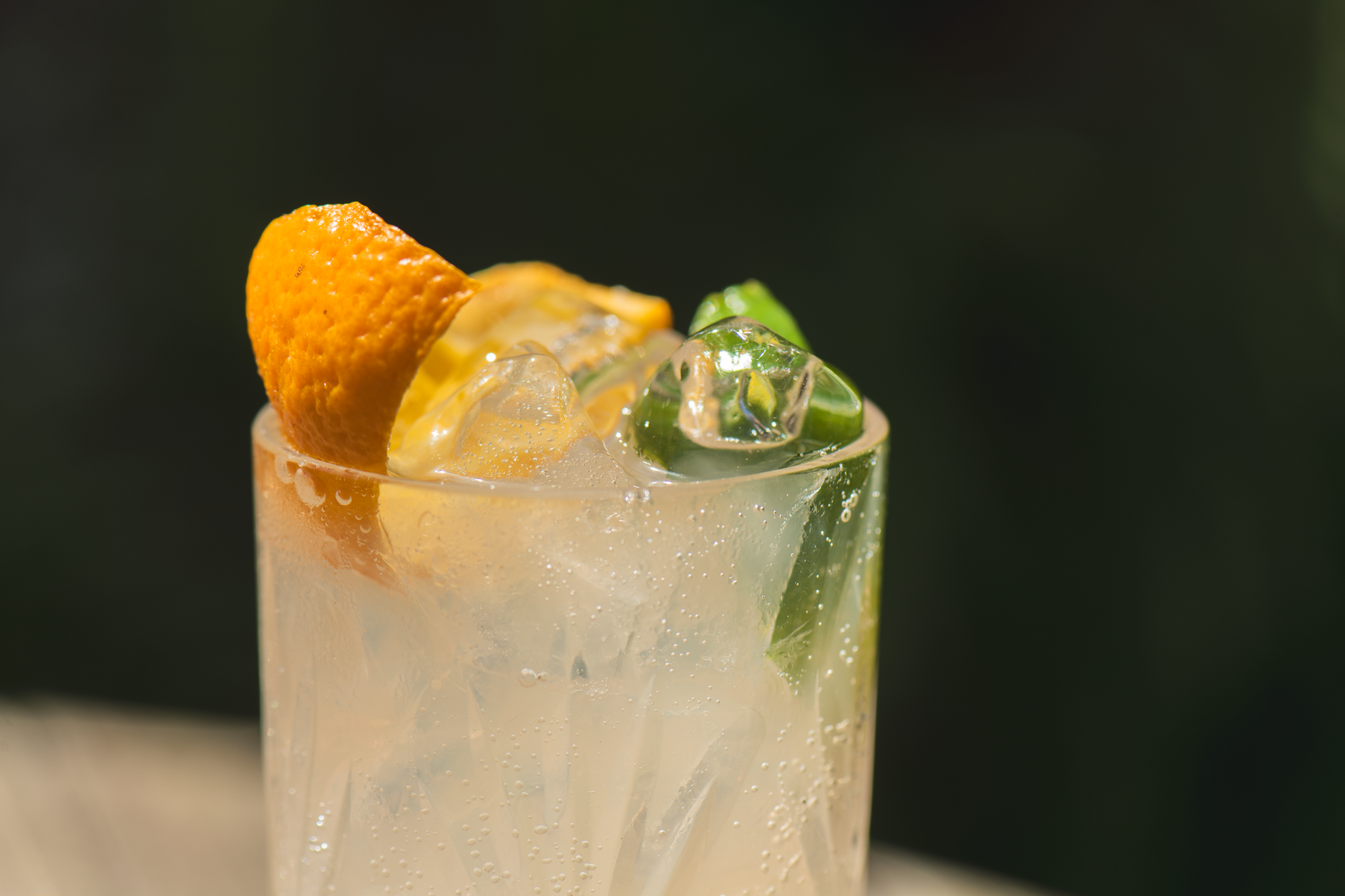
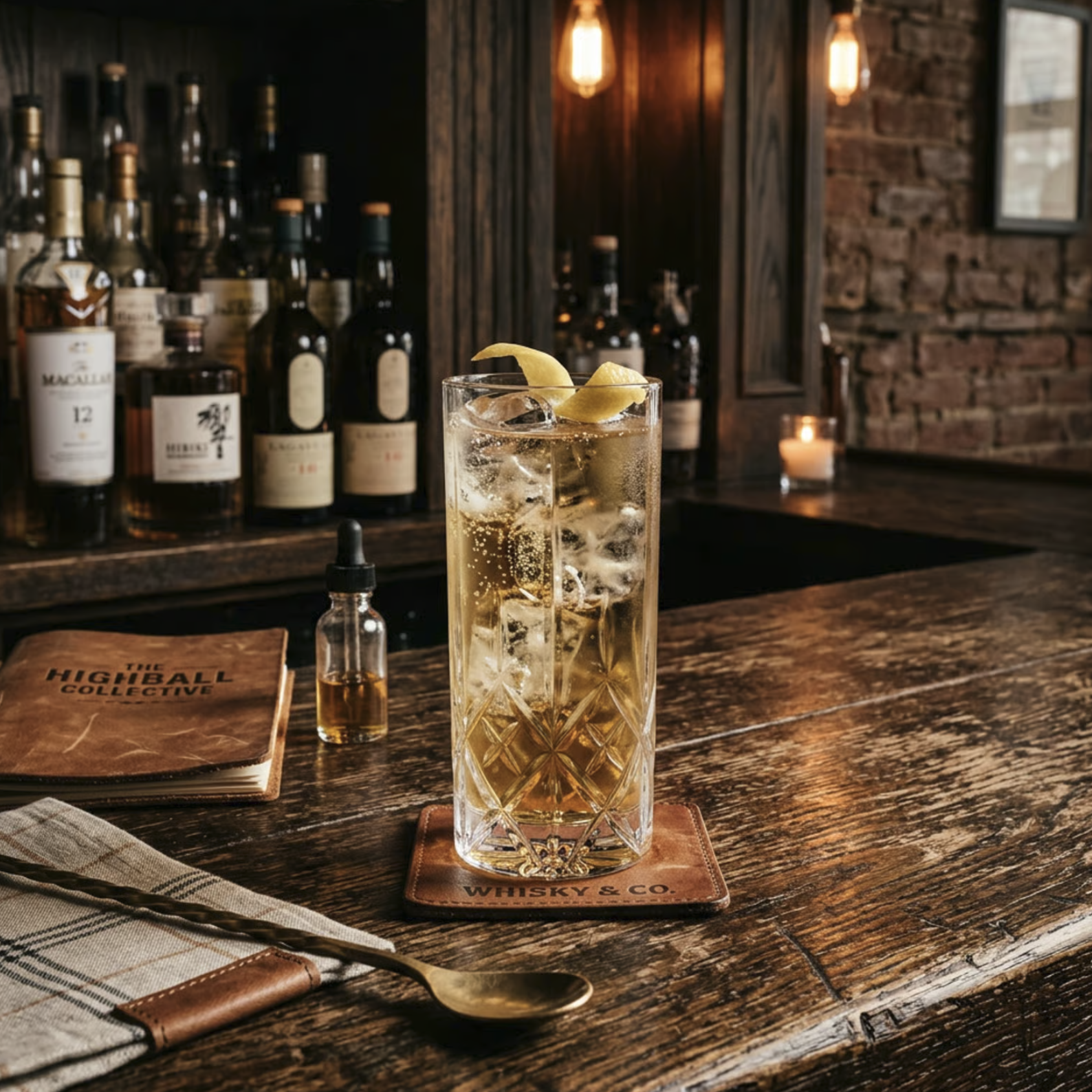
I sometimes need something refreshing too, therefore I will either enjoy over a glass of ice, or as a Whisky Highball.
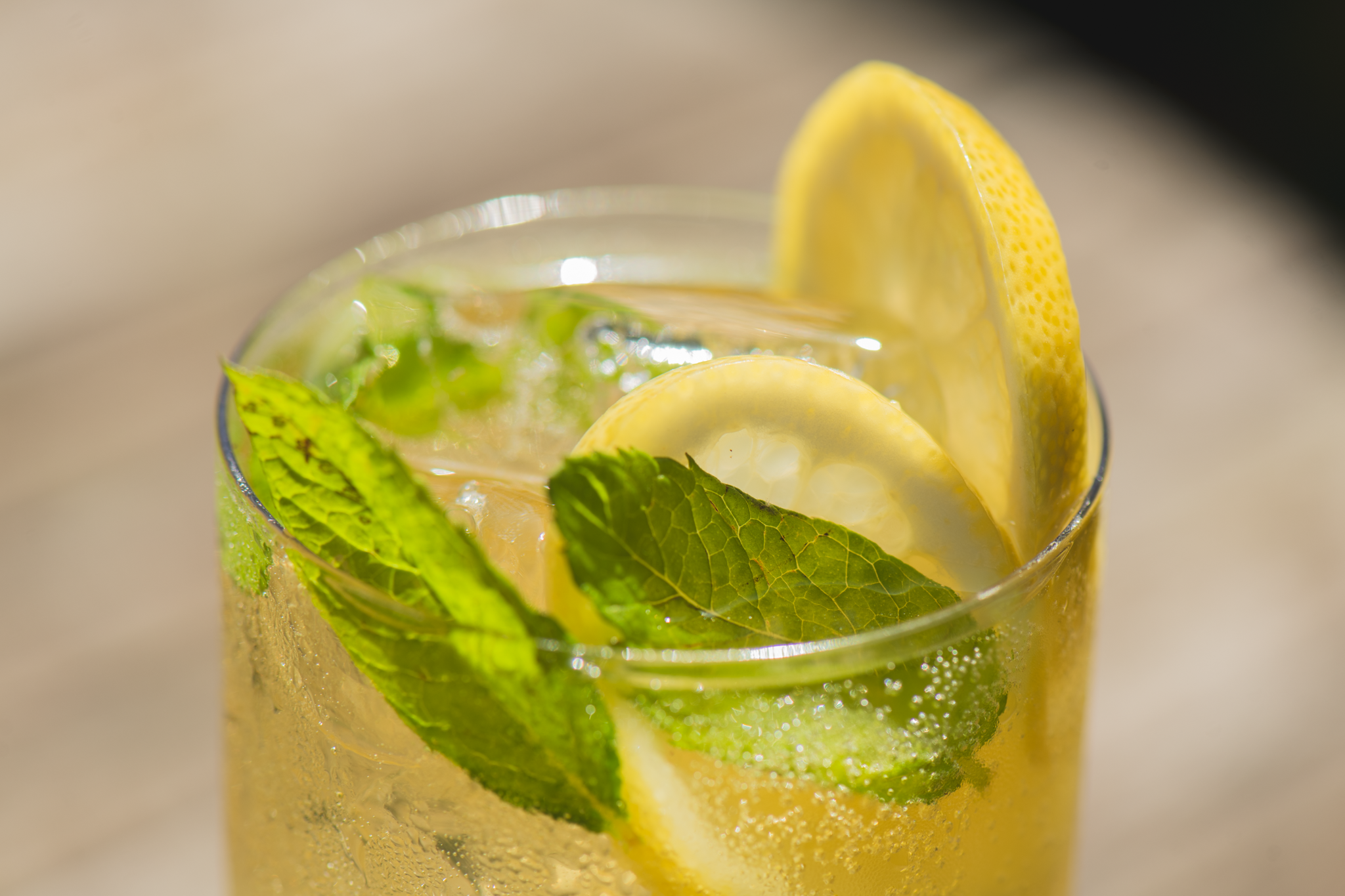
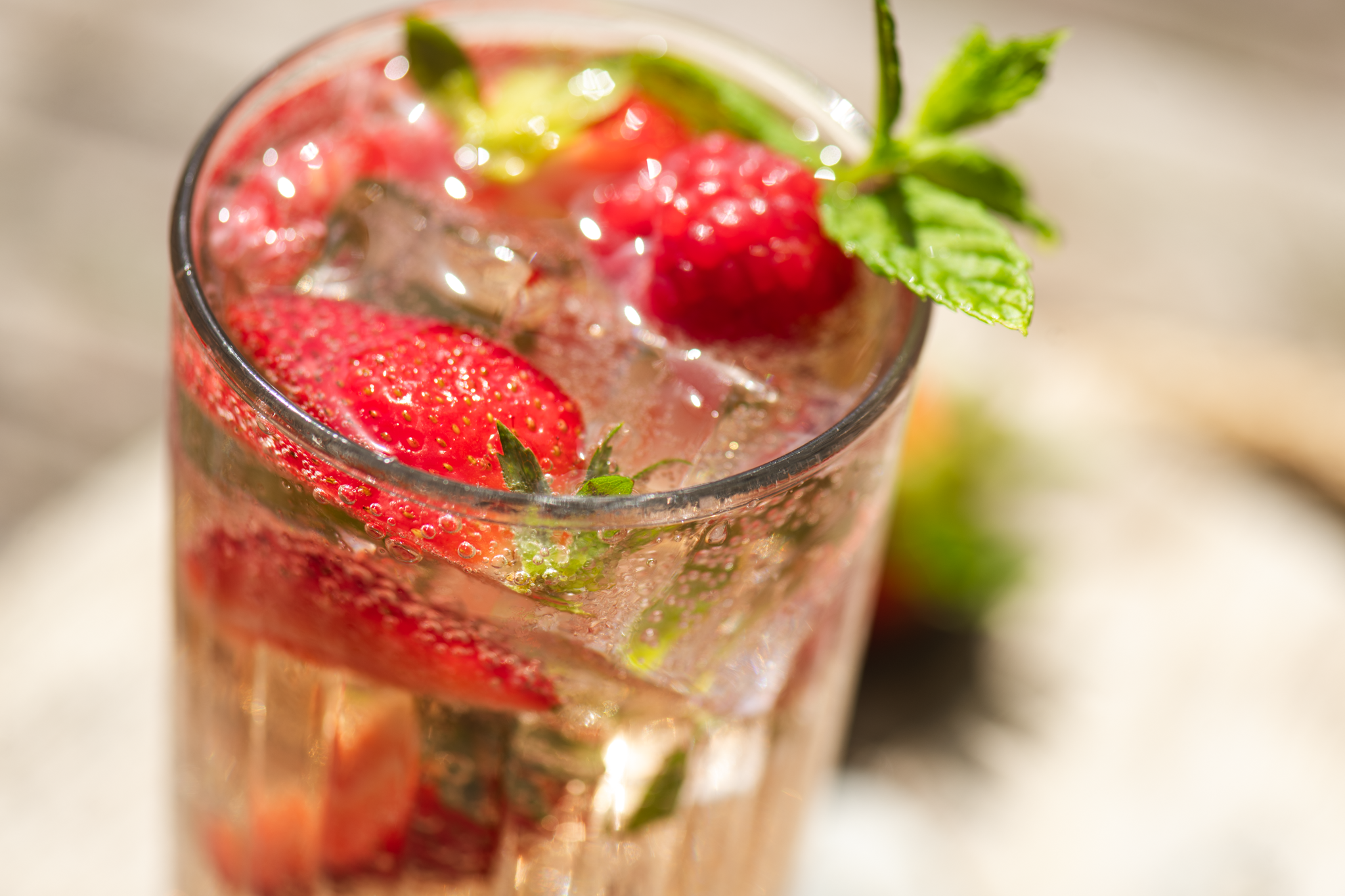
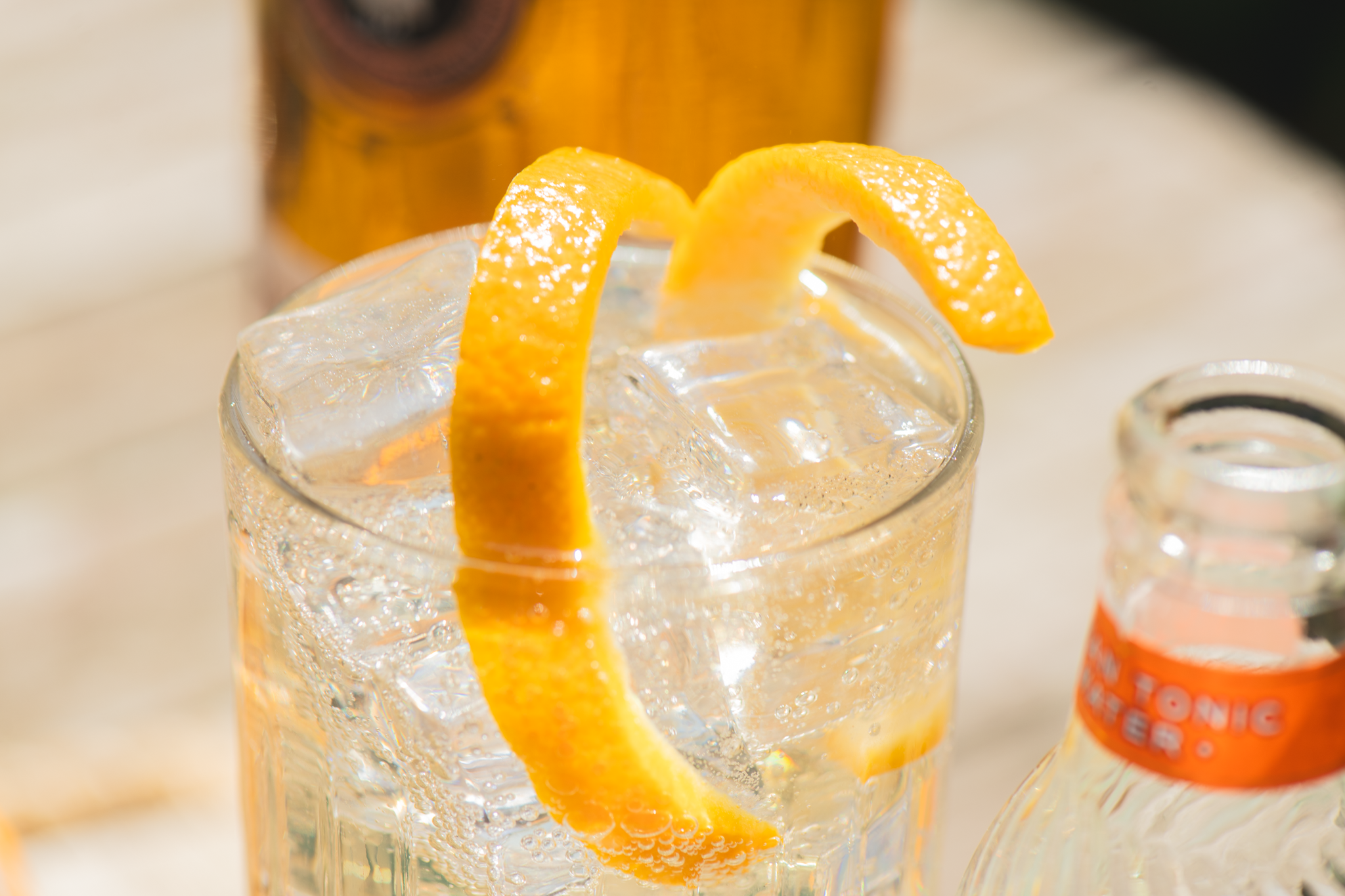
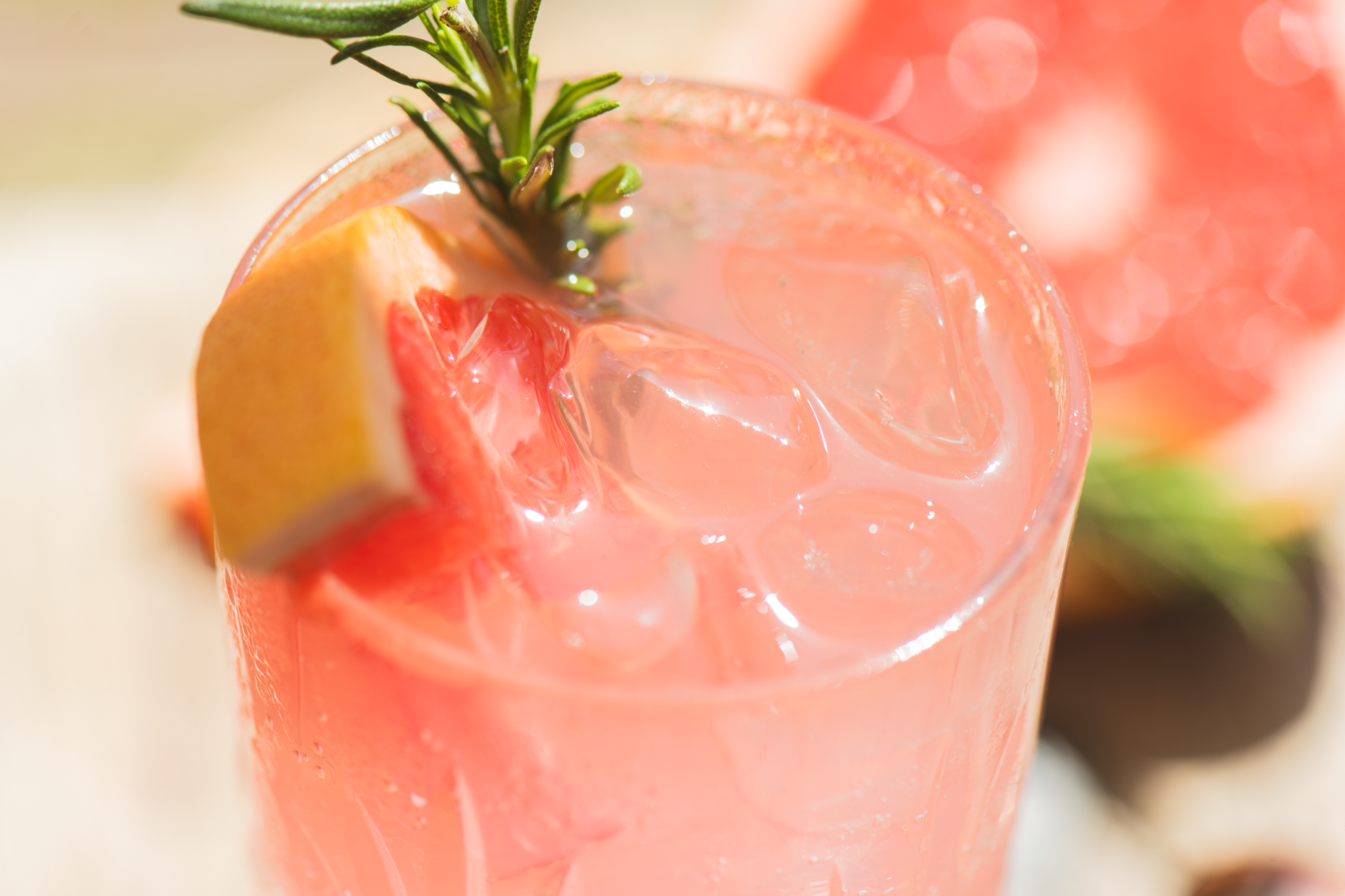
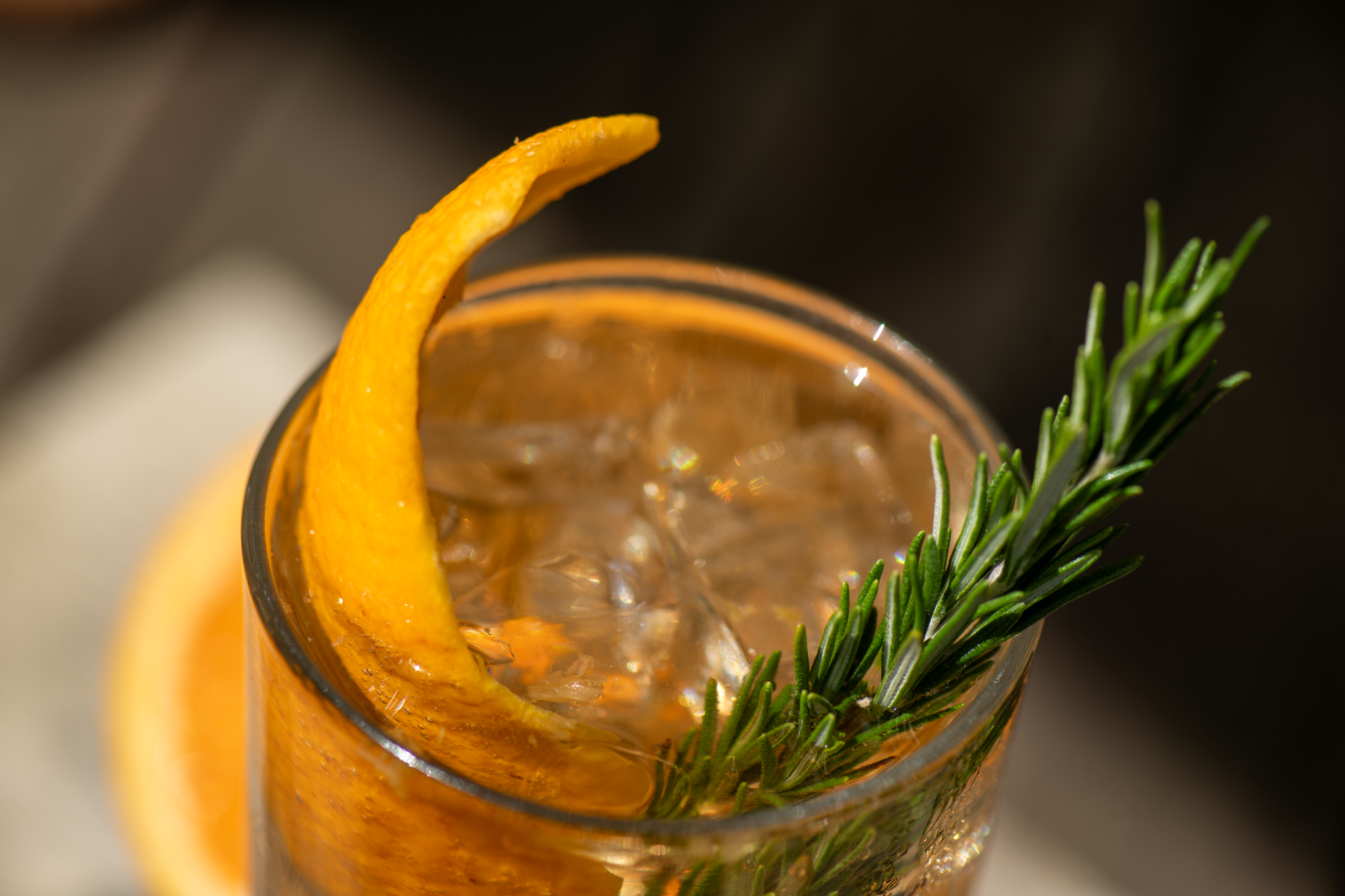
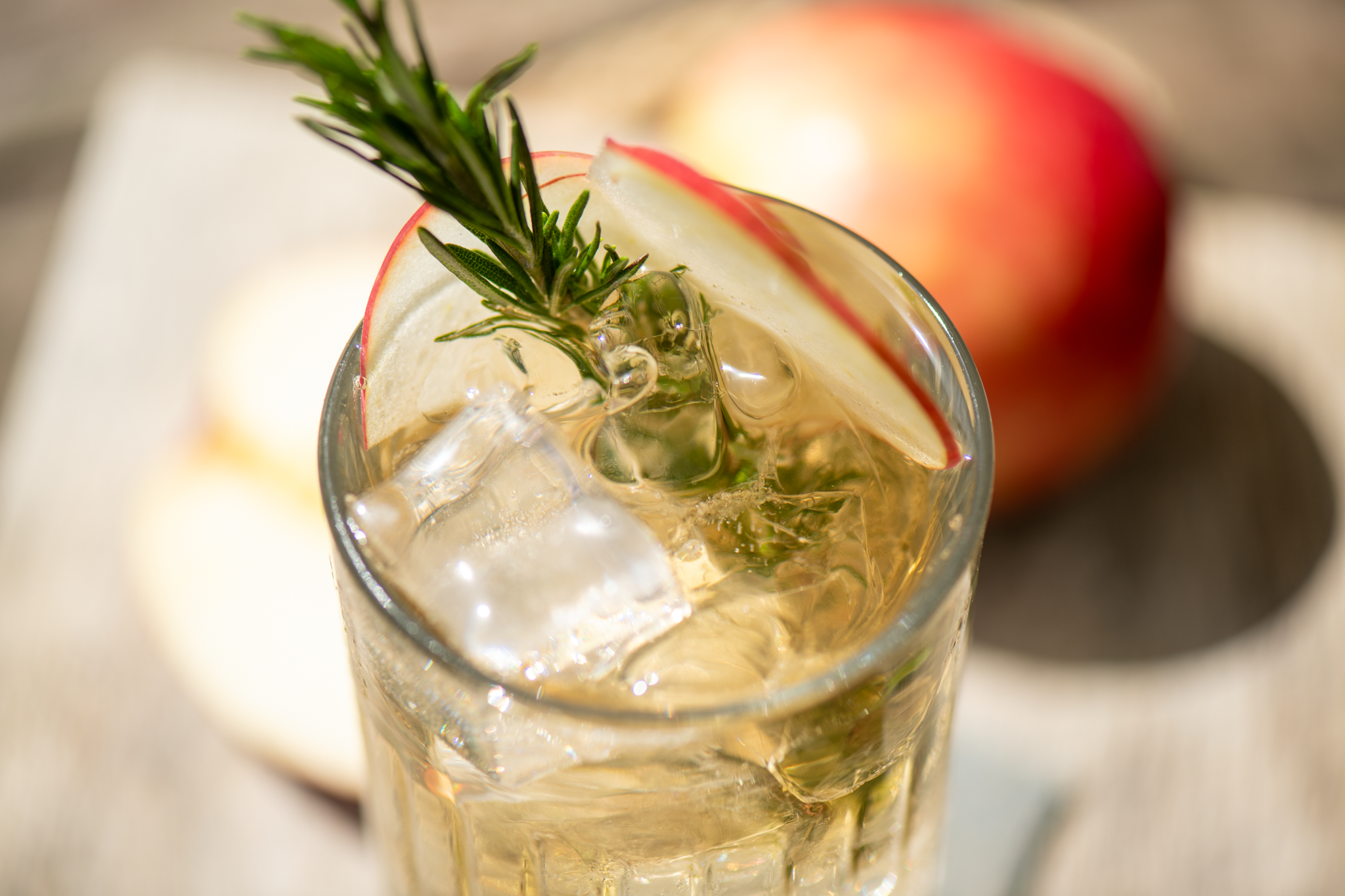
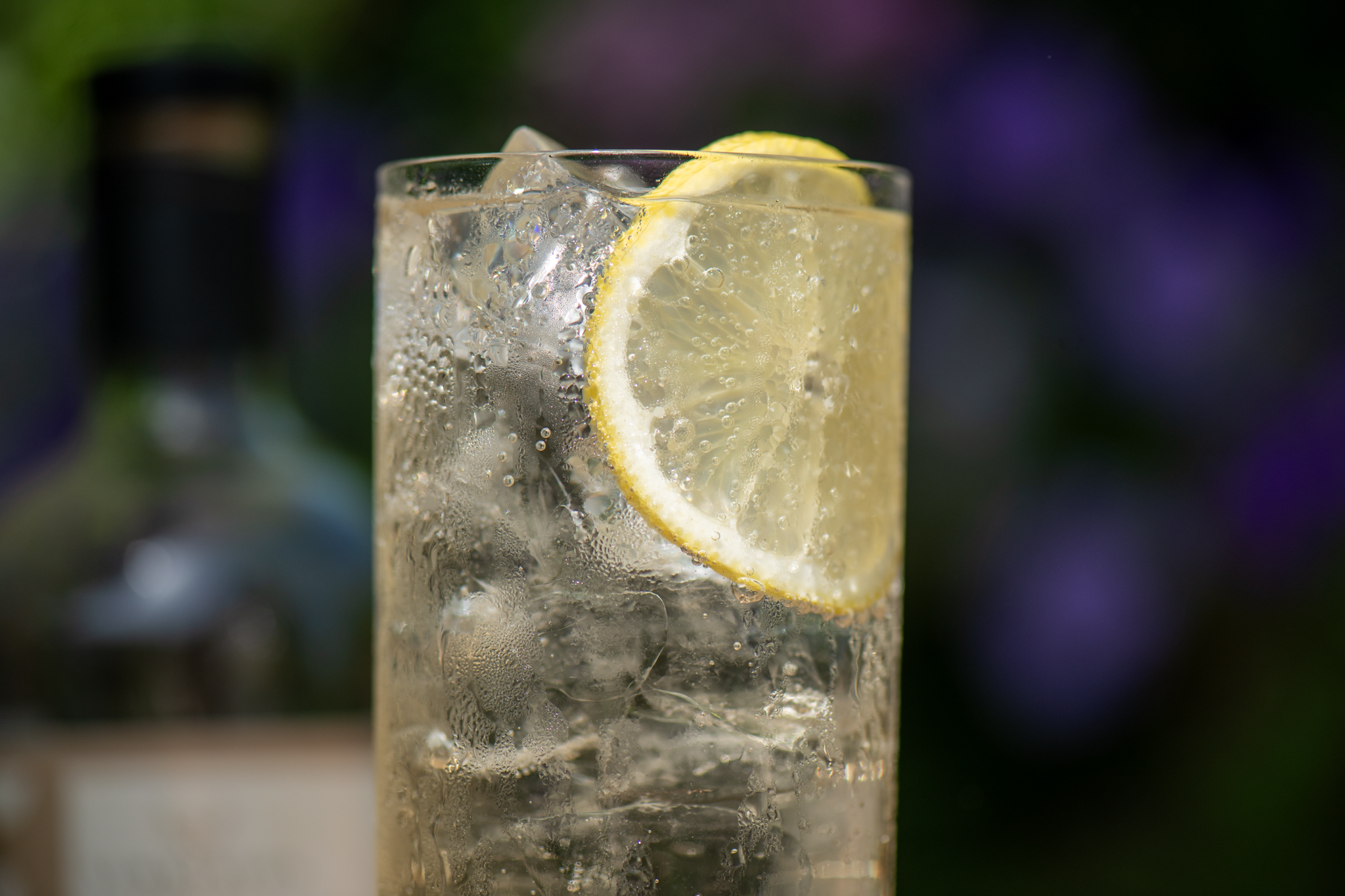
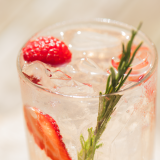
A Whisky Highball at its most basic is just whisky with soda or sparkling water and ice. Should you wish to go further, this whisky lends itself to a little apple juice being added to the mix, and if you are entertaining, top with a sprig of rosemary. Most importantly, you enjoy your whisky how you choose, and preferably shared.
(Those who opted for the second Club Bottle in December will be aware that Knockdhu also produced peated spirit, which they do for six weeks at the end of each calendar year, using Aberdeenshire peat. Aberdeenshire peat offers gentler, resinous, smoky aromas compared to the stronger, medicinal notes of west coast peat, thus complementing the honeyed notes in their spirit).