



































Exploring the Sherry Triangle: Understanding the Casks that Shape Whisky
-
Tom Helme / 1 year
- 31st August 2025
- 0
- 8 min read
Exploring the Sherry Triangle: Understanding the Casks that Shape Whisky
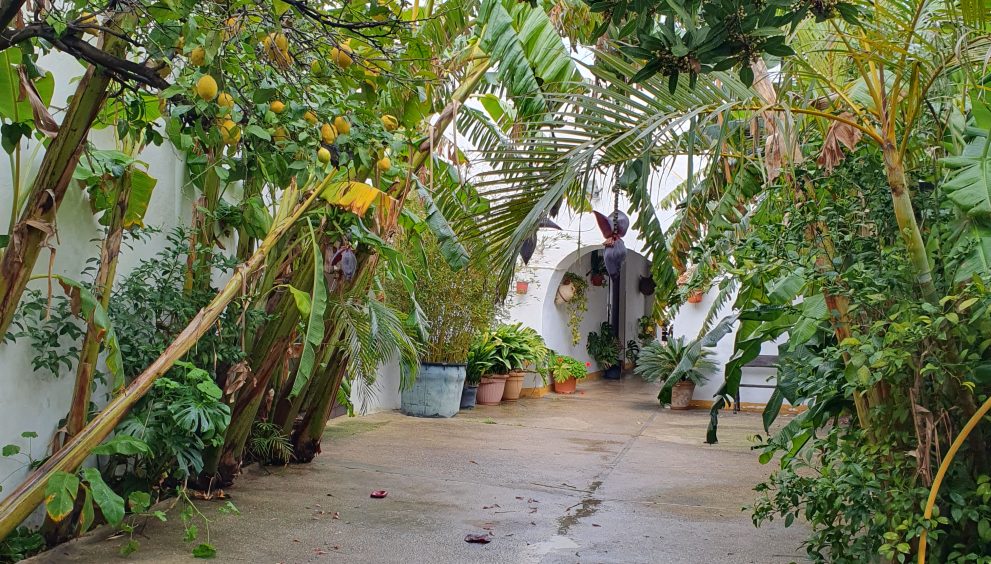
When it comes to understanding whisky maturation, there are few journeys more important than visiting the Sherry Triangle of southern Spain. This sun-drenched corner of Andalucía, cooled by Atlantic breezes, has shaped the flavour of sherried whiskies for centuries. Anchored by the towns of Jerez de la Frontera, Sanlúcar de Barrameda, and El Puerto de Santa María, this region is the heartland of one of the world’s most distinctive wines — sherry.
The Terroir of Sherry
The Sherry Triangle’s unique winemaking pedigree is rooted in its terroir. The brilliant white albariza soil, rich in chalk, retains precious winter rains to sustain vines through searing summers. The region’s climate is equally critical: the cool, humid poniente winds and the hot, dry levante shape the development of the flor yeast that defines sherry styles.
Arrival in Jerez
I began my journey by train from Sevilla, a city brimming with food and culture — though surprisingly, Rioja and Ribera del Duero wines were more prominent than local sherry. In Jerez de la Frontera, however, sherry’s presence is everywhere. With a history stretching back to the Phoenicians, through Moorish Sherish, Roman Ceret, and Christian reconquest, Jerez is a true cultural melting pot. The name “sherry” itself derives from the Moorish Sherish.
In Jerez, I experienced sherry the way locals do: in tabancos, traditional taverns once banned under Franco but recently revived. Among the crowds, glass in hand, I explored the spectrum — fino, manzanilla, amontillado, oloroso, palo cortado, and PX. My personal favourite? A nutty, amber-hued Amontillado, perfect chilled on a warm day.
Styles of Sherry
- Fino — Pale, dry, delicate, aged under flor. Best chilled as an aperitif.
- Manzanilla — A fino made only in Sanlúcar, with a salty, maritime tang.
- Amontillado — Begins as a fino, then exposed to oxygen for nutty depth.
- Oloroso — Oxidatively aged from the start; rich, full-bodied, walnut and spice.
- Palo Cortado — Rare style between amontillado finesse and oloroso power.
- Pedro Ximénez (PX) — From sun-dried grapes, intensely sweet, fig-like, ideal for desserts.
Onward to Sanlúcar de Barrameda
From Jerez, I travelled by road to Sanlúcar de Barrameda, a town defined by its maritime setting on the Guadalquivir River. Once a departure point for Magellan’s circumnavigation, Sanlúcar is today synonymous with manzanilla, a sherry style that owes its crisp salinity to the coastal humidity.
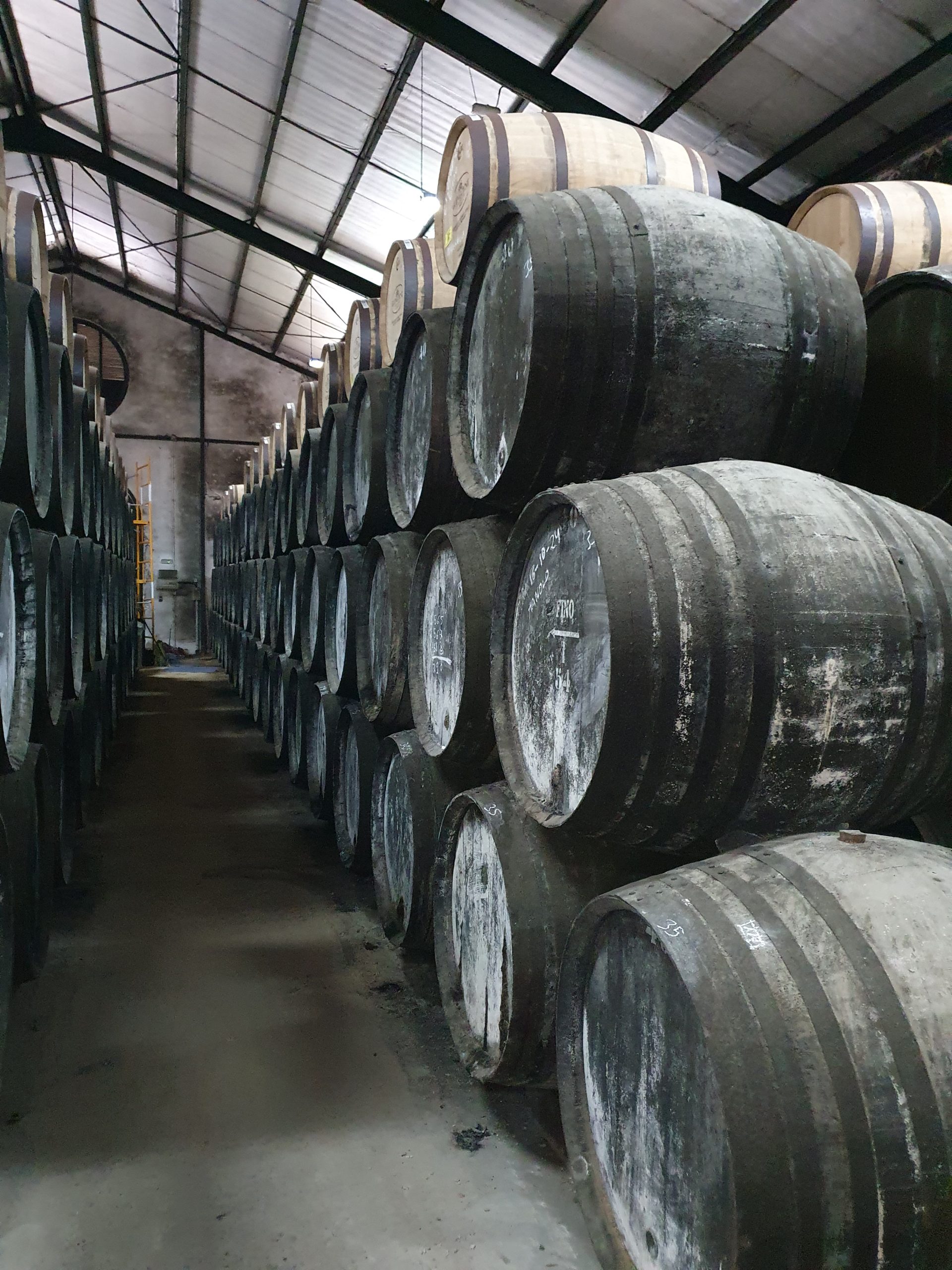
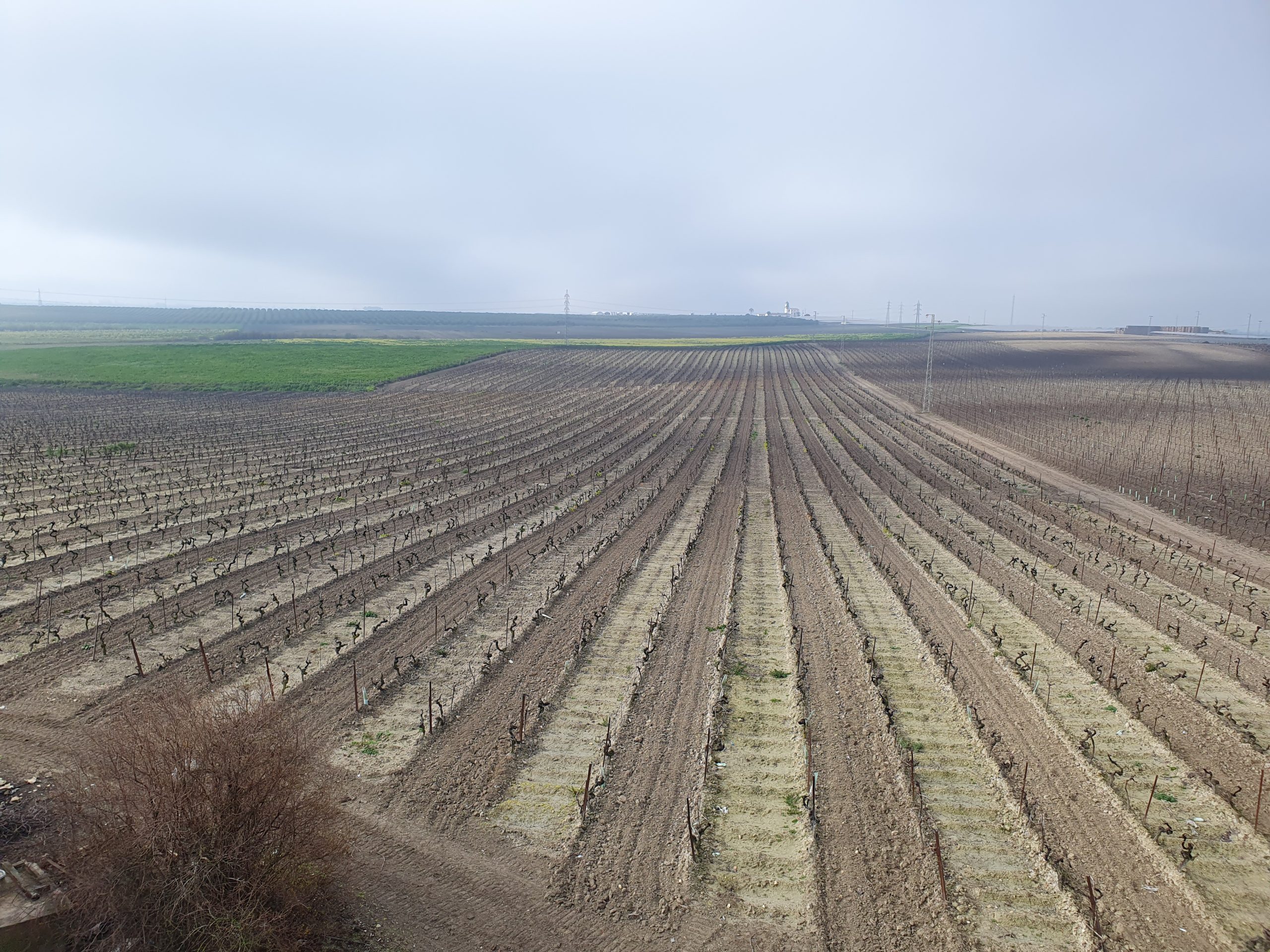
I explored a number of bodegas here, from négociants who buy and age wine to heritage estates like Bodegas Barón, founded in 1631. At Barón, I tasted through their history, including a remarkable family cask Amontillado over 80 years old. A trip to the vineyards revealed the start of the process, even with the vines bare in winter. On the return, I was shown vast warehouses filled with casks — not for drinking sherry, but seasoning casks for whisky.
The Role of Seasoned Casks
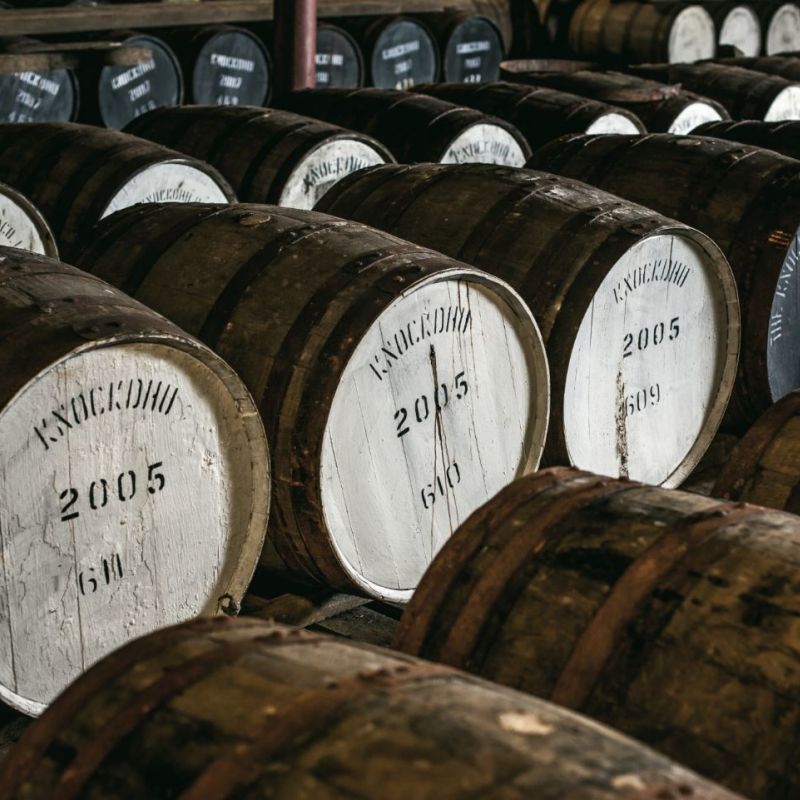
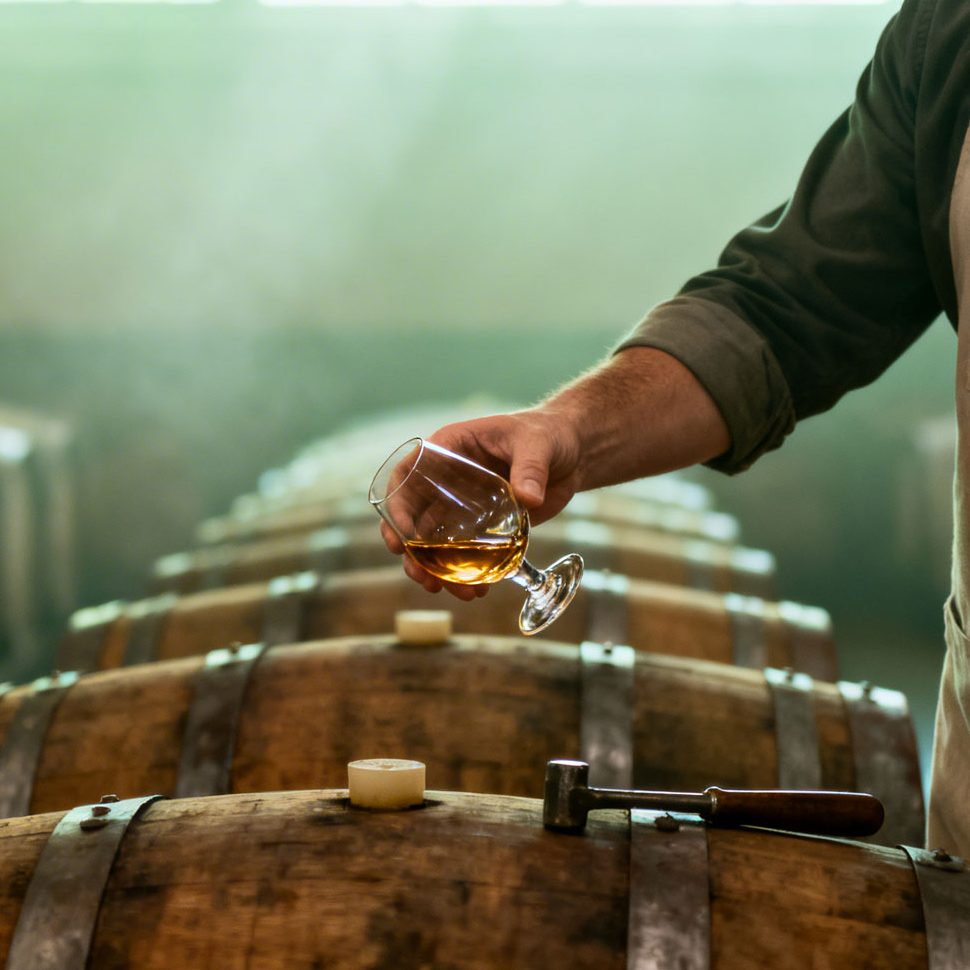
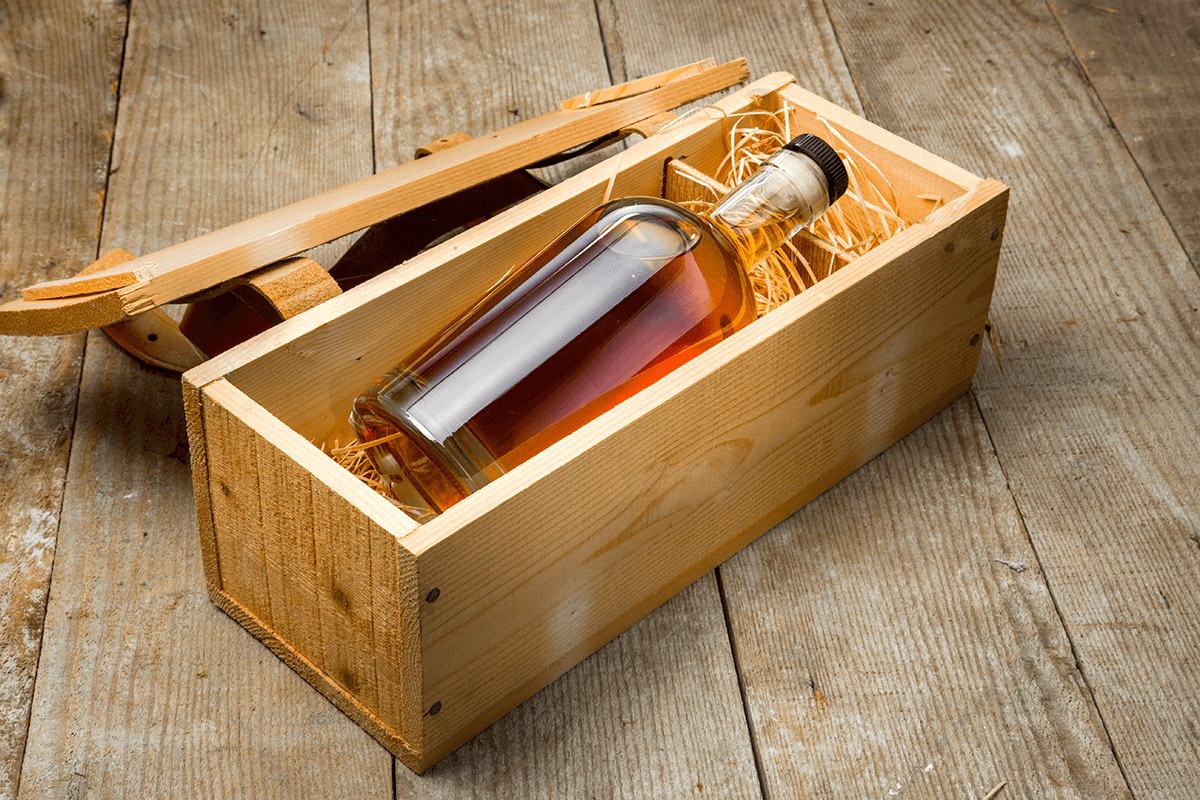
With sherry consumption in decline, but whisky demand booming, much of the sherry made today never reaches a bottle. Instead, it seasons new oak casks destined for whisky maturation. Traditional bodega casks provide consistent, nuanced flavours, while modern seasoned casks offer a bolder, fruitier impact. Together, they’ve created two distinct styles of sherried whisky. Whisky lovers may chase “sherry bombs” from bodega casks, but seasoned casks have ensured supply keeps pace with demand.
Bodega Casks vs. Seasoned Casks: What Whisky Lovers Should Know
| Traditional Bodega Casks | Modern Seasoned Casks |
|---|---|
| Used for decades in sherry production, part of a live solera system. | New oak casks filled with sherry specifically to prepare them for whisky maturation. |
| Impart complex, subtle flavours from layers of sherry absorbed over years. | Give bold, fruit-forward flavours but less nuanced than traditional casks. |
| Highly prized by distillers for creating “sherry bomb” whiskies. | Ensure reliable supply for global whisky demand, even as sherry drinking declines. |
| Limited availability — usually from long-established bodegas. | Widely available, created in large seasoning warehouses near Jerez and Sanlúcar. |
In short: bodega casks bring heritage and depth, while seasoned casks bring accessibility and intensity. Both are now central to the character of modern whisky.
Reflections
This trip was about learning, not sourcing. In Jerez, I could soak up the heritage; in Sanlúcar, I gained a glimpse into both tradition and modernity. Above all, I discovered sherry’s incredible diversity and fell for it completely. Once dismissed as “gran’s drink,” sherry is anything but. A bottle of Amontillado will now always have a place in my cabinet. And should we one day feature sherry in a Summerton Wine Experience, I now feel much better prepared to do it justice. Sláinte — or perhaps this time, ¡Salud!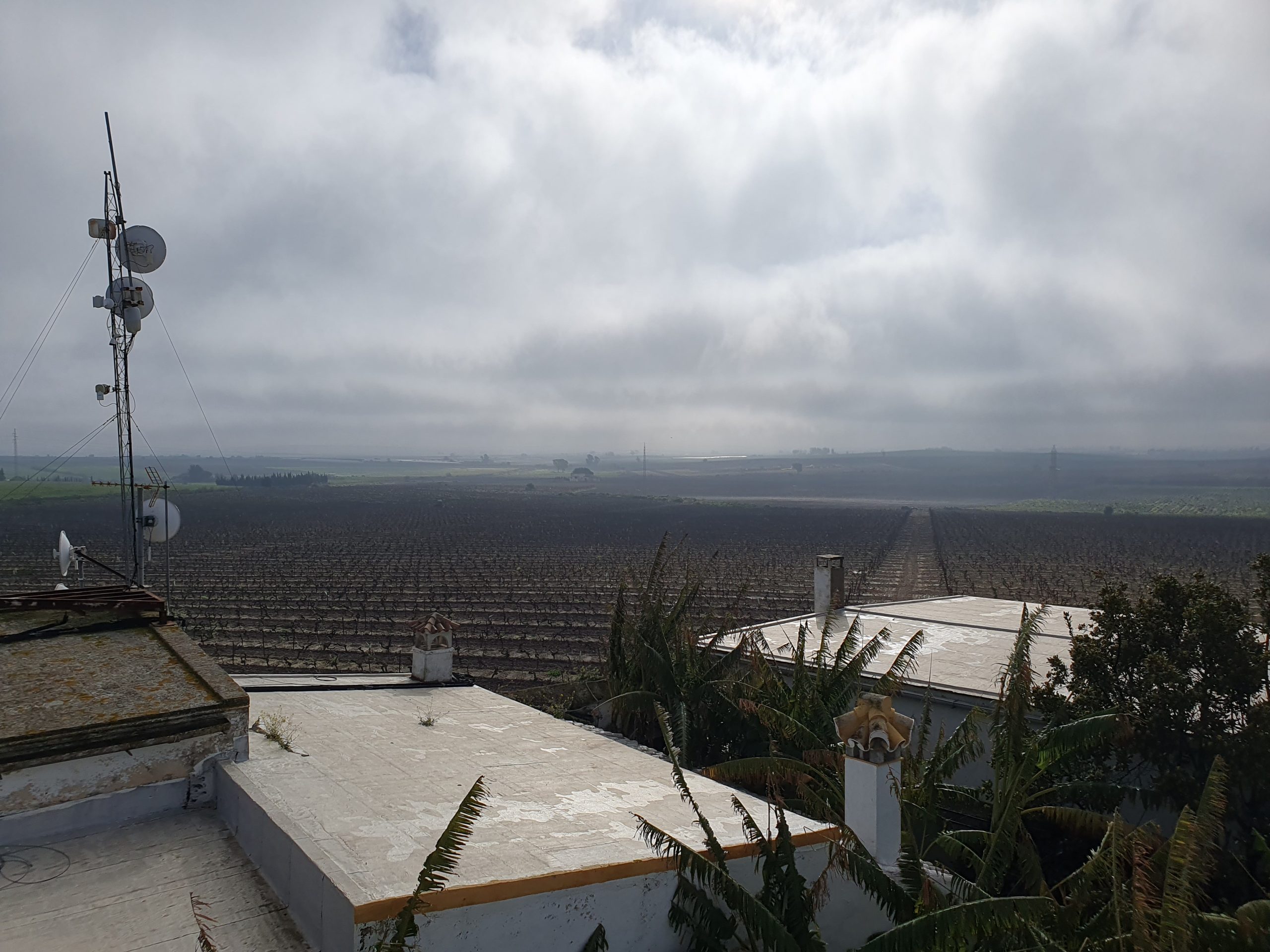
Ideas for a 5 Day Sherry Triangle Road Trip
The Sherry Triangle is more than just a wine region; it’s the cradle of the casks that shape some of the world’s greatest whiskies. This 5-day journey blends history, culture, and flavour — from the taverns of Jerez to the coastal bodegas of Sanlúcar — while uncovering the stories behind the casks that continue to influence Scotch maturation today.
Day 1: Arrival in Sevilla
Fly from Great Britain into Sevilla, the cultural capital of Andalucía. The city is alive with tapas bars, flamenco rhythms, and historic landmarks. Spend your first evening soaking up its unique atmosphere.
- What to See: Wander the Santa Cruz quarter, admire the Seville Cathedral (the largest Gothic cathedral in the world), and climb the Giralda Tower for sunset views.
- What to Eat: Start your sherry education alongside salmorejo, jamón ibérico, or grilled prawns in the Triana tapas district.
- Where to Stay: Hotel Doña María (€100/night) — rooftop terrace with cathedral views.
- Evening Highlight: A flamenco show at Casa de la Memoria, paired with a glass of fino.
Day 2: Sevilla → Jerez de la Frontera
Head south to Jerez de la Frontera (~1 hr by train or car), the historic heart of sherry. With Phoenician, Roman, Moorish, and Christian layers, Jerez offers both cultural depth and sherry immersion.
- Morning: Visit the Alcázar of Jerez, an 11th-century Moorish fortress with gardens and a camera obscura offering panoramic views.
- Lunch: Stop at Bar Juanito for classic artichokes in sherry sauce.
- Afternoon: Experience the tabancos — old taverns where locals sip sherry while enjoying flamenco. Try a flight from dry fino to rich oloroso.
- Dinner: La Carbona — contemporary dishes cooked with sherry wines (e.g., oxtail braised in oloroso).
- Where to Stay: Hotel Casa Palacio María Luisa (€120/night) — boutique luxury in a historic palace.
Day 3: Jerez Bodega Tours
A full day to dive deeper into sherry production. This is where whisky’s relationship with casks becomes crystal clear.
- Morning: Tour González Byass (Tío Pepe) — learn about the solera system, see vast cathedral-like bodegas, and taste fino straight from the cask.
- Afternoon: Head to Bodegas Lustau, famed for its range of boutique soleras. Their East India Solera is a masterclass in complexity.
- Cultural Stop: Visit the Royal Andalusian School of Equestrian Art to see traditional horse displays, a nod to Jerez’s equestrian heritage.
- Dinner: Restaurante Albores — try red tuna tartare with a chilled manzanilla.
- Where to Stay: Remain in Jerez for a second night.
Day 4: Jerez → Sanlúcar de Barrameda
Drive (~30 minutes) to Sanlúcar de Barrameda, perched at the mouth of the Guadalquivir River. This coastal town is famed for its manzanilla and laid-back rhythm.
- Morning: Tour Bodegas Barón (est. 1631). Highlights include tasting an 80-year-old Amontillado from a family cask and walking through vineyards overlooking the Atlantic breeze.
- Afternoon: Visit modern seasoning warehouses — vast halls where virgin oak casks are filled with sherry destined not for drinking, but to prepare them for whisky maturation. A striking reminder of whisky’s reliance on this region.
- Evening: Dinner at a chiringuito (beachside shack) on Bajo de Guía beach. Pair fried pescaíto frito with a glass of crisp manzanilla as the sun sets.
- Cultural Highlight: If visiting in August, witness Sanlúcar’s famous horse races along the beach — a spectacle dating back to 1845.
- Where to Stay: Hotel Barrameda (€80/night) — comfortable, central, and steps from bodegas.
Day 5: Sanlúcar → Sevilla (Return)
Spend your final morning strolling Sanlúcar’s old town, with its noble palaces and quiet plazas, before returning to Sevilla (~1 hr 20 mins). If time allows, detour through Cádiz, one of Europe’s oldest cities, for seafood tapas and sea views.
- Farewell Stop: Cádiz’s Mercado Central for oysters and manzanilla.
- Evening: Fly home from Sevilla Airport.
Reflections
This road trip offered a deeper appreciation of sherry’s diversity and its influence on whisky. From bodega-aged casks creating subtle “sherry bombs” to modern seasoned casks ensuring global supply, the region bridges tradition and innovation. For me, the discovery of Amontillado was a highlight — a style I’ll now always keep chilled in my cabinet. And perhaps one day, a Summerton Wine Experience will showcase the full character of sherry to our members.
- Road-trip
- Wine Regions