











































Where there’s smoke, there’s fire… or is there?

The Difference Between ‘Peat’ and ‘Smoke’ Flavour Profiles in Whisky
When it comes to whisky, especially in the context of Scotch, the terms ‘peat’ and ‘smoke’ are often used interchangeably, but they represent distinct flavour profiles. Both are commonly found in whiskies from Scotland, particularly those from regions like Islay, but they develop through different processes and offer different sensory experiences. Let’s delve into the nuances of these two flavour characteristics and clarify how peat and smoke contribute to the complexity of the spirit.

Peat: The Earthy Backbone of Whisky
Peat is an organic material formed over thousands of years in waterlogged environments, where plant matter slowly decays in the absence of oxygen. It is typically harvested from bogs and moors, where its high carbon content and unique chemical composition give it a distinct flavour profile. In whisky production, peat is most often used during the malting process, where the barley is dried over a peat fire. As the peat burns, it releases aromatic compounds that infuse the barley with earthy, vegetal, and smoky flavours.
The specific flavour profile of peat can vary significantly depending on the region it is sourced from. Peat from different areas carries unique characteristics, influenced by the local vegetation, soil, and climate. For instance, the peat from Islay, which is rich in seaweed and other coastal plant life, often imparts a briny, medicinal, and iodine-like quality to whisky. Peat from inland areas, such as the Highlands or the mainland, tends to be earthier and more herbal, with hints of damp wood or moss. Regional variations in peat are crucial in shaping the overall character of the whisky.

Regional Profiles of Peat
Islay Peat: Whiskies from Islay, such as Ardbeg, Laphroaig, and Lagavulin, are known for their intense peaty flavours. The region’s peat is often rich in seaweed and other maritime plants, which give Islay whiskies their distinctive saltiness and iodine notes. This makes Islay’s peated whiskies stand out with their strong, earthy punch, often combined with a medicinal quality that recalls antiseptic or iodine.
Skye Peat (Talisker): While Talisker from the Isle of Skye is not as overtly peated as its Islay counterparts, it still exhibits a notable level of peat influence. The peat from Skye has a different character, offering a slightly peppery, smoky edge rather than the heavy, medicinal flavours typical of Islay. It also tends to bring a touch of maritime salinity, making it less harsh but still unmistakably peated.
Highland Peat: Peat from the Highlands is generally more floral, herbaceous, and woody. It lacks the seaweed-driven qualities of Islay peat and is typically softer and less briny. Whiskies from distilleries like Dalmore or Glenlivet may show hints of peat, but they do not carry the heavy peat smoke that defines many Islay malts.
Lowland Peat: While the Lowlands are not traditionally known for peated whisky, there are exceptions like the Auchentoshan Distillery. Peat from this region tends to be subtler, with an emphasis on grassiness or dried hay notes, offering a lighter and less assertive expression than that found in the more northern regions.
Smoke: A Subtler, Aromatic Influence
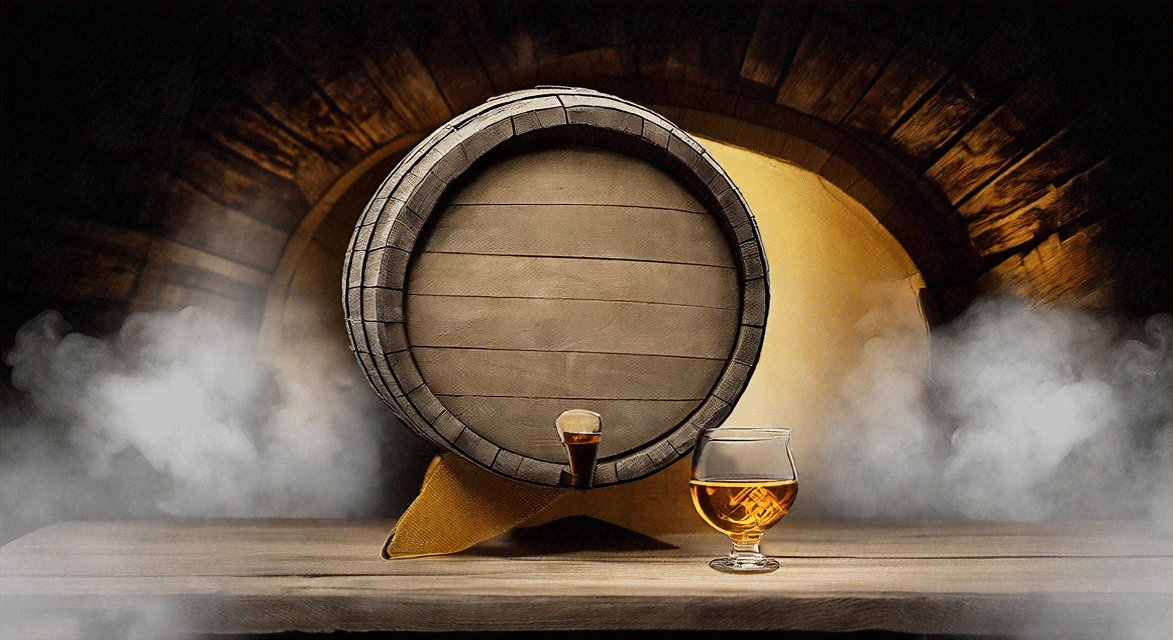
Smoke in whisky tends to come from the combustion of peat, wood, or other organic materials. While peat contributes an earthy, vegetal character, smoke adds lighter, aromatic notes that can range from delicate ash to charred wood. Smoke is generally less intense than peat and can provide a nuanced, almost ethereal layer to the whisky’s overall profile.
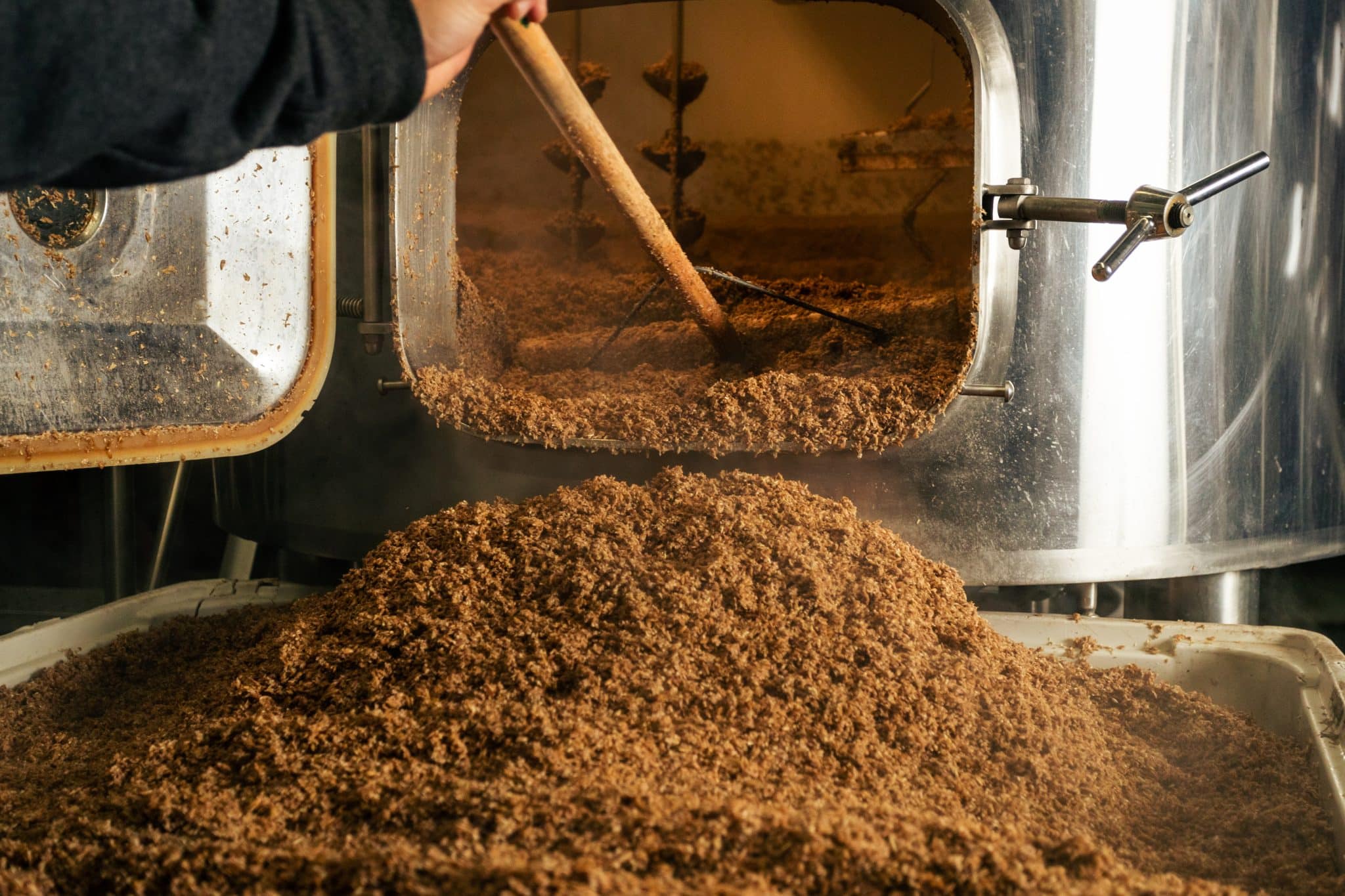
Interestingly, smoke does not always originate from peat. Many distilleries use other materials to create smoky whiskies, such as wood or even other organic materials during the drying or malting process. These smoky whiskies are often more refined, offering a lighter, more aromatic smokiness that complements other whisky characteristics like sweetness, spice, and fruitiness.
Examples of Smoky Whiskies Without Peat
Glenfiddich 14 Year Old Bourbon Barrel Reserve (Speyside): While Speyside is typically known for fruity and floral whiskies, this expression from Glenfiddich stands out for its gentle smokiness. The smoke here comes not from peat but from the lightly charred oak barrels used for maturation. The result is a more delicate, subtle smokiness that doesn’t overpower the whisky’s core fruity and vanilla flavours.
Bimber Distillery (London): As a newer player in the UK whisky scene, Bimber Distillery has experimented with different maturation techniques. One of their expressions, Bimber Smoked Oak, uses lightly smoked American oak barrels, creating a whisky that is gently smoky without the heavy peat influence typical of Scotch. This showcases how wood can contribute a refined smokiness, offering depth without the intensity of peat.
The English Whisky Co. – Chapter 18: Peated (Norfolk): Though English whisky is often lighter and less associated with peat, The English Whisky Co.’s Chapter 18: Peated is a subtle example of smoke in English whisky. The peat here is more restrained, offering a light smokiness with herbal and lightly charred wood notes, showing how different types of peat can impart varying levels of intensity.

Other Materials Used to Affect the Smoky Whisky Profile
Aside from peat and wood, several other materials can be used in whisky production to affect its smoky profile. Some distilleries experiment with alternative fuel sources to impart a unique smokiness that departs from the traditional peat-driven expressions, as peat is just one traditional fuel source historically used in whisky production.
Heather and Gorse: Some distilleries, particularly those in the Highlands, have experimented with burning heather or gorse (a type of shrub) in place of peat. These plants burn with a sweet, floral smoke that imparts a more aromatic and floral smokiness to the whisky, in contrast to the earthy, medicinal qualities of peat. A notable example is GlenDronach, where heather smoke is used to influence the whisky’s profile.
Briquettes and Different Woods: Some modern distilleries experiment with smoking barley using different woods, such as cherry, oak, or even mesquite. These types of wood can lend unique smoky flavours to the whisky. For example, a whisky smoked with cherry wood may carry a fruity, sweet-smoky quality, while oak can add a more refined, vanilla-scented smokiness.
Peat vs Smoke: Key Differences
While both peat and smoke are often linked with a sense of ‘burnt’ or ‘charred’, the key difference lies in their origins and their impact on the whisky’s flavour profile.
- Source: Peat is an organic material formed over thousands of years in wetland environments, whereas smoke is the by-product of burning peat, wood, or other organic materials. Smoke can vary depending on what is being burned, with different woods and plants offering unique aromatic profiles.
- Flavour Profile: Peat generally provides robust, earthy, and vegetal flavours, while smoke tends to add lighter, more ethereal notes of ash, char, or even grilled food. Peat is often more persistent on the palate, while smoke can be fleeting or more subtle.
- Intensity: Peat tends to dominate the flavour profile, often creating a heavy, full-bodied experience. Smoke, in contrast, is usually more nuanced and can add complexity without overwhelming the other flavours.
- Regional Differences: While peated whiskies are most famously associated with Islay, other regions such as Skye, the Highlands, and even parts of mainland Scotland have embraced peat to varying degrees. Smoky whiskies, however, can be found across all regions, often coming from the influence of wood casks or other materials like herbs and gorse.
In Conclusion...
The distinction between ‘peat’ and ‘smoke’ in whisky is subtle but significant. Peat brings earthy, medicinal, and sometimes maritime notes, while smoke adds a lighter, aromatic layer of complexity. Whiskies from regions like Islay and Skye showcase the full force of peat, while newer expressions from distilleries like Bimber and The English Whisky Co. highlight the potential for smoke to be introduced in more delicate and creative ways.
Whether you gravitate toward the heavy, earthy punch of peat or the refined, fleeting qualities of smoke, there’s a whisky for every palate in this complex world. Exploring both peat and smoke in whisky is an invitation to discover the many ways these flavours can shape the character of the spirit, providing an endless spectrum of tastes to enjoy.
