



































The Unassuming Majesty of the Highball
From Speakeasy Whisper to Global Roar: How a Simple Serve Conquered the World of Whisky
🥃 Why The Highball Matters
The Highball demonstrates that whisky does not always need to be served neat to be appreciated. By carefully controlling dilution, temperature and carbonation, it creates a lighter, more refreshing drinking experience while still allowing the character of the whisky to shine through.
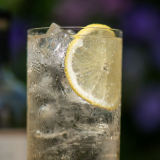
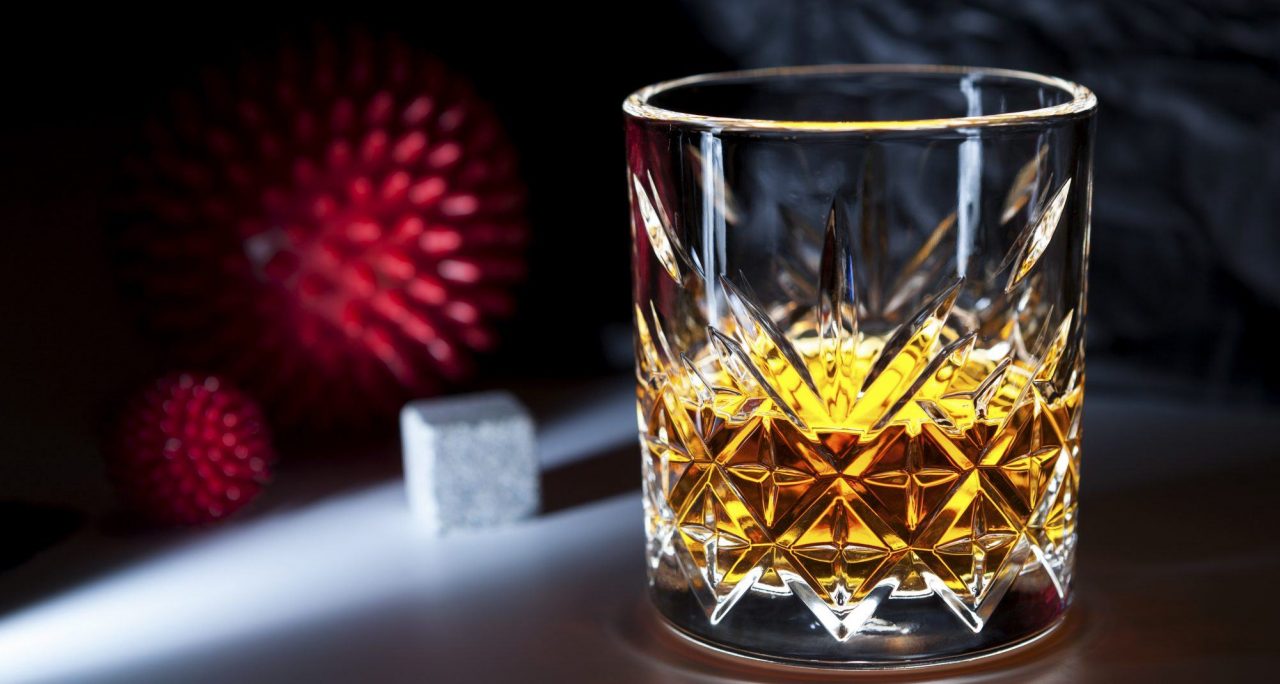
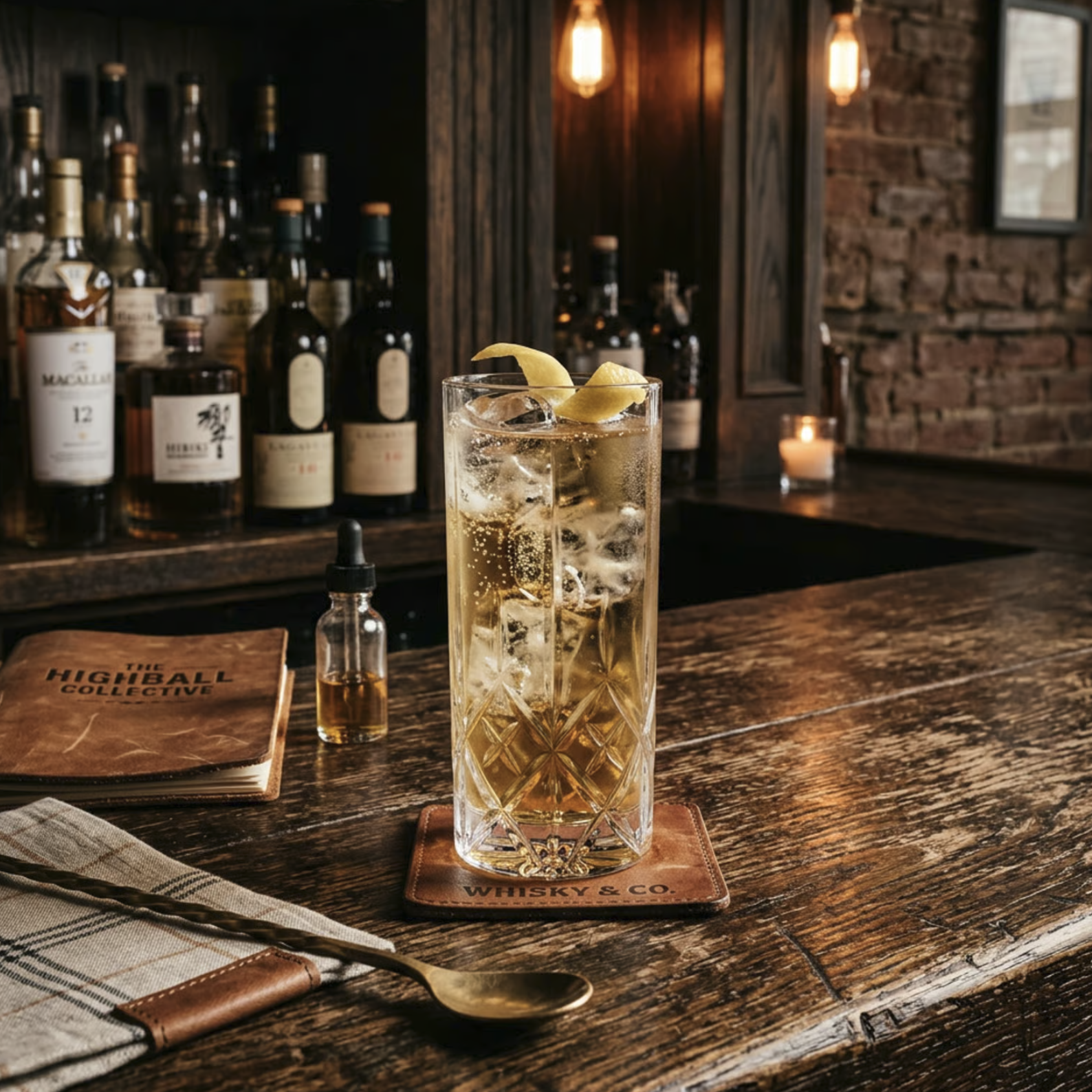
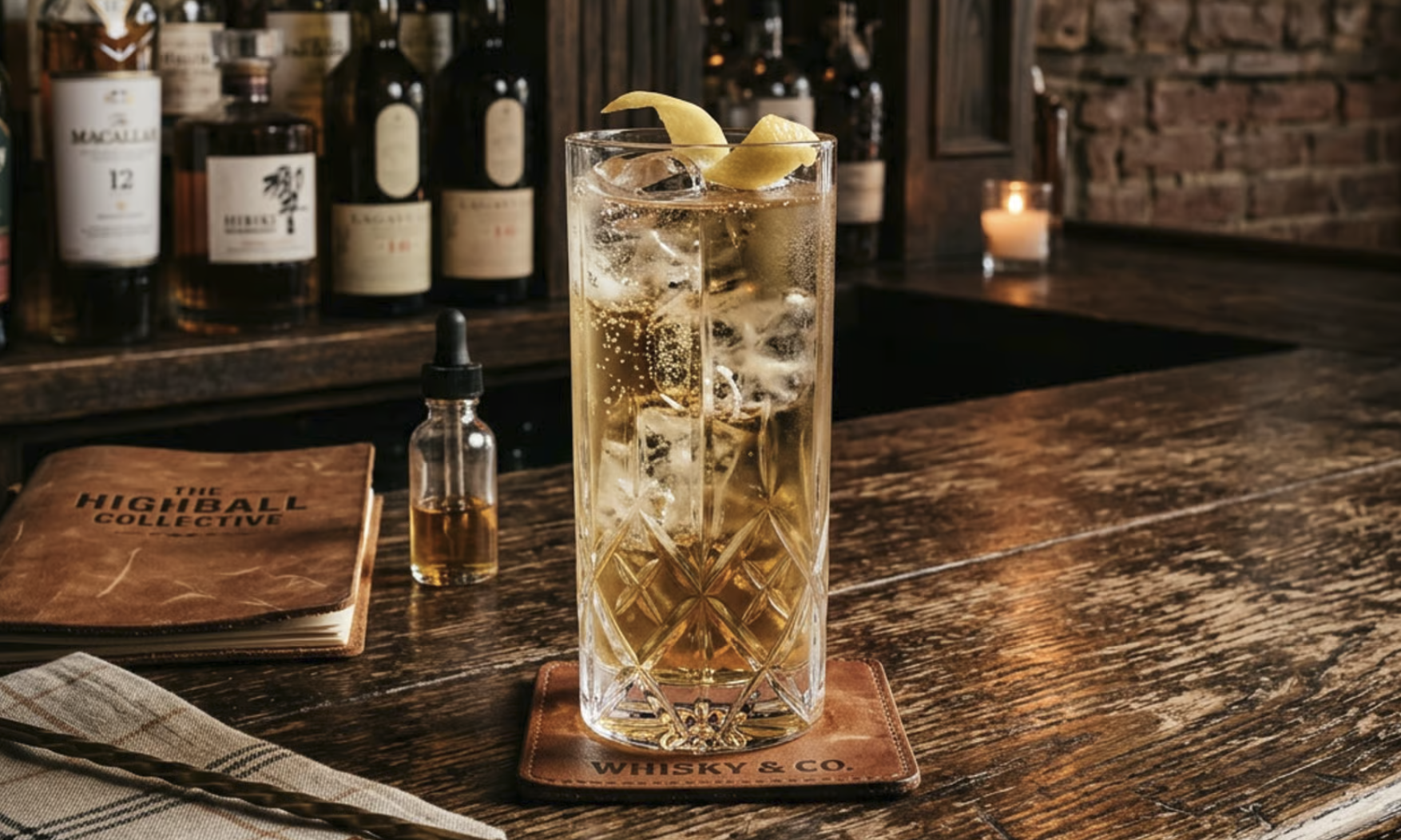
The clink of ice in a tall glass. The gentle hiss of soda. The amber glow of whisky catching the light. Few whisky serves are as instantly recognisable as the Highball, yet few are so frequently underestimated.
Imagine the quiet precision of a Tokyo izakaya, where every movement is deliberate and every ingredient carefully considered. Picture a bustling London bar where friends gather after work, Highballs in hand as conversation flows. Travel back further still to the hidden speakeasies of Prohibition-era America, where dilution, necessity and ingenuity combined to create something refreshingly different.
In every setting, the Highball proves itself to be far more than whisky topped with a mixer. It is a study in balance, simplicity and restraint. It demonstrates that sometimes the most sophisticated drinks are the ones that do the least.
Today, as whisky drinkers increasingly seek lighter serves, food-friendly pairings and lower-alcohol alternatives, the Highball is enjoying a well-deserved renaissance.
Key Takeaways
- Over 100 years of whisky history.
- A cornerstone of modern Japanese drinking culture.
- Lower ABV than most whisky serves.
- One of the most food-friendly ways to enjoy whisky.
- Simple to make, difficult to perfect.
- Works with almost every whisky style.
A Drink Through Time
The origins of the Highball remain delightfully uncertain. Some historians suggest the name derives from railway signalling, where a raised ball indicated that a train could proceed at speed. Others point towards the tall glasses traditionally used to serve the drink.
Whatever the truth, the Highball emerged during the late nineteenth century as carbonated water became increasingly accessible. Soda siphons and bottled sparkling water transformed drinking culture, allowing spirits to be lengthened and softened without sacrificing flavour.
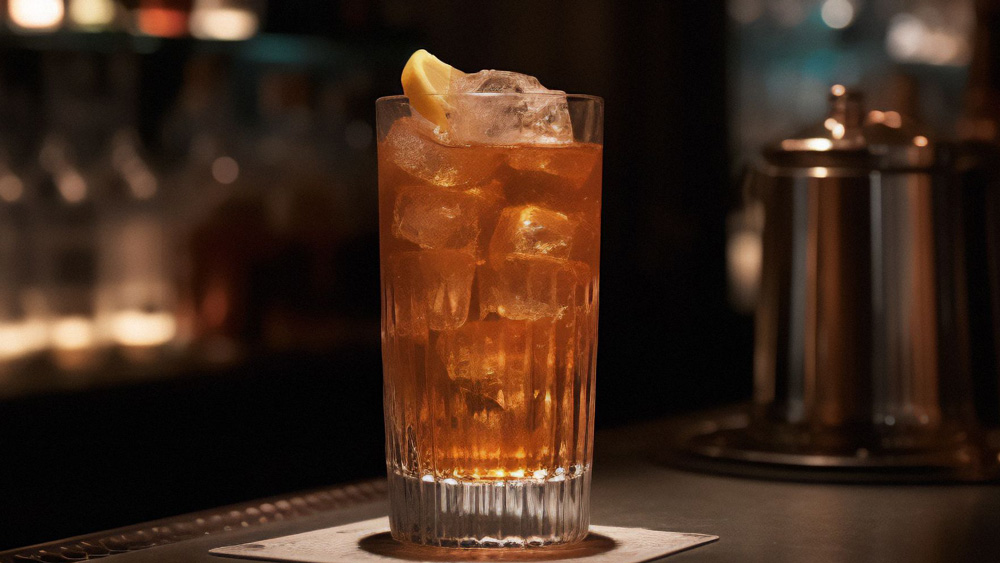
As the temperance movement gathered momentum, many drinkers began looking for lighter alternatives to neat spirits. Whisky combined with soda water provided exactly that. The result was refreshing, approachable and perfectly suited to social occasions.
Did You Know?
The modern Highball boom started in Japan long before most western whisky drinkers noticed it. Highball campaigns helped introduce an entirely new generation of drinkers to whisky and played a major role in the serve’s resurgence.
By the early twentieth century, the Highball had become firmly established in bars across America. It offered a long, cooling drink that could be enjoyed slowly and comfortably, making it particularly appealing during warmer months and lengthy social gatherings.
Its most significant cultural transformation, however, took place thousands of miles away.
In post-war Japan, whisky producers and bartenders embraced the Highball with remarkable enthusiasm. Whisky mixed with water and soda became an everyday accompaniment to food. What began as a practical way to stretch whisky supplies evolved into a national drinking tradition.
The Japanese approach elevated the Highball from simple mixed drink to cultural institution. Precision became paramount. Ice quality mattered. Glassware mattered. Temperature mattered. Every detail contributed to a final serve designed to enhance rather than dominate a meal.
Meanwhile, across America during the 1950s and 1960s, the Highball became synonymous with effortless sophistication. Bourbon and soda featured prominently in offices, country clubs and suburban homes, becoming one of the defining drinks of the era.
As cocktail culture became increasingly elaborate during the latter part of the twentieth century, the Highball temporarily faded into the background. Yet its simplicity proved to be its greatest strength. Today, the drink has returned to prominence, celebrated by bartenders and whisky enthusiasts alike for its versatility, elegance and refreshing character.
“The Highball succeeds because it does less, not more. Every ingredient has a purpose and every detail matters.”
East Meets West: Different Cultures, Different Highballs
While the Highball exists across the whisky-drinking world, its interpretation varies dramatically from one culture to another.
Nowhere is this more evident than in Japan, where the Highball has been elevated to an art form. Japanese bartenders approach the serve with extraordinary attention to detail. Large crystal-clear ice blocks minimise dilution. Soda is poured carefully down the side of the glass to preserve carbonation. Stirring is minimal and deliberate.
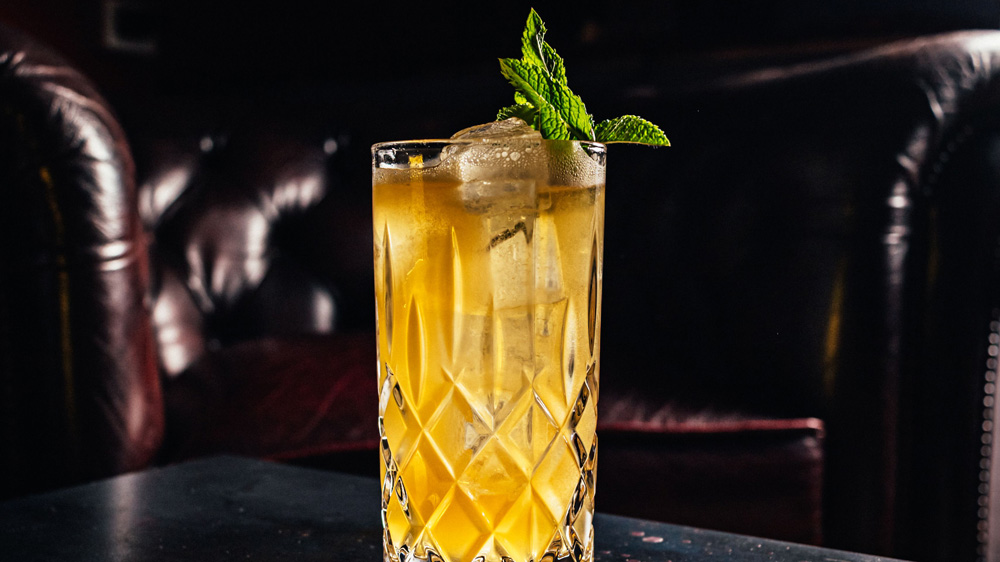
The objective is not to disguise the whisky but to reveal its subtleties. The result is a drink that feels almost weightless; crisp, refreshing and perfectly suited to food.
This philosophy extends beyond the Highball itself. The Japanese tradition of mizuwari, whisky diluted with still water, follows the same principle of gentle dilution to enhance aroma and drinkability.
Western interpretations tend to be slightly more robust. American Bourbon Highballs often embrace sweeter mixers such as ginger ale or cola, creating richer flavour profiles that complement barbecue food and casual gatherings.
In Scotland and Ireland, Highballs are frequently used to showcase the character of the whisky itself. Soda acts as a subtle enhancer, opening aromas and softening alcohol without significantly altering the spirit’s identity.
The beauty of the Highball lies in this adaptability. A single concept can be interpreted in countless ways while remaining unmistakably recognisable.
Summerton Whisky Club Tip
Temperature is everything. Chill the glass, chill the soda and use large dense ice cubes. The colder the ingredients, the slower the dilution and the brighter the finished drink.
How to Build the Perfect Highball
At first glance, the Highball appears almost impossibly simple. Yet its success depends entirely upon execution.
The Essentials
- Glassware: A tall Highball glass helps preserve carbonation and allows plenty of room for ice.
- Ice: Large, dense cubes melt slowly and maintain temperature without excessive dilution.
- Whisky: Choose a whisky with enough character to remain expressive when lengthened.
- Carbonation: High-quality soda water with lively bubbles is essential.
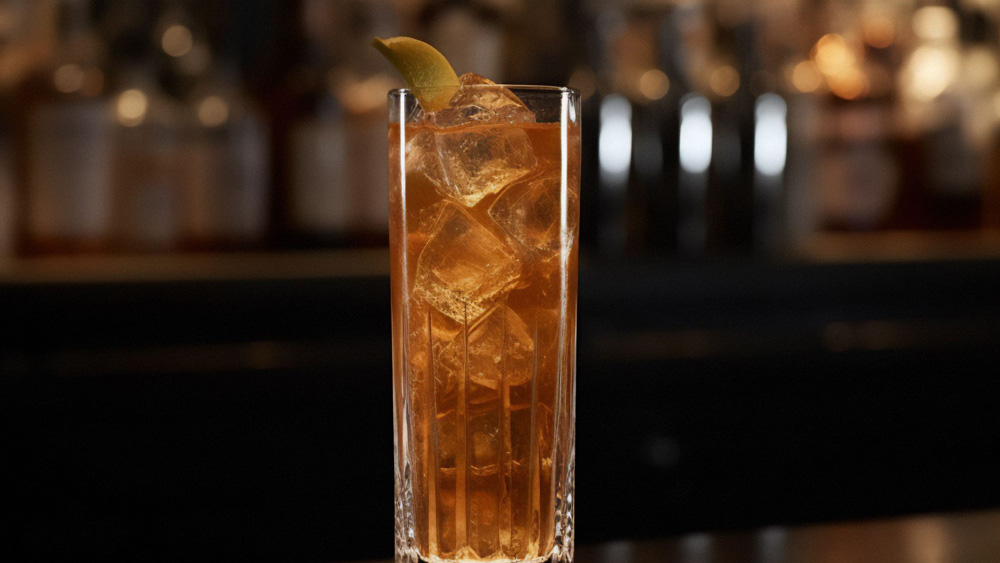
Classic Japanese-Style Highball
- 50–60ml whisky
- 150–200ml chilled premium soda water
- Large ice cubes
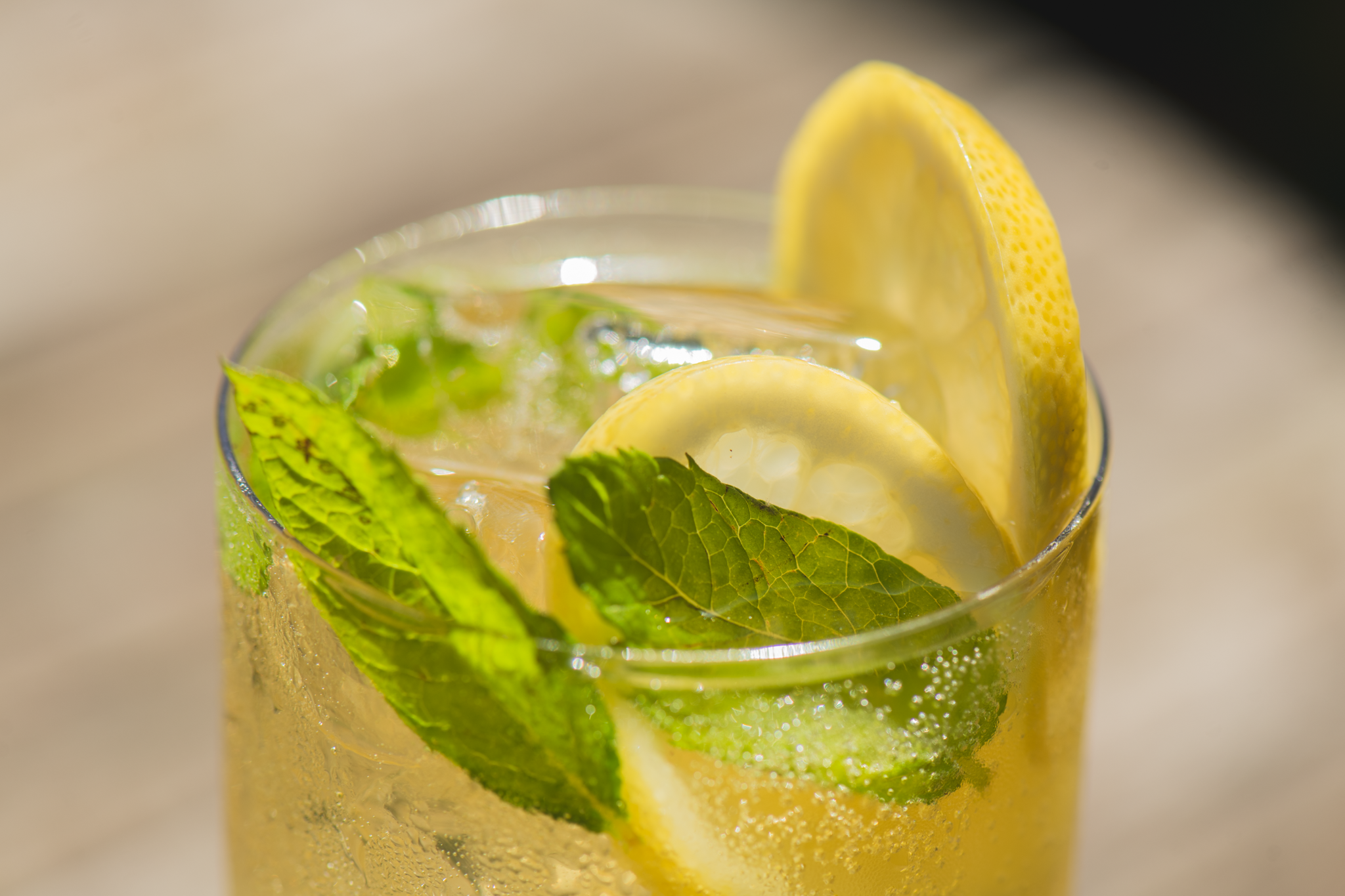
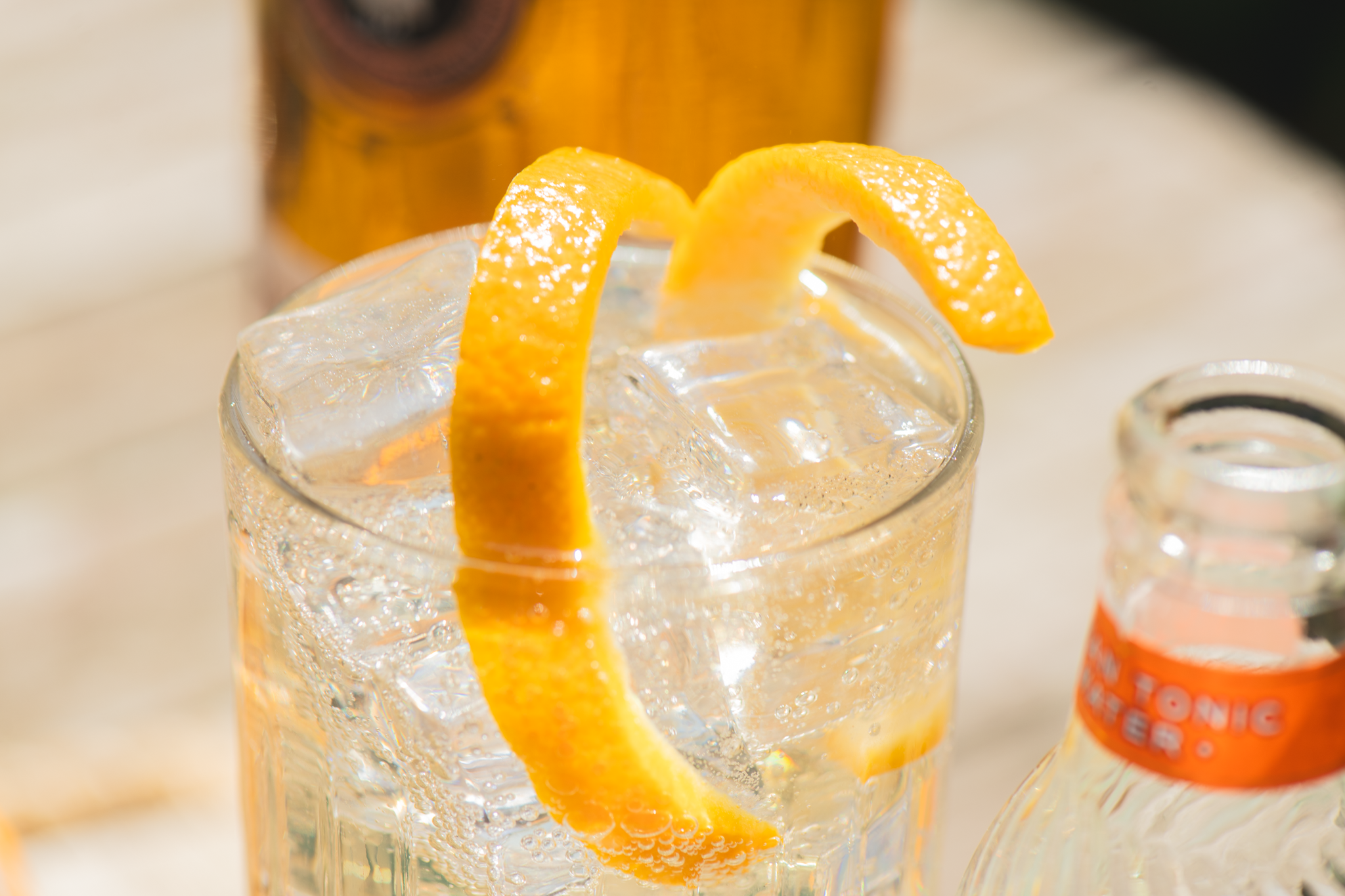
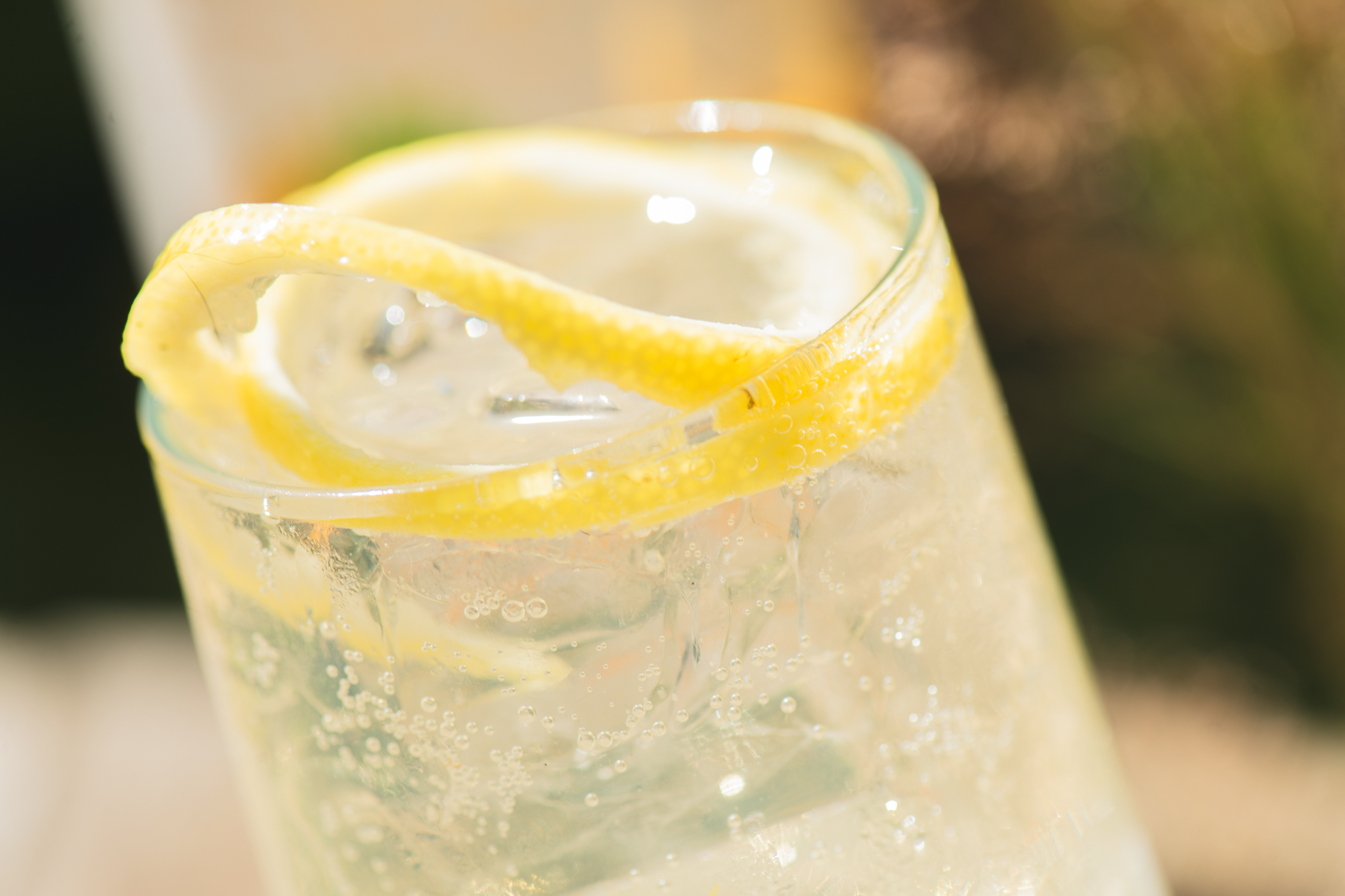
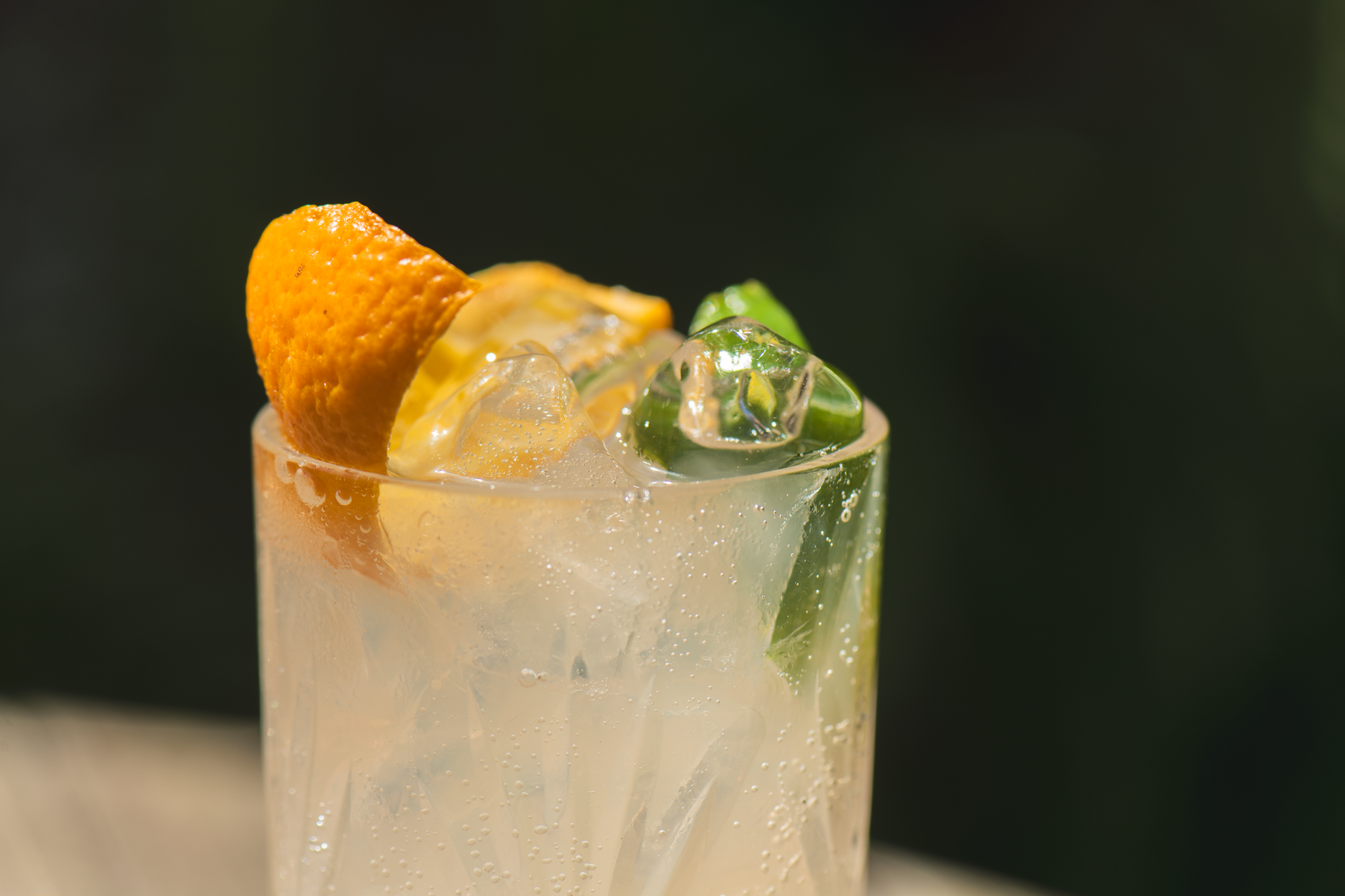
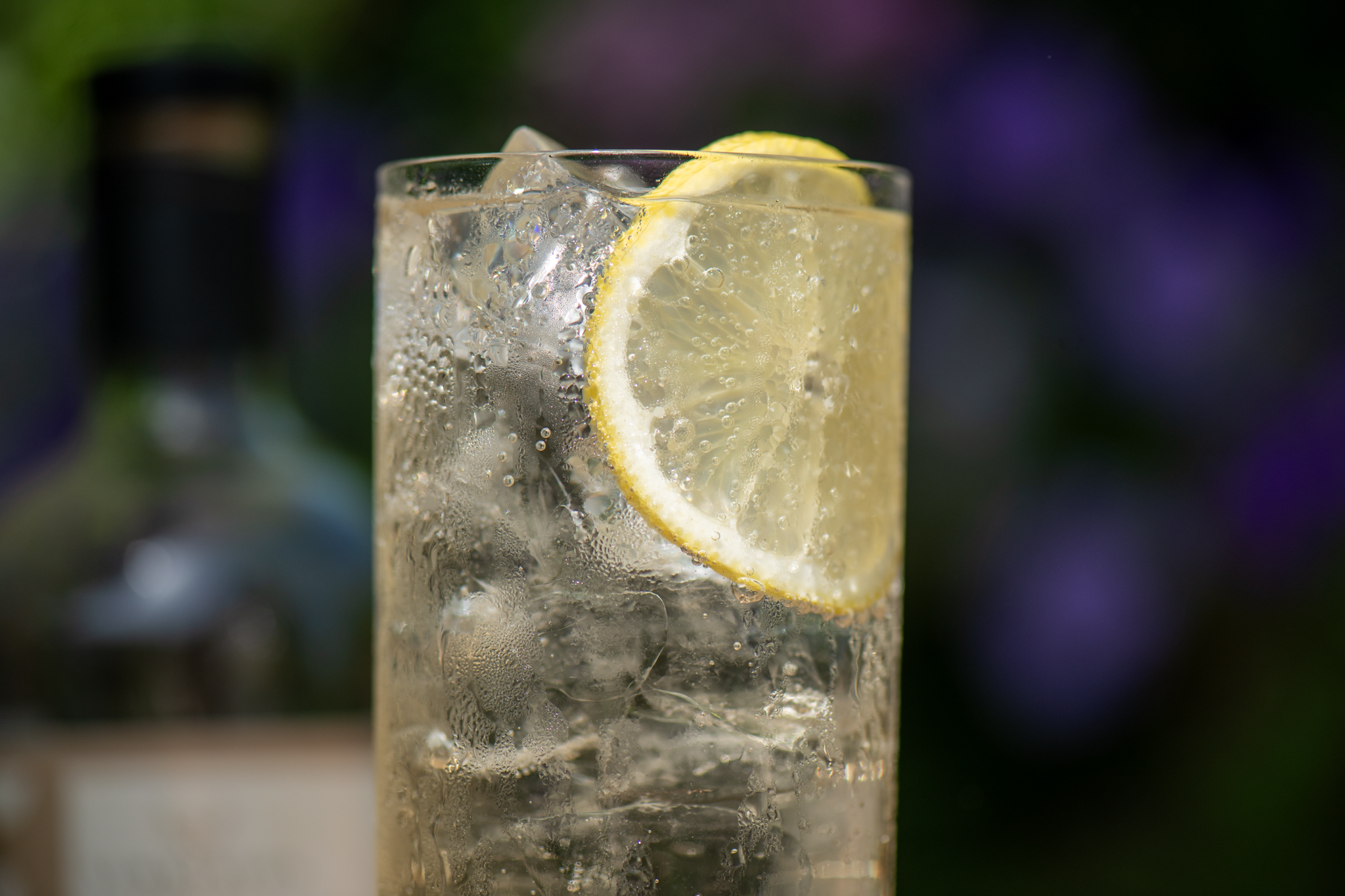
- Lemon twist
- Chill the glass thoroughly.
- Add whisky.
- Fill completely with large ice cubes.
- Gently pour chilled soda water down the inside of the glass.
- Stir once or twice only.
- Finish with a lemon twist.
| Component | Recommendation |
|---|---|
| Whisky | 50–60ml |
| Soda Water | 150–200ml |
| Ice | Fill the glass completely |
| Glass | Tall Highball glass |
| Garnish | Lemon twist |
| Stirring | One or two gentle turns |
The result should be bright, crisp and highly refreshing, with every element in balance.
Three Highball Styles Worth Exploring
Japanese Highball
Whisky: Suntory Toki, Nikka From The Barrel or a light Speyside malt
Mixer: Premium soda water
Garnish: Lemon twist
Character: Clean, delicate and remarkably food-friendly.
American Bourbon Highball
Whisky: Maker’s Mark, Wild Turkey 101 or your favourite bourbon
Mixer: Ginger ale or quality cola
Garnish: Orange slice or cherry
Character: Sweet, rich and comforting.
Peated Scotch Highball
Whisky: Talisker 10, Ardbeg Wee Beastie or another lightly peated malt
Mixer: Soda water or very dry ginger ale
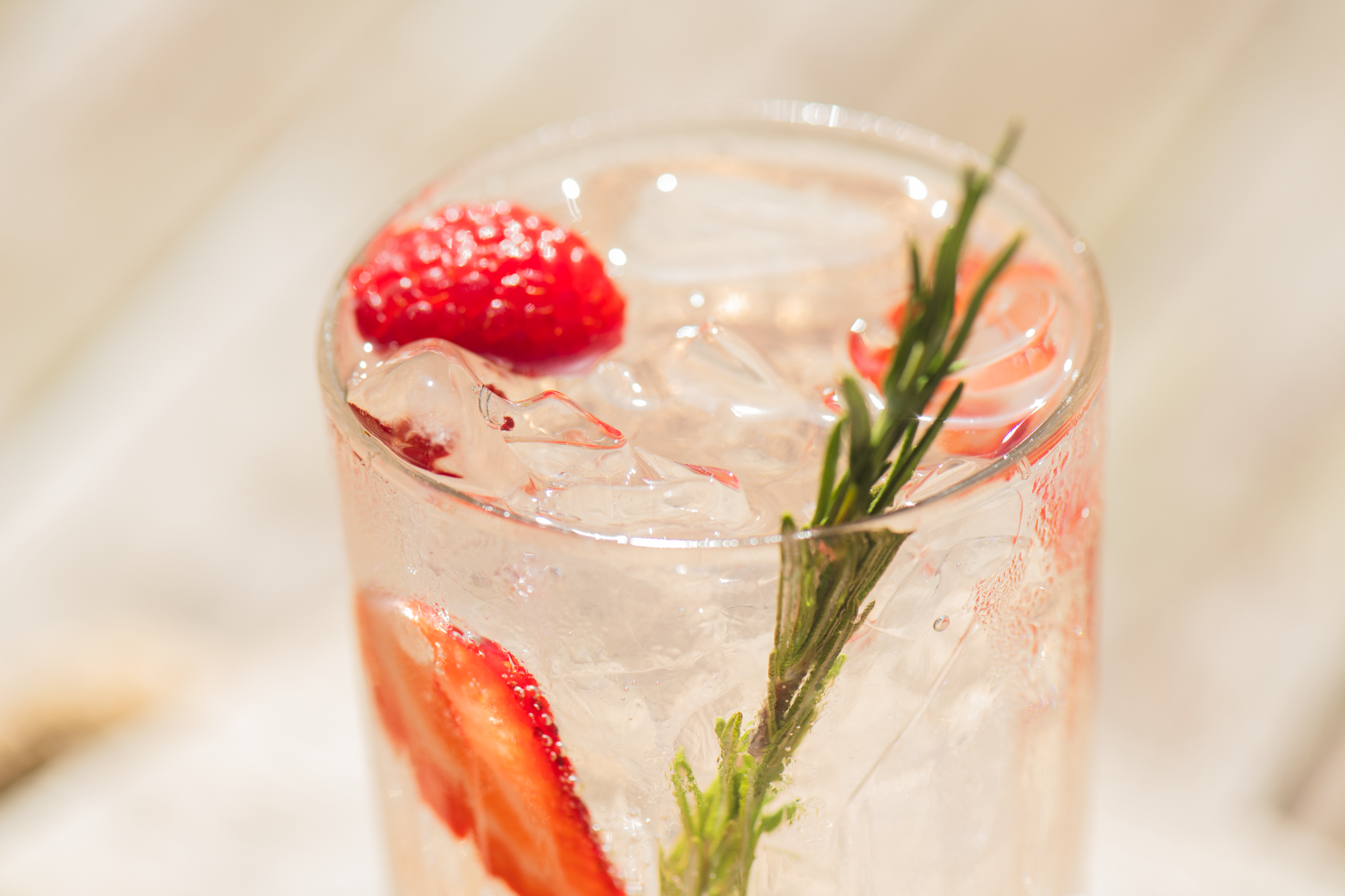
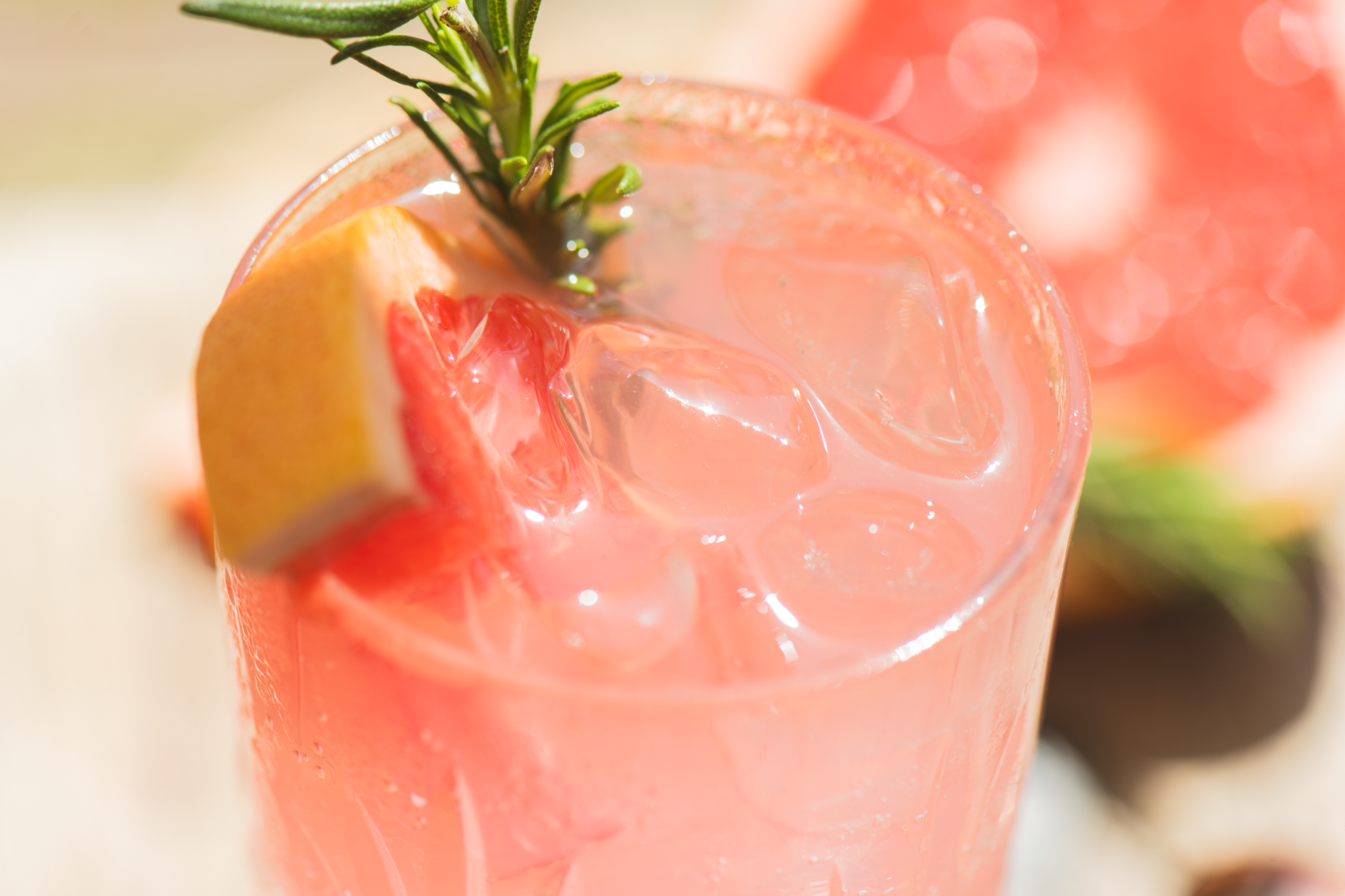
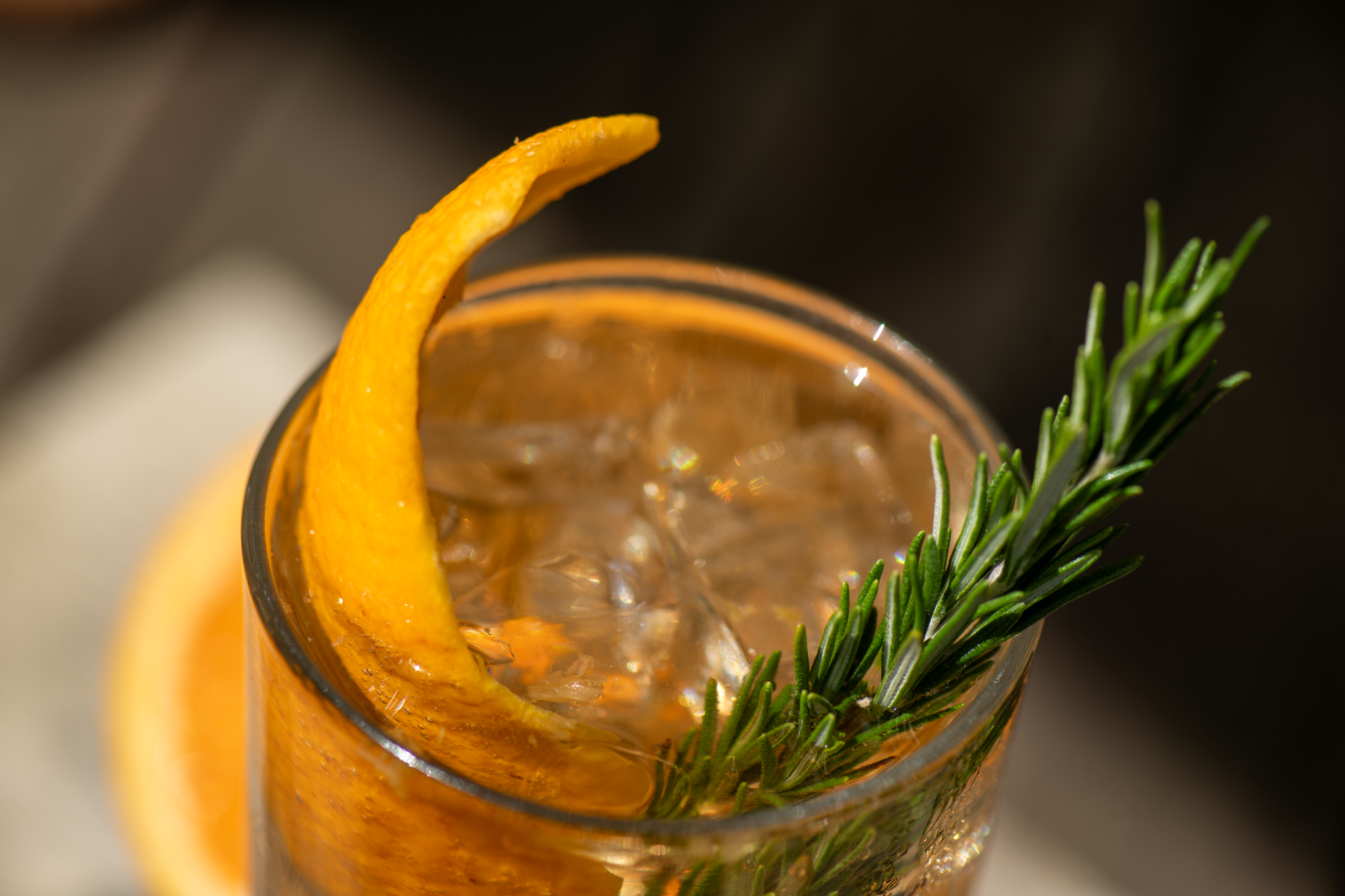
Garnish: Lemon peel or rosemary
Character: Smoke, freshness and surprising complexity.
Food Pairing Quick Guide
- 🥢 Sushi & sashimi → Japanese Highball
- 🔥 Barbecue & smoked meats → Bourbon Highball
- 🦪 Oysters & seafood → Peated Highball
- 🧀 Mature cheddar → Bourbon Highball
- 🍫 Dark chocolate → Peated Highball
Food Pairing and Occasions
One of the Highball’s greatest strengths is its ability to accompany food.
The carbonation refreshes the palate between bites while the whisky contributes flavour without overwhelming a dish. This makes it exceptionally versatile across a wide range of cuisines.
A Japanese-style Highball pairs beautifully with sushi, sashimi, tempura and grilled yakitori. The drink complements rather than competes with delicate flavours.
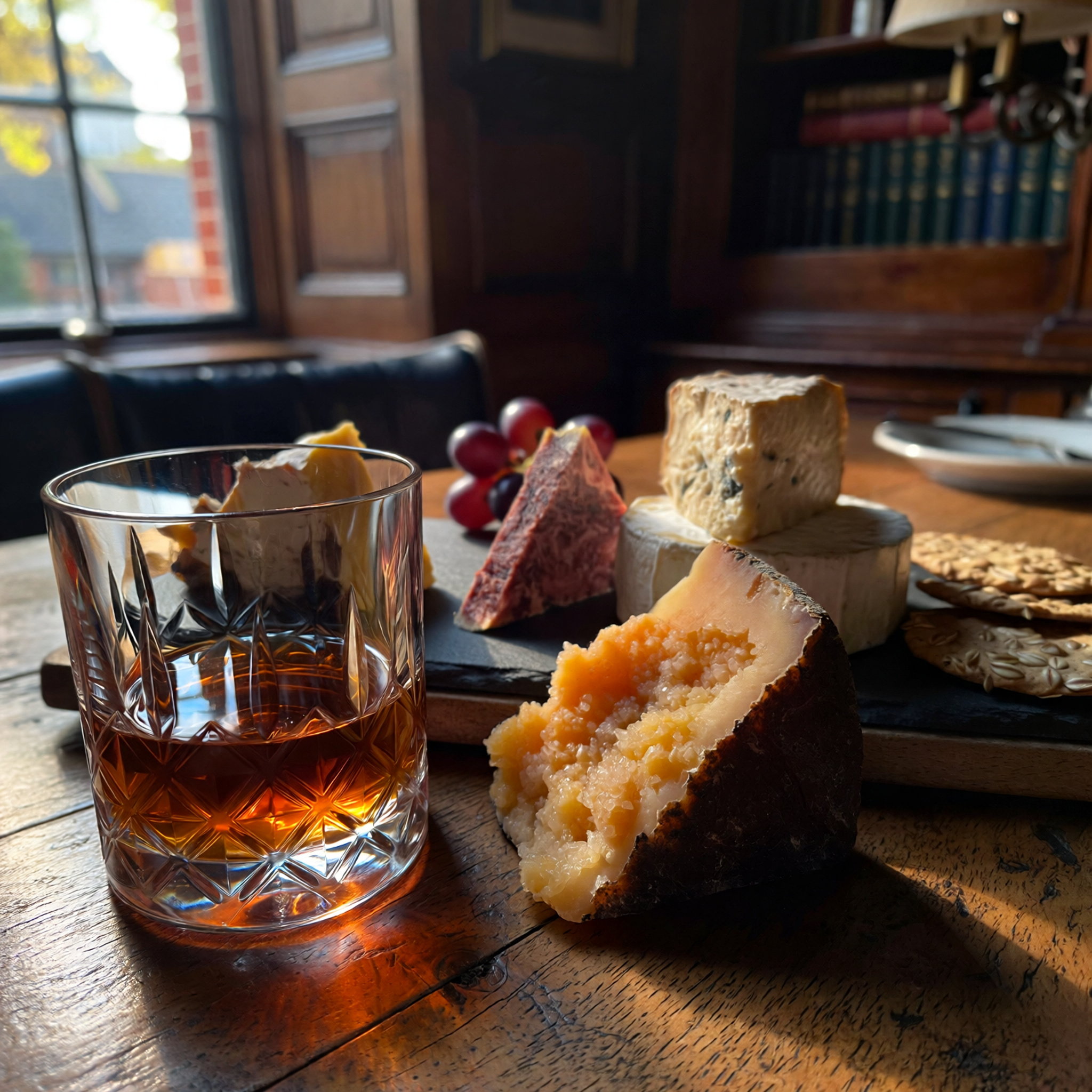
Bourbon Highballs work wonderfully alongside barbecue food, smoked meats and mature cheeses. The sweetness of bourbon and ginger ale can stand up to richer dishes with ease.
Peated Highballs create intriguing pairings with oysters, smoked seafood and even dark chocolate, where the whisky’s smoky notes find unexpected harmony.
Beyond food, the Highball adapts effortlessly to different occasions. It can serve as a refreshing summer aperitif, a sociable drink for long afternoons with friends or a relaxed evening sipper when neat whisky feels too heavy.
Did You Know?
Many Japanese bars dedicate specific ice preparation to their Highballs, using carefully shaped blocks to control dilution throughout the drink.
The Highball’s Modern Renaissance
The current resurgence of the Highball is no accident.
Modern drinkers increasingly seek serves that are lighter, more refreshing and less alcoholic than traditional cocktails. The Highball delivers all three without compromising flavour.
Bars dedicated entirely to Highballs have emerged across Japan and beyond. Craft cocktail venues now feature extensive Highball menus, showcasing different whiskies, mixers and garnishes.
Whisky producers have embraced the trend, actively promoting Highballs as a preferred serving suggestion for many expressions. Ready-to-drink canned Highballs have also exploded in popularity, making the serve more accessible than ever.
Far from being a relic of the past, the Highball feels perfectly suited to contemporary drinking habits.
Variations Worth Trying
Whisky & Ginger Highball
A simple switch from soda water to ginger ale creates a sweeter, spicier profile that works particularly well with bourbon and Irish whiskey.
Mizuwari
Not technically a Highball, but closely related. Whisky and still water create a softer, gentler drinking experience that highlights subtle aromas.
Herbal Highball
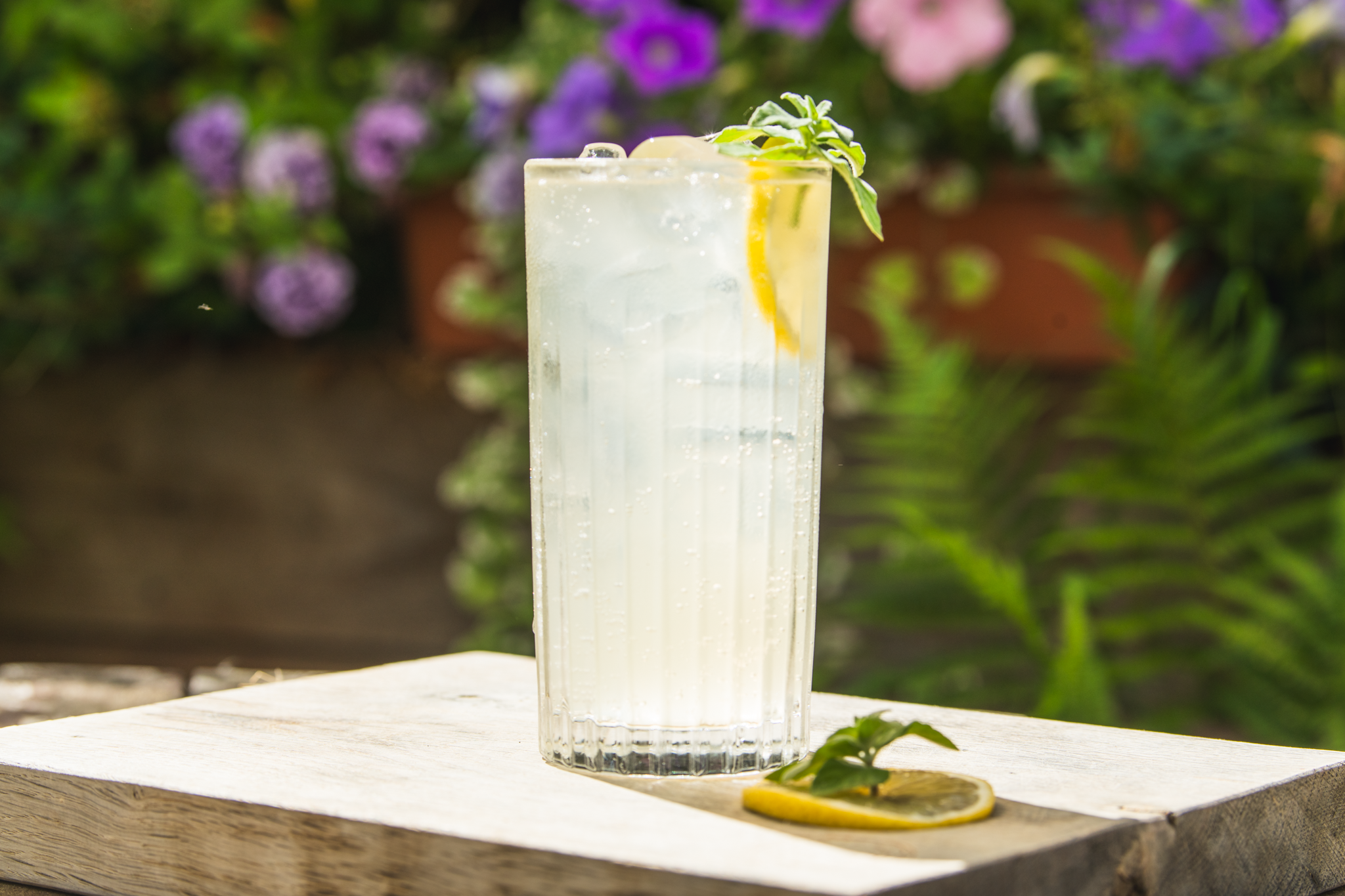
Add fresh rosemary, thyme or basil for an aromatic twist that complements many whisky styles.
Appletiser Highball
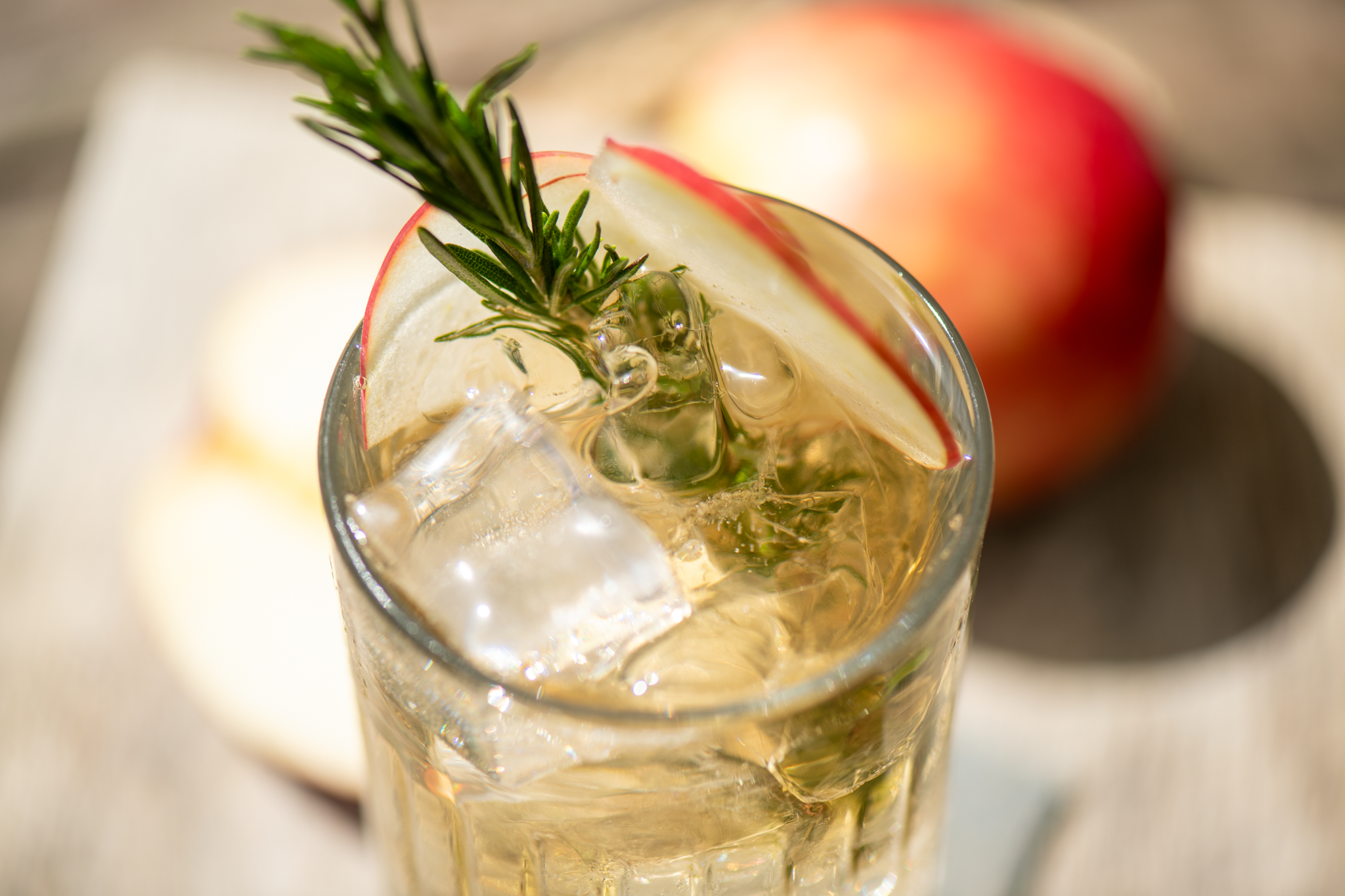
A personal favourite. Whiskies with orchard fruit characteristics, such as Mackmyra expressions, work exceptionally well with chilled Appletiser. A sprig of rosemary provides a wonderful finishing touch.
Whiskies We’d Recommend Trying
Japanese Style
- Suntory Toki
- Nikka Days
- Nikka From The Barrel
Bourbon Style
- Maker’s Mark
- Wild Turkey 101
- Buffalo Trace
Smoky Style
- Talisker 10
- Ardbeg Wee Beastie
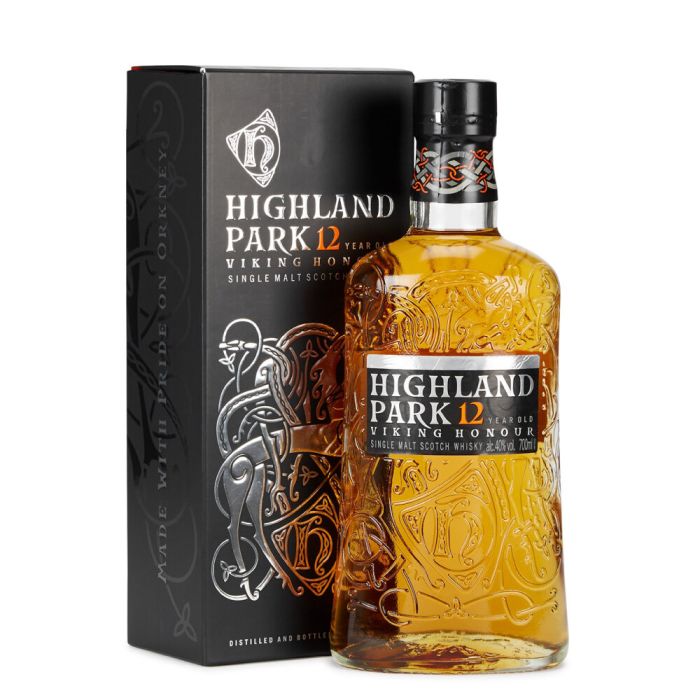
- Highland Park 12
Final Thoughts
Summerton Verdict
The Highball may be one of whisky’s simplest serves, but simplicity should never be mistaken for lack of sophistication. When prepared properly it delivers refreshment, flavour, versatility and balance in equal measure. Whether you are introducing someone to whisky for the first time or enjoying a favourite dram in a different way, the Highball remains one of the most rewarding serves in the whisky world.
The Highball succeeds because it understands a fundamental truth about whisky: enjoyment does not always require intensity.
Sometimes the perfect serve is not a heavily garnished cocktail or a cask-strength dram. Sometimes it is simply excellent whisky, exceptional ice and perfectly chilled carbonation working together in harmony.
From Tokyo’s meticulous bars to London’s whisky clubs, from American porches to Scottish pubs, the Highball continues to prove that simplicity and sophistication are not opposites. They are often the very same thing.
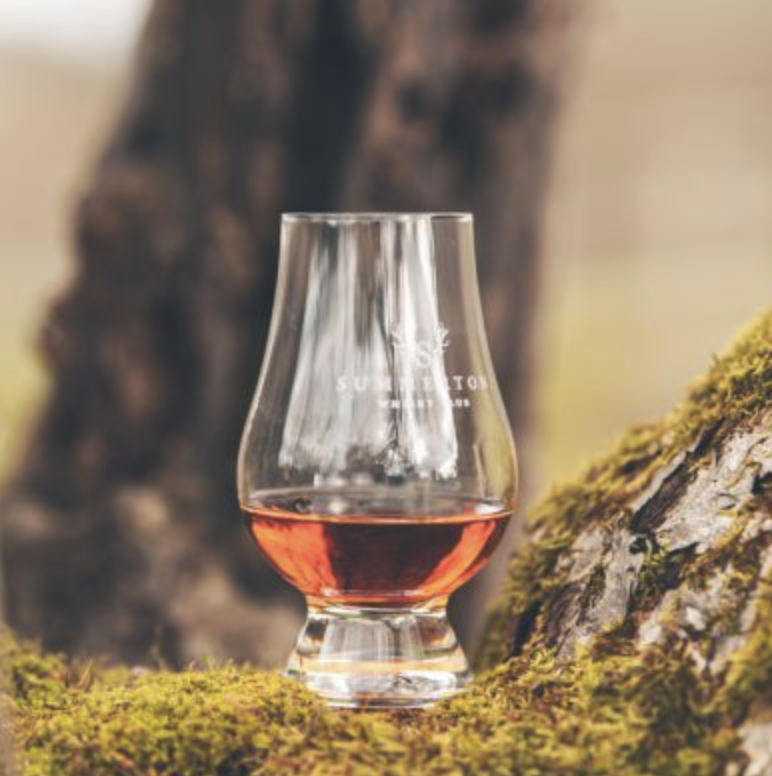
So the next time you reach for a bottle, consider setting aside the Glencairn. Fill a tall glass with ice, add your favourite whisky, top it with soda and discover why one of the simplest drinks in the world remains one of its most enduring.