

















































A Guide to Pairing Whisky with British Cheeses
-
Tom Helme / 6 months
- 14th April 2026
- 0
- 8 min read
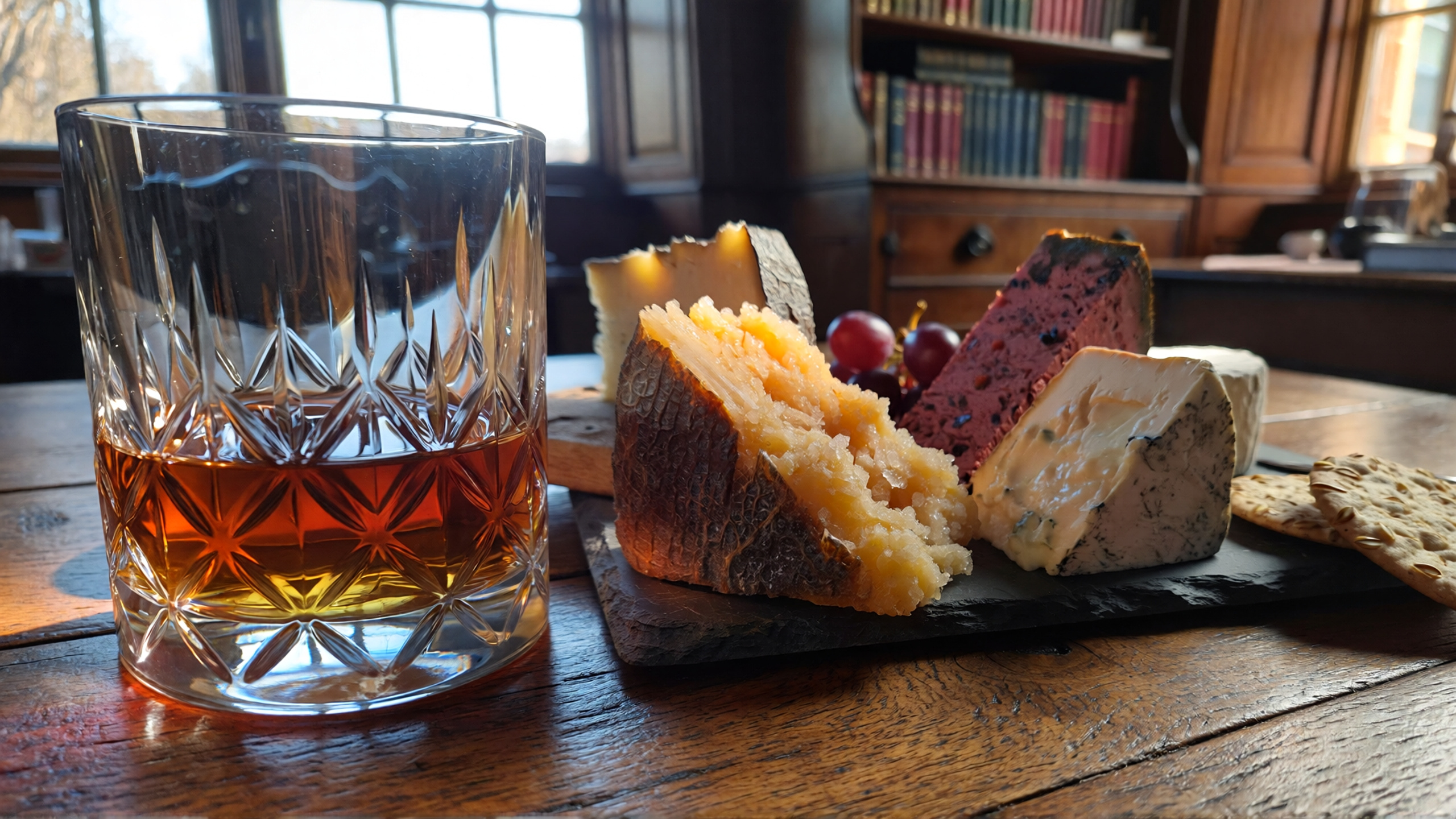
A Guide to Pairing Whisky with British Cheeses
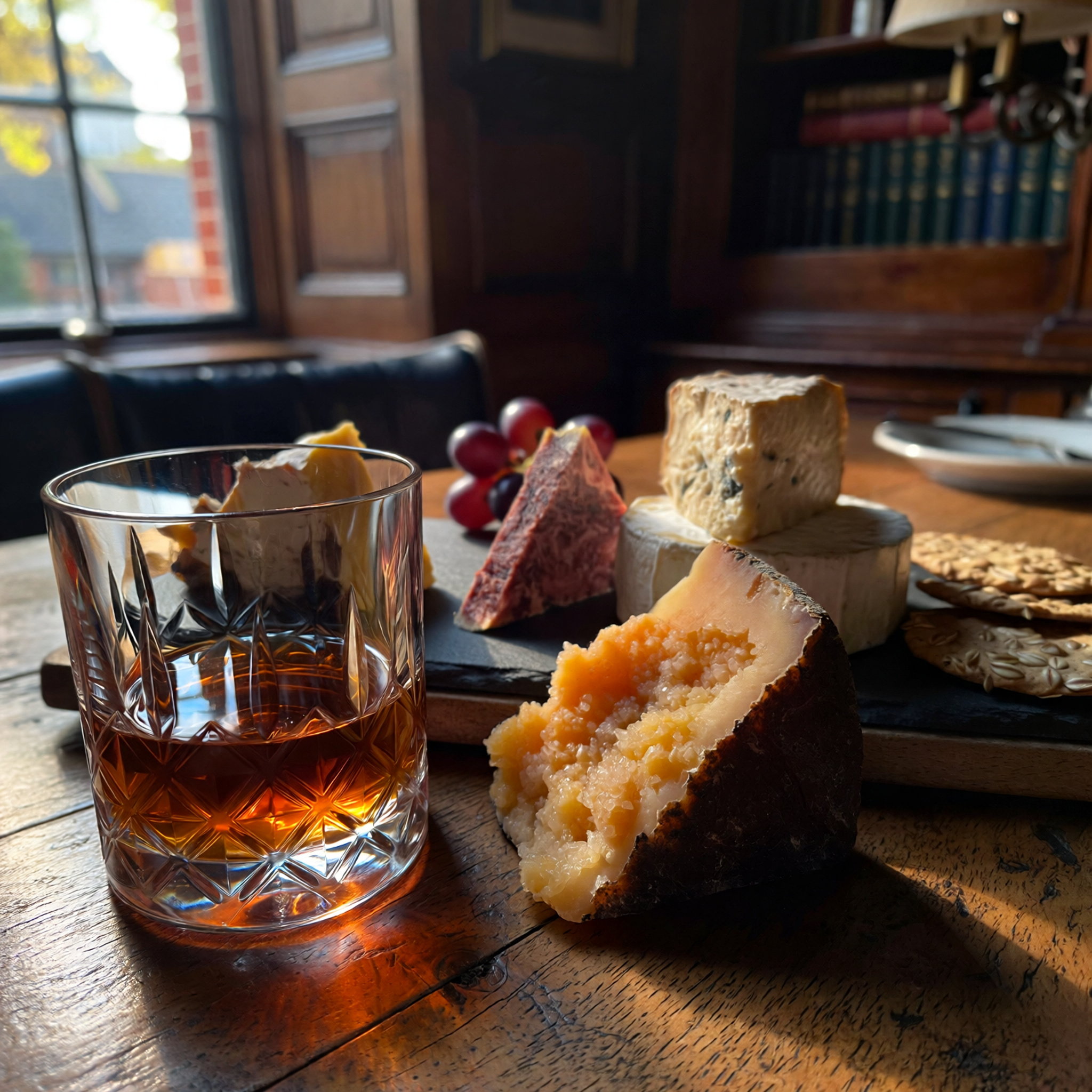
Thinking beyond wine and cheese? Whisky and cheese can be every bit as rewarding. The right pairing can soften, sharpen, deepen or completely transform what you taste, whether that is a smoky dram alongside a crumbly Cheddar or a fruit-led single malt next to a soft, creamy British Brie.
Quick answer: the best whisky and cheese pairings balance flavour intensity, texture and style. Bold whiskies suit stronger cheeses, sweeter drams balance salty blues, and lighter whiskies tend to work best with softer, more delicate cheeses.
A Match Made in the British Isles
Forget wine and cheese for a moment, because there is an equally compelling pairing waiting to be explored: whisky and cheese.
From the smoky pull of a peated Scotch to the honeyed softness of a fruit-led single malt, and from the crumbly tang of a mature Cheddar to the rich, buttery indulgence of a British Brie, the British Isles offer a brilliant range of flavours to play with. When the right whisky meets the right cheese, the result is not just enjoyable. It can completely change how you experience both.
This guide explores why whisky and cheese work so well together, how to think about flavour when building a pairing, and which combinations are worth trying first. Whether you are putting together a full board for guests or simply opening a bottle and slicing into something good from the cheesemonger, there is a lot of fun to be had here.
Why Whisky and Cheese Work
At first glance, whisky and cheese can seem like an odd match. One is distilled, often warming and complex. The other is rich, savoury, creamy or pungent. But that is exactly why they can work so well together.
The right pairing can echo shared notes, create contrast, or change the way each element feels in the mouth. A nutty whisky can deepen the savoury side of an aged hard cheese. A sweeter sherried dram can soften the salt and punch of a blue. A creamy cheese can calm the edges of a spicier whisky and let more subtle notes come through.
Understanding Flavour Profiles
Whisky flavour styles
- Smoky / peaty – bonfire, earth, iodine, sea spray
- Fruity / floral – apple, pear, berry, citrus, blossom
- Sweet / vanilla-led – honey, caramel, vanilla, toffee
- Spicy / oaky – cinnamon, pepper, nutmeg, dry wood
- Nutty / sherried – dried fruit, raisin, walnut, baking spice
British cheese styles
- Hard and aged – savoury, nutty, crumbly, often crystalline
- Soft and creamy – buttery, mushroomy, rich, mild to earthy
- Blue – salty, punchy, creamy, sweet underneath the intensity
- Fresh goat’s cheese – tangy, bright, chalky, citrus-led
- Washed rind – strong aroma, savoury depth, sticky rind, meaty character
A simple rule to remember
Match light with light and bold with bold. If one side is much stronger than the other, the quieter partner disappears.
The Main Pairing Principles
Complementary pairings
These work by finding shared notes. A nutty hard cheese alongside a sherried or malty whisky often feels seamless. A buttery soft cheese with a honeyed, vanilla-led dram can feel equally natural.
Contrasting pairings
Sometimes the most exciting pairings come from tension. A salty blue with a sweeter whisky is a classic example. The whisky softens the salt while the cheese stops the dram feeling too rich.
Texture matters
Do not just think in flavour. Think in mouthfeel too. A creamy cheese can work beautifully with an oily whisky, while a dry, firm cheese can benefit from a richer spirit that gives it extra weight on the palate.
Intensity is everything
A delicate cheese will get flattened by a heavily peated whisky. A big blue or washed rind will overwhelm a light, grassy dram. If in doubt, keep the strength of both sides fairly close.
A Tour of Whisky Styles and What to Pair Them With
Islay and other peated styles
Peated whiskies bring smoke, earth, maritime character and often a medicinal edge. These need cheeses with enough backbone to keep up. Try them with extra mature Cheddar, clothbound Cheddar, Stilton, or other punchier blue cheeses.
Speyside and fruit-led single malts
These are some of the most versatile whiskies for pairing. Notes of orchard fruit, honey, vanilla and sherry cask richness make them easy to match. Try them with Somerset Brie, Tunworth, Lincolnshire Poacher or Red Leicester.
Highland styles
Many Highland whiskies bring richness, spice and a fuller body. They work well with mature Cheddar, sheep’s milk cheeses, milder blue cheeses and nuttier hard cheeses.
Lowland and lighter styles
Lighter whiskies can be grassy, floral and fresh. These work best with goat’s cheese, younger soft cheeses and milder Brie-style cheeses.
English and Welsh whisky
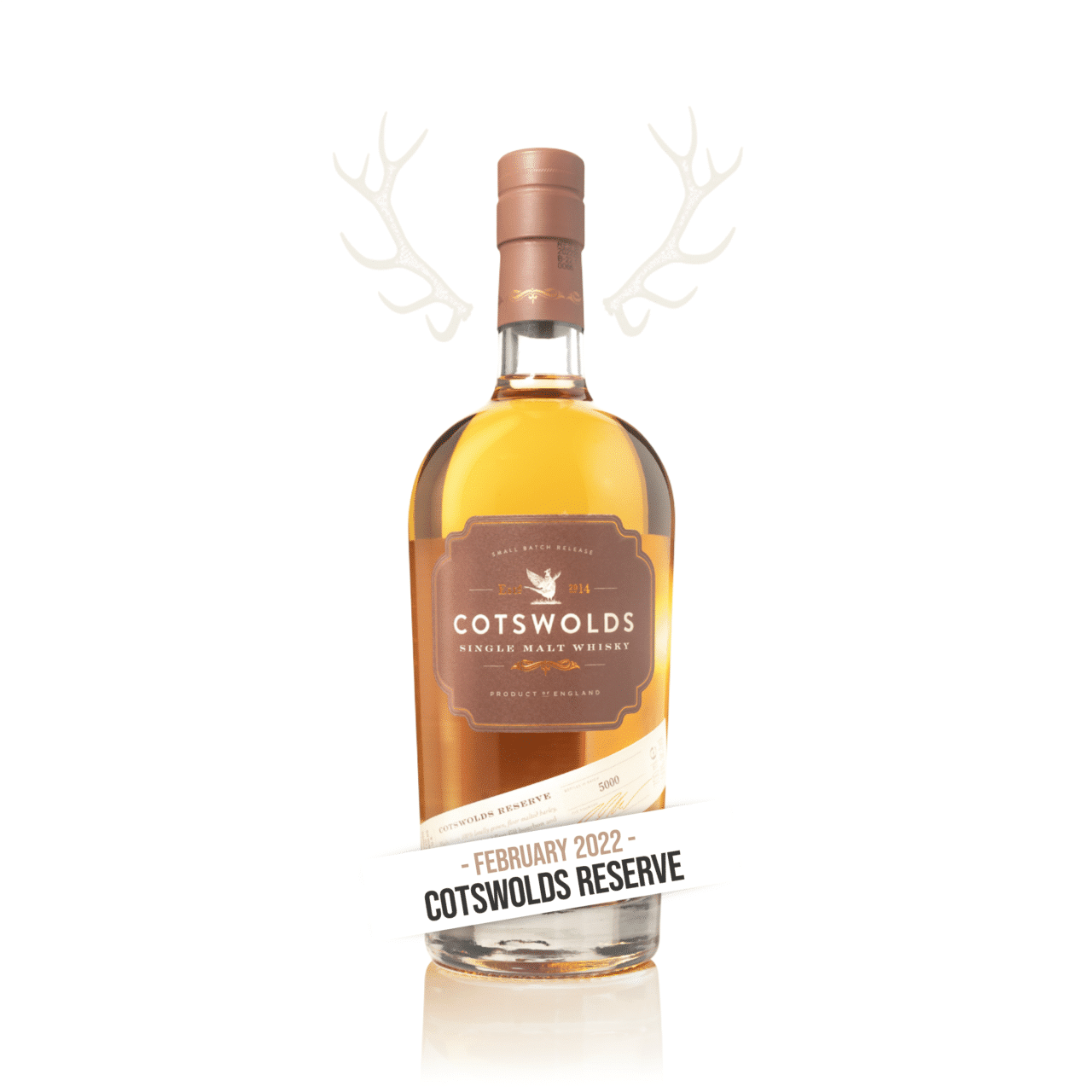
English and Welsh whisky has become a strong category in its own right. As a general rule, fruit-led or lighter bottlings work well with soft cheeses and goat’s cheese, while richer sherry-led styles are better with hard cheeses and blues.
Continue the idea
Summerton’s Food & Drink section already includes whisky-led serving ideas that naturally connect with this article, including Whisky-Infused Cheese Spread and Whisky-Soaked Fig and Cheese Bites.
British Cheeses and Their Best Whisky Partners
Cheddar
Young Cheddar is creamier and milder, so it suits lighter whiskies with fruit or vanilla notes.
Mature Cheddar has more savoury depth, nuttiness and bite. That makes it a much better match for richer Speyside whiskies, fuller Highland drams, or moderately peated whisky if you want contrast.
Lincolnshire Poacher and Red Leicester
These are savoury and nutty, often with a little sweetness too. Best with malty whiskies, lightly sherried drams, and fruit-led Highland or Speyside styles.
British Brie-style cheeses
Somerset Brie, Baron Bigod and similar cheeses tend to be buttery, soft and gently earthy. Best with lighter Speyside whisky, soft vanilla-led drams, and gentle fruit-forward whiskies.
Tunworth and Camembert-style cheeses
These are richer and more intense than a simple Brie-style cheese, especially as they warm up. They pair well with richer fruit-led whisky, light sherry cask influence, and whiskies with a rounded, oily texture.
Stilton and blue cheeses
Blue cheese brings salt, cream, funk and often a surprising sweetness. This makes it perfect for either sweet, sherried whisky or smoky, peated whisky.
Goat’s cheese
Fresh goat’s cheese is bright, tangy and often slightly chalky. Best with light, floral whisky, citrus-led drams and grassy, elegant styles.
Sheep’s milk cheeses
These often have a firmer texture and a nutty, slightly sweet quality. Best with richer fruit-led whisky, honeyed drams and softer sherried styles.
Washed rind cheeses
These are the wild cards. Big aroma, sticky rind, savoury depth. They need fuller-bodied whisky with enough structure to avoid being pushed aside.
Easy starting combinations
- mature Cheddar + sherried single malt
- Stilton + sweet sherry-cask whisky
- Brie-style cheese + honeyed Speyside
- fresh goat’s cheese + light floral whisky
- nutty hard cheese + malty Highland whisky
How to Build a Whisky and Cheese Board
Serving temperature
Whisky should be served at room temperature. Cheese should come out of the fridge at least 30 to 60 minutes before serving.
Tasting order
Go from lighter to stronger. Start with lighter whiskies and milder cheeses, then move towards richer, smokier and more pungent combinations.
Useful extras
Keep them simple and neutral: plain crackers, sliced apple or pear, grapes, walnuts, almonds, fig chutney or apple preserves.
Take notes
If you are doing this as a proper tasting, write things down. The combinations you expect to love are not always the ones that land best.
A Summerton-style Way to Do It
If you want this to feel more like an evening than a tasting exercise, keep it tight. Pick one soft cheese, one hard cheese, one blue, and three whiskies with clearly different profiles. That gives you enough variety to explore without turning the whole thing into palate fatigue.
FAQs
Does whisky really go with cheese?
Yes. The best pairings work through shared flavour notes, contrast, or texture. A good whisky and cheese pairing can bring out details in both that you might not notice separately.
What cheese goes best with peated whisky?
Usually a strong hard cheese or a blue. Mature Cheddar and Stilton are both good places to start.
What whisky goes with Stilton?
A sweet sherry-cask whisky is a classic choice, but peated whisky can also work brilliantly if you enjoy a bolder contrast.
What cheese suits lighter whisky?
Goat’s cheese, Brie-style cheeses and milder soft cheeses tend to work best with lighter, fruitier or more floral drams.
Final Thoughts
Pairing whisky with British cheeses is not about following strict rules. It is about understanding flavour, starting with a few sensible combinations, and then seeing what your own palate enjoys most.
Some pairings will feel obvious and balanced. Others will surprise you. That is part of the fun. Open a bottle, bring the cheese up to temperature, and give yourself permission to experiment a little.
Keep exploring with Summerton
If this is your sort of whisky content, the next step is easy.
And if you want the in-person version, there is also the Summerton Whisky Festival.