






































Ronda, Andalucia: A Wine Trip with Lessons Learned
-
Tom Helme / 1 year
- 31st August 2025
- 0
- 9 min read
Ronda, Andalucia: A Wine Trip with Lessons Learned
Not every wine trip runs smoothly. On my recent visit to Andalucia, I set out to explore the famous Sherry Triangle, but decided to begin my journey in Ronda — part of the Serranía de Ronda Denomination of Origin, celebrated for its high-quality, small-batch wines. My goal was to uncover wines for a future Summerton Wine Experience delivery and perhaps source bold red wine casks, rich with fruit flavours, to mature whisky for future releases.
The Story of Ronda’s Wines
Wine has been made in Ronda since Roman times, but it was the late 20th century that sparked its modern revival. Visionary winemakers recognised the potential of the dramatic landscape and began establishing boutique wineries in the 1980s, blending tradition with innovation. Today, Ronda cultivates both international and native grape varieties: Tempranillo, Garnacha, Syrah and the rare Tintilla de Rota thrive alongside white grapes such as Chardonnay and Sauvignon Blanc, producing fresh and aromatic wines.
Expectations vs Reality
Having recently returned from a highly successful trip to Valpolicella — where I visited numerous small vineyards, made excellent contacts, and sourced both the wine for our first Summerton Wine Experience and some exceptional casks — I expected Ronda to follow a similar pattern. The plan was simple: visit vineyards, meet passionate winemakers, and discover wines worth sharing.
However, Ronda operates differently. Unlike other regions where wineries open their doors to curious travellers, here visits are by appointment only. I emailed numerous vineyards without receiving a single reply. Phone calls also went unanswered. This lack of accessibility created a frustrating barrier to connecting directly with producers.
The Charm of Ronda
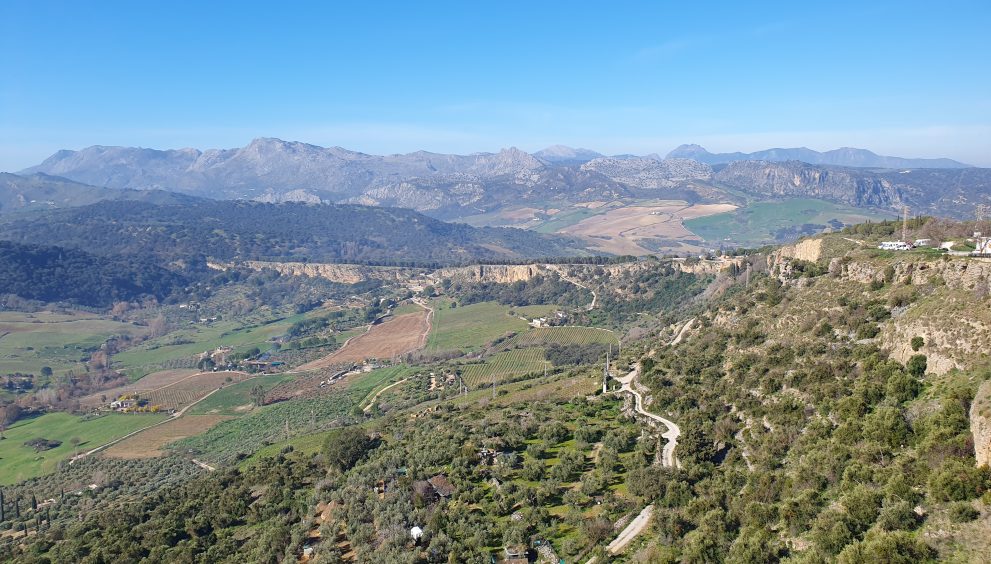
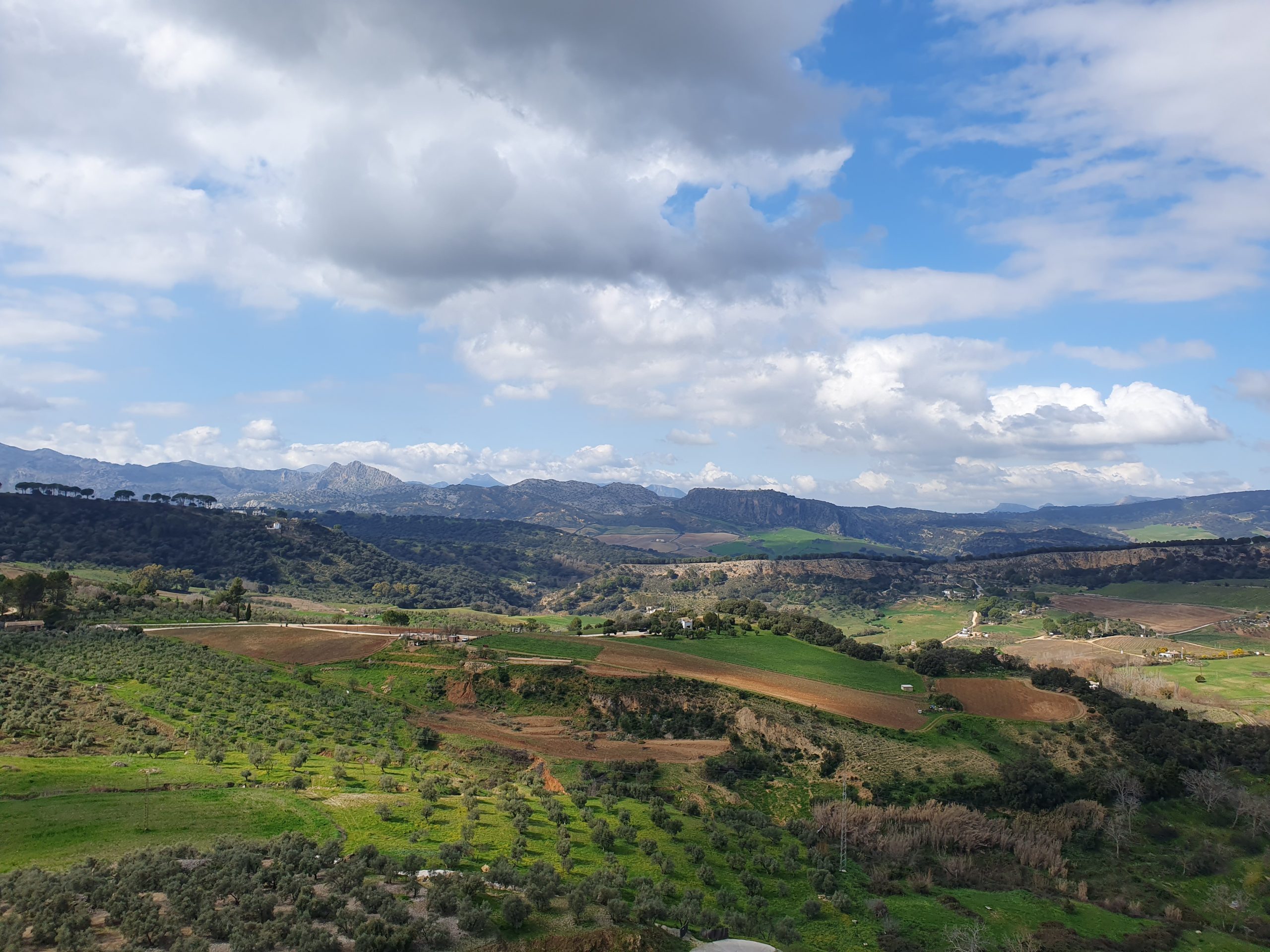
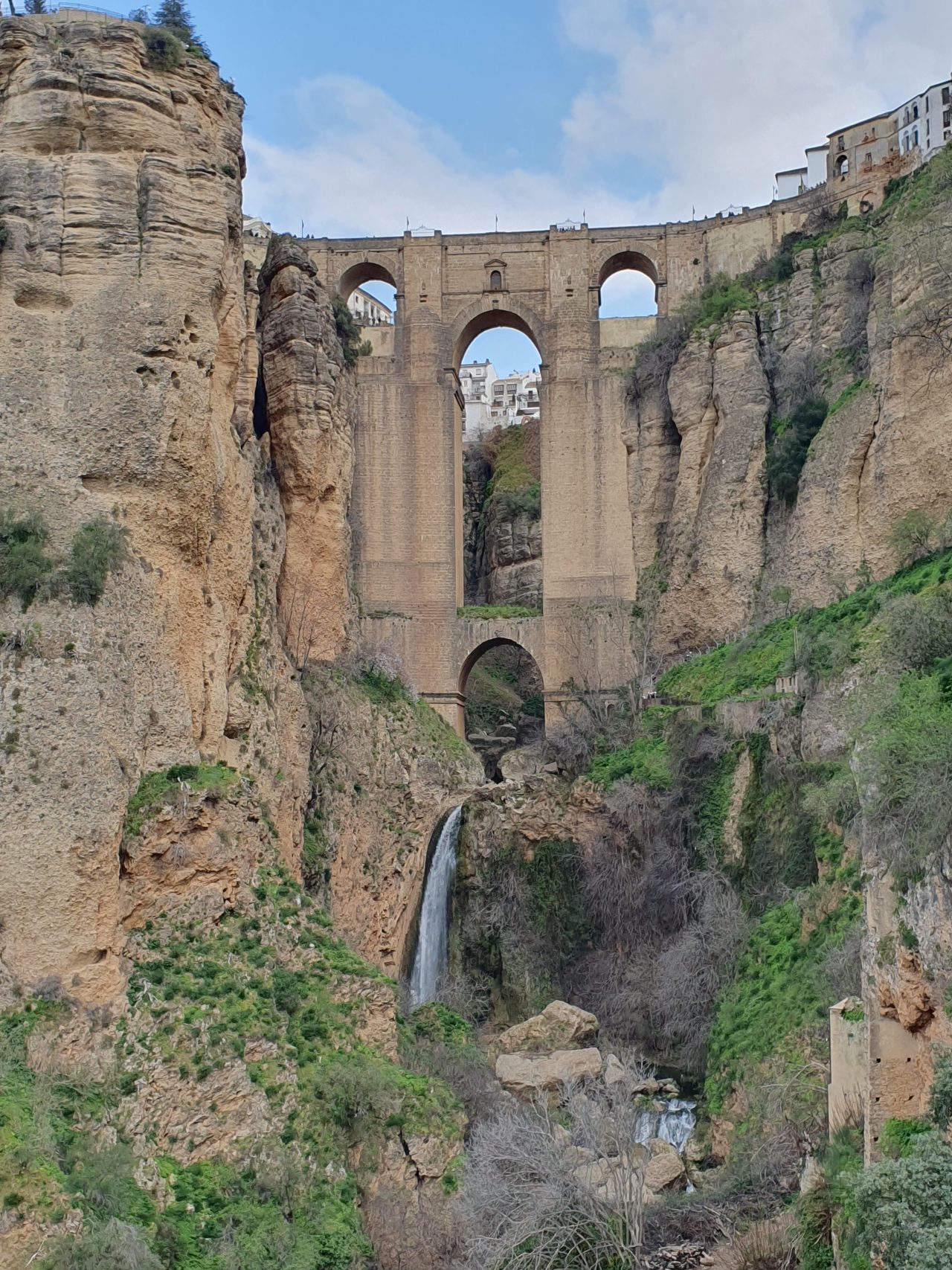
Thankfully, the town itself more than compensates. Ronda is perched dramatically on a limestone plateau, divided by the breathtaking El Tajo Gorge. Its architecture is a fascinating blend of Moorish and Catholic influences, with the iconic Puente Nuevo (“New Bridge”) a must-see landmark. From its dizzying height, you can look out over the rolling countryside and spot vineyards scattered across the landscape.
In the spirit of adventure, I set out on foot to see if I could connect with any wineries directly. Most were closed to casual visitors. But then, a stroke of luck: outside one vineyard, I met the owner and winemaker himself. He invited me in, showed me around, and poured two of his wines — both excellent, with one particularly outstanding. This wine would not only meet the Summerton Wine Experience standard but could make a very worthy candidate for future inclusion.
A Different Kind of Wine Tourism
While we talked, he explained that the best way to try other Ronda wines was not by visiting the vineyards, but by heading to a local wine bar. Unlike Valpolicella, where winemakers are eager to open their doors, Ronda’s producers keep things closer to the chest. For travellers, this makes the region less accessible but perhaps all the more authentic when you do make a connection.
Moving Onwards
With few other options, I took the opportunity to soak up the beauty of the region before moving onwards. In Sevilla, I enjoyed some of the most phenomenal food of the trip, before continuing to Jerez de la Frontera to deepen my knowledge of sherry — so essential to whisky maturation. A week later, one of my unanswered emails finally received a reply, leaving the door open for a potential return trip to Ronda in the future.
This journey was a reminder that not every wine trip will be as smooth as Valpolicella. Sometimes the region’s character shapes the experience as much as the wines themselves. Ronda may be less open to visitors, but the wines I did taste were worth the effort. And as with all good whisky journeys, patience is part of the process — perhaps the next visit will yield even more discoveries.
A 5 Day Wine Road Trip: Ronda, Sevilla & Jerez de la Frontera
While whisky might be our usual focus, the world of wine often plays an equally important role — especially when it comes to sourcing casks that bring new layers of flavour to future Summerton releases. On this journey, I travelled from Great Britain into Andalucia, Spain, to explore the Sherry Triangle and its influence on whisky maturation. But before heading into Jerez, I began in Ronda — a wine region with history, character, and plenty of surprises along the way.
Day 1: Arrival in Ronda (via Málaga Airport)
Flying into Málaga Airport, the drive to Ronda takes you through olive groves, rolling hills, and twisting mountain roads — a picturesque introduction to Andalucia. Ronda is perched on a dramatic limestone plateau, its famous El Tajo Gorge splitting the town in two. The Puente Nuevo (“New Bridge”), towering above the gorge, is one of Spain’s most iconic sights.
After checking in, spend the afternoon wandering the cobbled streets, stopping at tapas bars for plates of jamón ibérico and salmorejo (a thick tomato and bread soup, perfect on a warm day). From viewpoints along the gorge you can already see vineyards stretching across the valley — a promise of the days to come.
- Accommodation: Hotel Catalonia Ronda (€95/night) — modern comfort overlooking the bullring.
- Dinner Recommendation: Restaurante Pedro Romero — classic Andalucian dishes like oxtail stew, paired with local red wines.
- Scenic Highlight: Sunset at Puente Nuevo, with sweeping views across the valley.
Day 2: Exploring Ronda’s Vineyards
Ronda’s modern wine revival is built on boutique wineries, many of which only open by appointment. Despite repeated calls and emails, most proved difficult to access. But sometimes travel rewards persistence: by sheer luck, I encountered a local winemaker at his vineyard entrance who invited me in. His small estate produced just two wines — both elegant, with one particularly outstanding, showing bold fruit and a rich character that could work beautifully for a Summerton Wine Experience.
While not all vineyards welcomed visitors, Ronda itself offered plenty of distractions. A morning walk past Lochranza Castle-like ruins and olive groves gave way to tastings of local wines in town. At small enotecas (wine shops), you can try Tempranillo, Syrah, Garnacha, and the rare Tintilla de Rota, alongside whites such as Chardonnay and Sauvignon Blanc. Expect wines that are bold, fruit-driven, and deeply expressive of the region’s climate.
- Accommodation: Stay another night in Ronda for convenience.
- Dinner Recommendation: Casa María — a fixed-menu restaurant with hearty, home-cooked Andalucian flavours.
- Scenic Highlight: Walking down into the gorge itself for a unique perspective of the bridge and vineyards beyond.
Day 3: Ronda → Sevilla
Leaving Ronda, the drive to Sevilla is filled with olive groves and mountain passes. Sevilla is Andalucia’s cultural capital — a city of flamenco, Moorish palaces, and exceptional food. While not a winemaking hub itself, it’s a gastronomic playground where local wines shine alongside world-class tapas.
Spend the afternoon visiting the Seville Cathedral (the largest Gothic cathedral in the world) and climbing the Giralda Tower for panoramic city views. In the evening, wander into the Triana district, famous for ceramics, flamenco, and a buzzing tapas scene. Pair small glasses of local wines with dishes like grilled prawns, Iberian pork cheeks, or spinach with chickpeas.
- Accommodation: Hotel Doña María (€100/night) — rooftop terrace overlooking the cathedral.
- Dinner Recommendation: La Azotea — inventive tapas with superb wine pairings.
- Scenic Highlight: Evening flamenco performance in an intimate tablao.
Day 4: Sevilla → Jerez de la Frontera
From Sevilla, it’s a short drive to Jerez de la Frontera, the beating heart of the Sherry Triangle. This is where whisky’s love affair with sherry casks begins. Visit iconic bodegas such as González Byass (home of Tío Pepe) to learn how sherry is made and how its barrels go on to season whiskies around the world.
The range of sherries — from bone-dry Fino and nutty Amontillado to rich, sweet Pedro Ximénez — demonstrates just how much influence casks can have on flavour. It’s easy to see why distillers treasure them for whisky maturation.
- Accommodation: Hotel Casa Palacio María Luisa (€120/night) — boutique luxury in a historic setting.
- Dinner Recommendation: La Carbona — modern cuisine cooked with sherry wines.
- Scenic Highlight: Alcázar of Jerez — an 11th-century Moorish fortress with gardens and views over the city.
Day 5: Jerez → Málaga (Return to Great Britain)
Before leaving, enjoy a final sherry tasting in Jerez — perhaps trying a flight of aged Olorosos that demonstrate the depth and complexity of fortified wine. Then, make the drive back to Málaga, passing through rolling hills dotted with cork trees and citrus groves.
If time allows, stop in Antequera, a town filled with baroque churches and prehistoric dolmens, offering one last glimpse into Andalucia’s diverse heritage before your flight home.
- Scenic Highlight: Stroll through the Alcazaba fortress in Antequera.
- Farewell Meal: Fresh seafood at a Málaga beach chiringuito (beach bar), with a glass of crisp local white wine.
Reflections on the Andalucia Wine Trail
This wasn’t the most straightforward of trips. In Ronda, gaining access to vineyards proved difficult, and it was only by chance that I met a winemaker willing to share his craft. Sevilla, with its incredible food, and Jerez, with its wealth of sherry bodegas, more than made up for the challenges. The experience highlighted how different wine tourism can be from whisky journeys — sometimes open and welcoming, sometimes reserved and elusive.
Still, the wines I did discover showed promise, and the landscapes and culture of Andalucia offered inspiration in abundance. The casks from this region — whether from bold Ronda reds or the deep, nutty sherries of Jerez — may one day shape the character of Summerton whiskies to come. And with one late reply arriving to my emails, perhaps another trip back to Ronda will unlock even more opportunities.
Sláinte — or should I say, ¡Salud!
- Road-trip
- Wine Regions