

































The Angel’s Share: A Whisky’s Offering to the Heavens

The Angel’s Share: A Whisky’s Offering to the Heavens
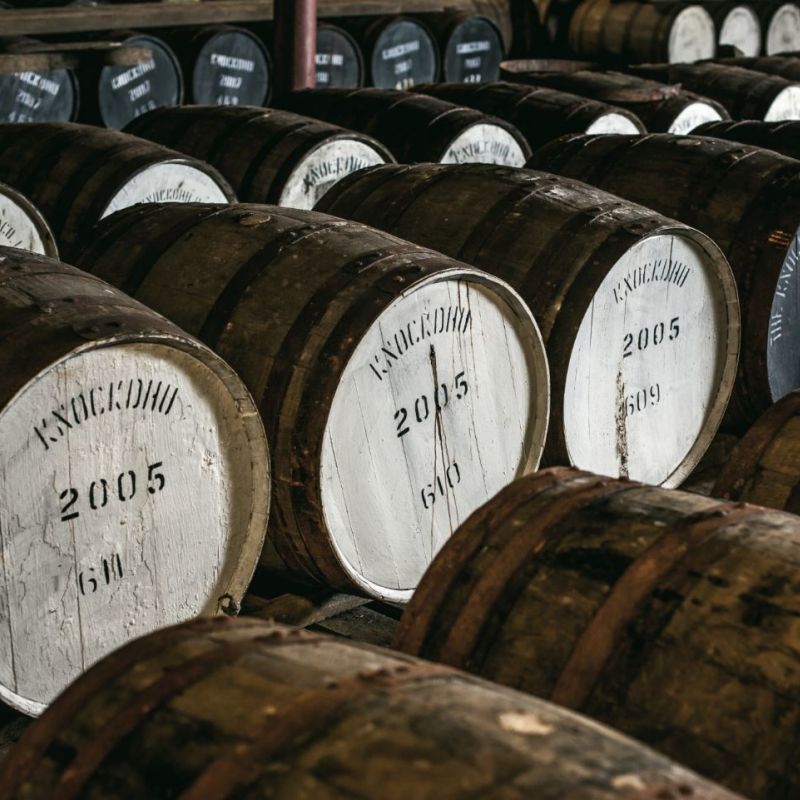
Whisky, with its complex flavours and storied heritage, owes much of its character to the ageing process. As the spirit rests in oak casks, it undergoes a slow transformation, developing depth, complexity, and nuance.
However, not all the whisky in a barrel survives the journey to bottling. Each year, a portion of the liquid evaporates into the air, a phenomenon romantically known as the angel’s share. Yet, while this is well known, another essential interaction between whisky and its cask is the absorption of liquid into the wood itself—a process that plays a vital role in shaping the final flavour profile.

What Is the Angel’s Share?
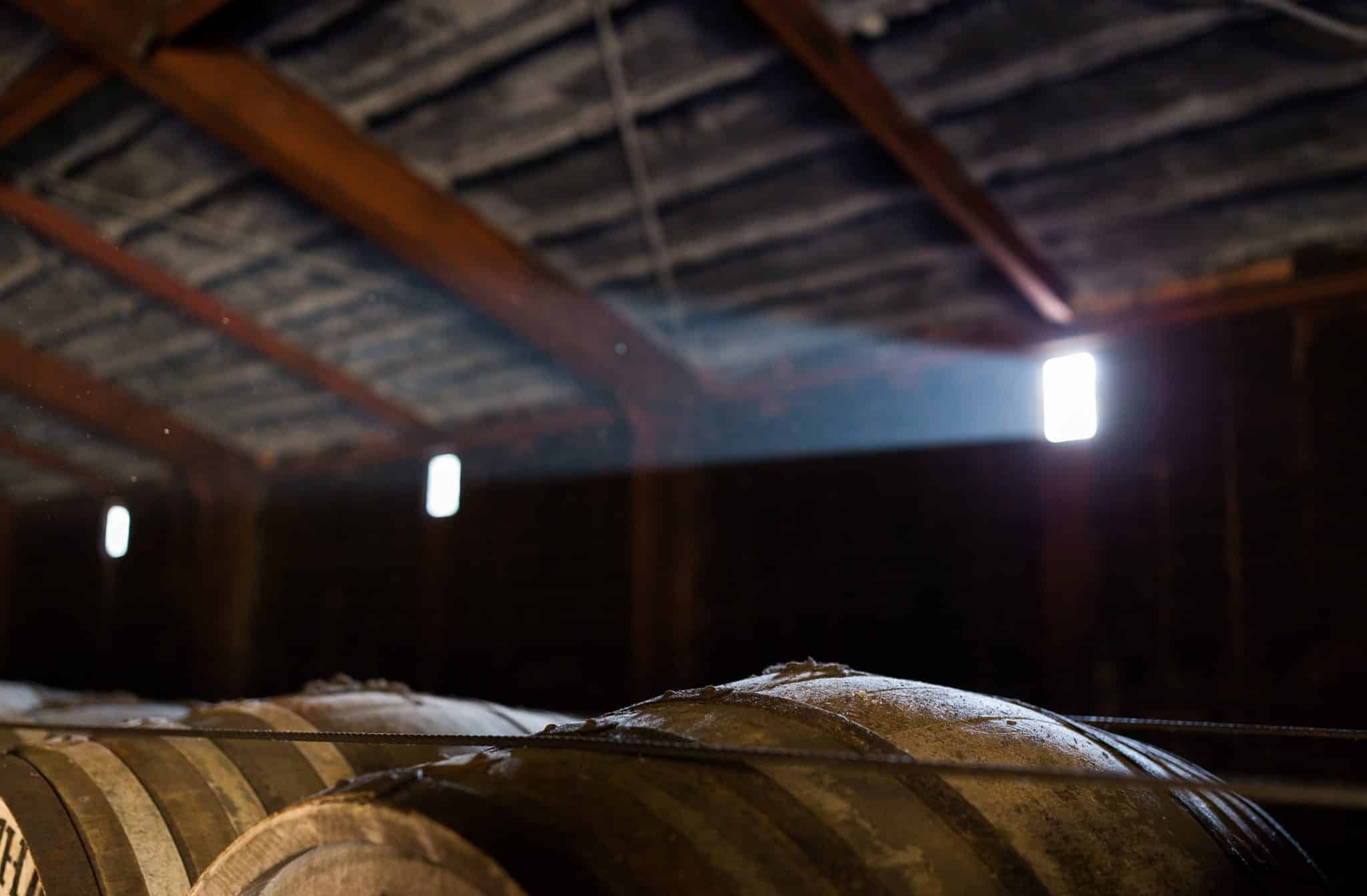
The angel’s share refers to the whisky that evaporates through the pores of wooden barrels during maturation. Whisky barrels are intentionally porous, allowing a slow exchange of air and interaction with the environment. This evaporation results in a small but steady loss of the liquid, which escapes into the atmosphere and is said to be claimed by the angels.
On average, distillers lose around 2–5% of a barrel’s volume annually to evaporation, though this rate can vary significantly depending on factors like climate, barrel size, and warehouse conditions.
How Barrels Absorb Whisky
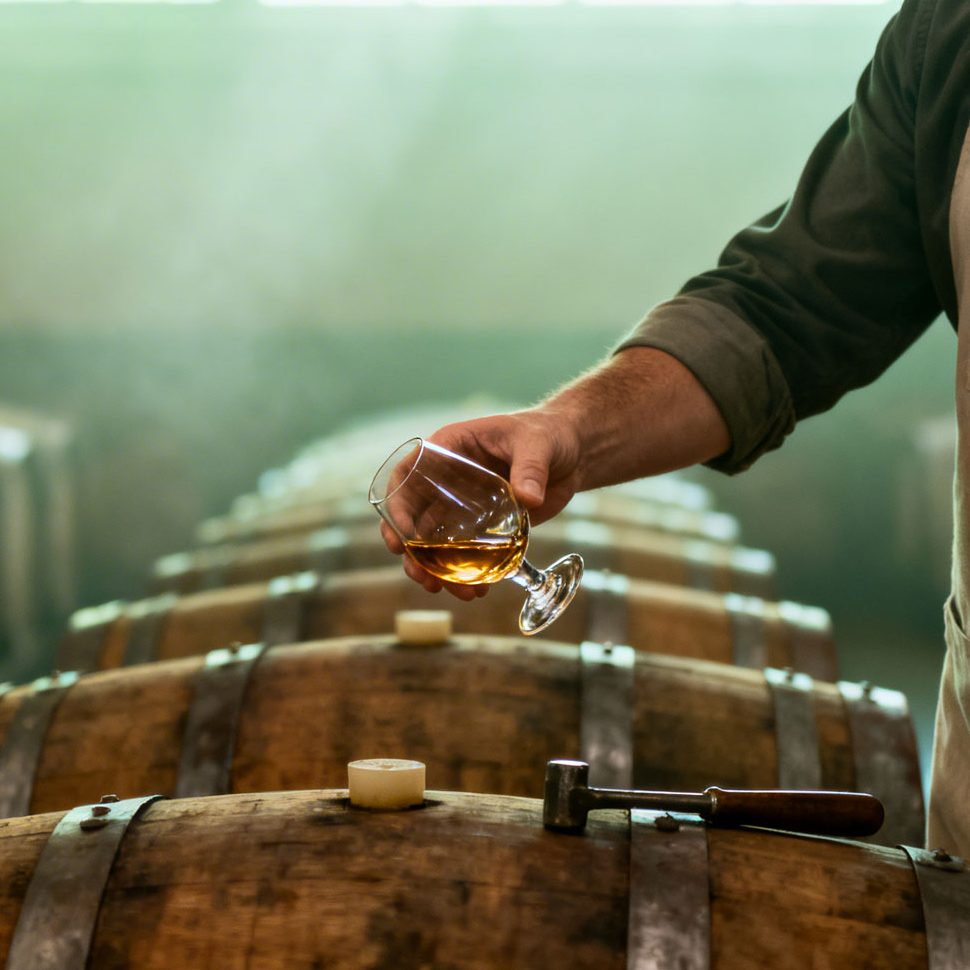
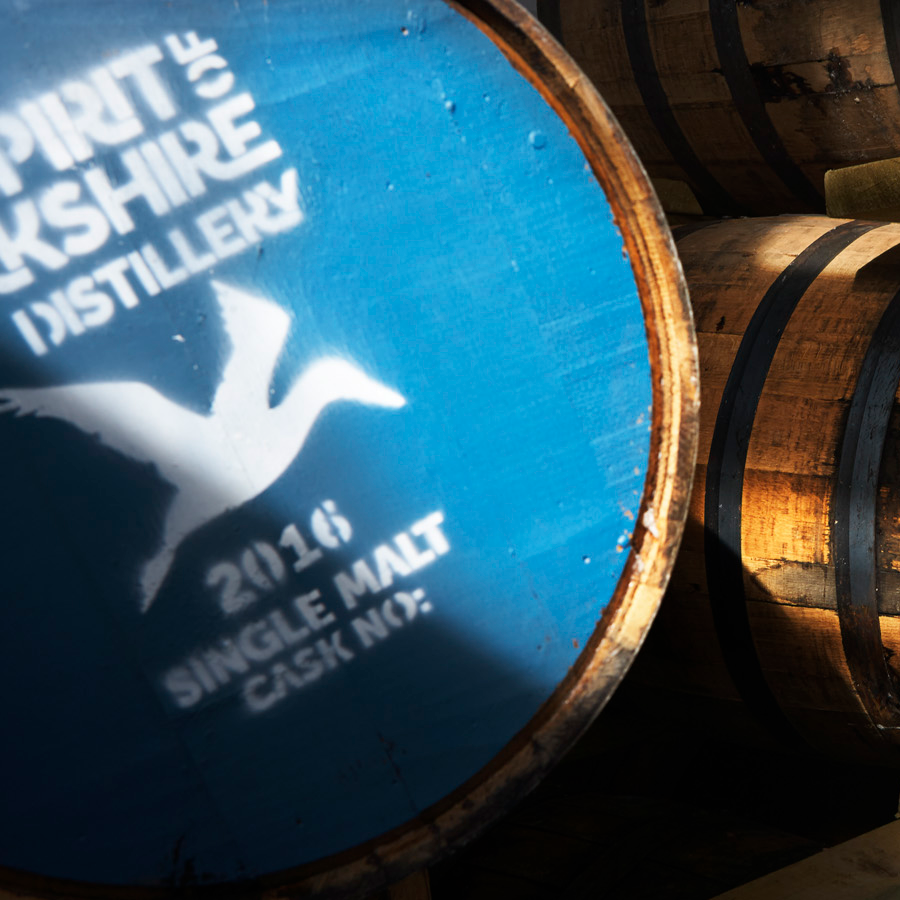
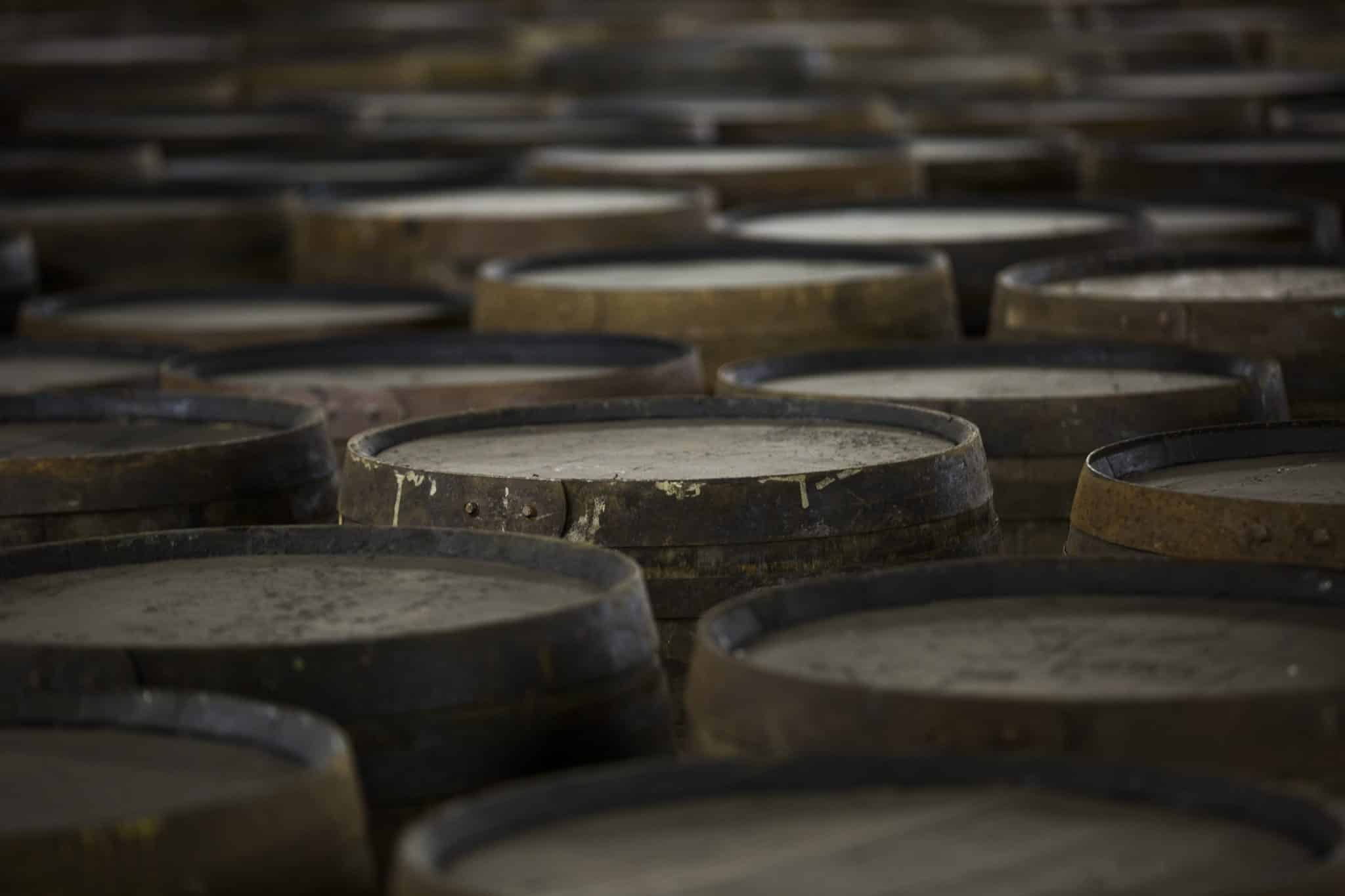
While some whisky escapes to the angels, another portion is absorbed into the oak itself. Barrels are crafted from white oak, a wood known for its strength and unique chemical properties, including a high concentration of tannins, vanillin, and lactones that contribute to the spirit’s flavour. When whisky is poured into a barrel, the liquid seeps into the porous wood, a process often referred to as soak-in.
During the early stages of maturation, the wood absorbs anywhere from 2–3 litres of liquid in a standard 200-litre cask. Over time, as the whisky expands and contracts with changes in temperature and humidity, the liquid penetrates deeper into the staves. This movement allows the whisky to extract more flavours from the wood while simultaneously leaving traces of its own character behind.
The Influence of Liquid Already Present in the Wood
The liquid absorbed by the barrel doesn’t remain neutral—it interacts with the whisky still within the cask. In many cases, barrels are not brand new; they may have been previously used to age bourbon, sherry, wine, or other spirits. These residual liquids, trapped within the wood’s fibres, play a significant role in shaping the flavour of the whisky.
- Ex-Bourbon Barrels: Whisky aged in barrels previously used for bourbon gains notes of vanilla, caramel, and toasted oak. The charred interior of bourbon barrels also contributes smoky undertones and additional sweetness from caramelised wood sugars.
- Sherry Casks: Whisky matured in ex-sherry casks often develops rich, fruity flavours such as dried fruits, raisins, and hints of spice. The residual sherry absorbed into the oak infuses the whisky with luxurious depth.
- Wine Casks: Barrels that have held wine impart unique flavours depending on the type of wine. For example, red wine casks may add berry notes and tannic structure, while white wine casks can introduce crisp, floral elements.
As the whisky continues to mature, it draws out these flavours from the liquid within the wood, creating a harmonious blend of the cask’s history and the spirit’s character.
How Absorption Shapes Flavour Over Time
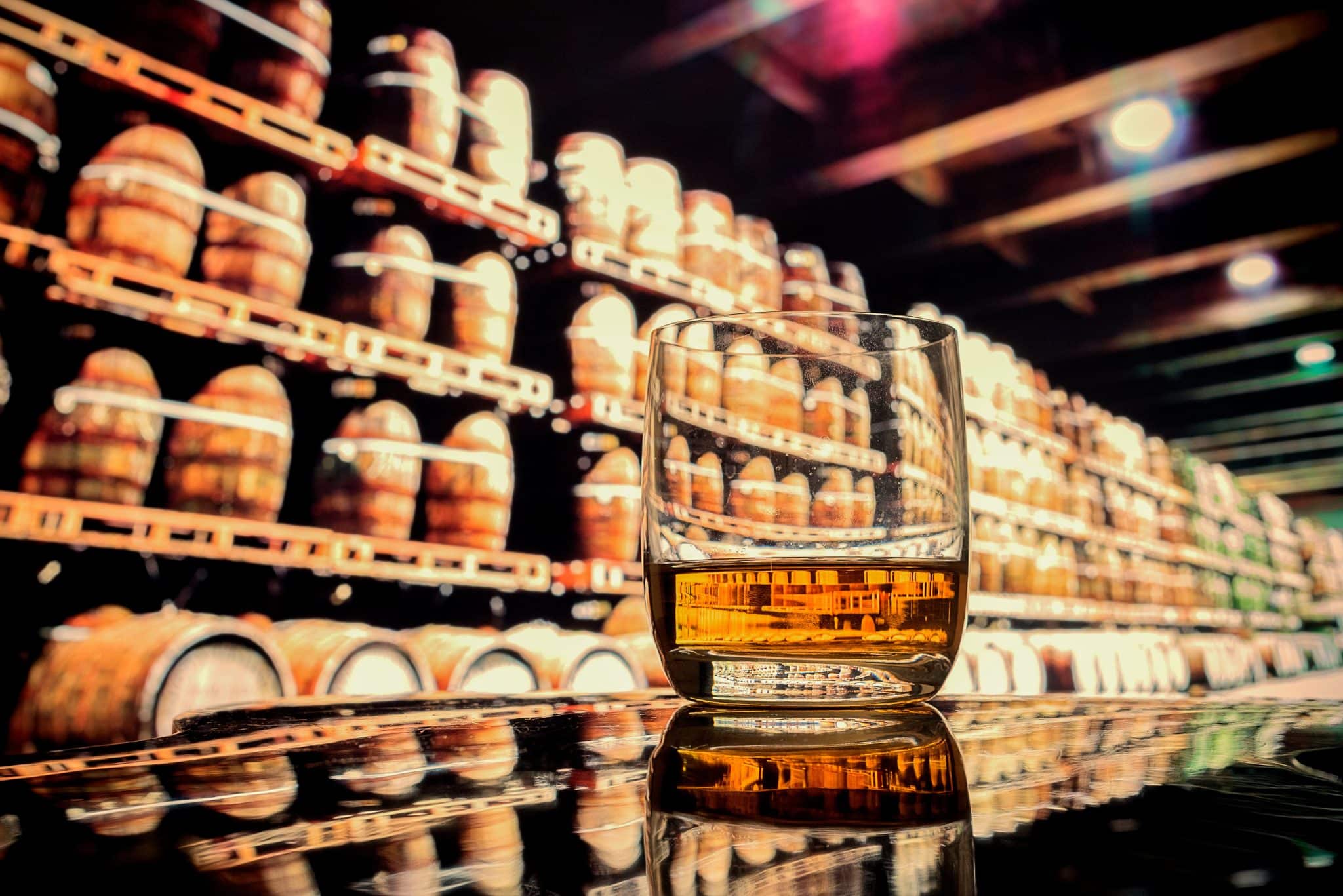
The absorption and release of whisky into the wood isn’t static—it evolves over time. In the early years of maturation, the whisky interacts more with the charred or toasted layer of the barrel, absorbing smoky, vanilla, and caramel notes. As it ages further, the whisky penetrates deeper into the staves, reaching wood that has absorbed more of the previous liquid.
This deeper interaction can add new layers of complexity to older whiskies, introducing subtle nuances that would not be present in younger spirits. For example, an older whisky aged in an ex-sherry cask may exhibit a pronounced richness and fruitiness, a result of the spirit reaching sherry-soaked layers of the wood.
The Angel’s Share and Its Role
While the absorption process contributes to flavour development, the angel’s share also plays a critical role in shaping the final spirit. The steady evaporation of alcohol and water alters the concentration of compounds within the whisky, intensifying flavours and smoothing out harsher elements.
Interestingly, the interplay between evaporation and absorption is influenced by environmental factors. In humid conditions, alcohol evaporates more quickly than water, reducing the whisky’s strength. In drier climates, water loss predominates, potentially increasing the alcohol content. These shifts, combined with the extraction of flavours from both the wood and residual liquids, result in a whisky that is both refined and complex.
The Romance and Costs of the Angel’s Share
For distillers, the angel’s share is a double-edged sword. While it enhances the whisky’s character, it also represents a considerable loss. Over decades of ageing, a significant portion of a cask can be lost to evaporation and absorption, sometimes leaving less than half of the original liquid. This scarcity is one reason why older whiskies are both rare and expensive.
Despite these challenges, the angel’s share is celebrated as part of whisky’s mystique. It speaks to the artistry and patience involved in crafting a spirit that balances natural processes with human expertise.
In Conclusion...
The angel’s share and the absorption of whisky into barrels are both integral to the spirit’s journey. While some whisky is lost to the heavens, and some absorbed into the oak, these processes are far from mere losses—they are the heart of whisky making. The interplay between spirit, wood, and environment creates a symphony of flavours, ensuring that every dram is as rich in story as it is in taste. So next time you raise a glass, spare a thought for the angels and the oak that made it possible.

