


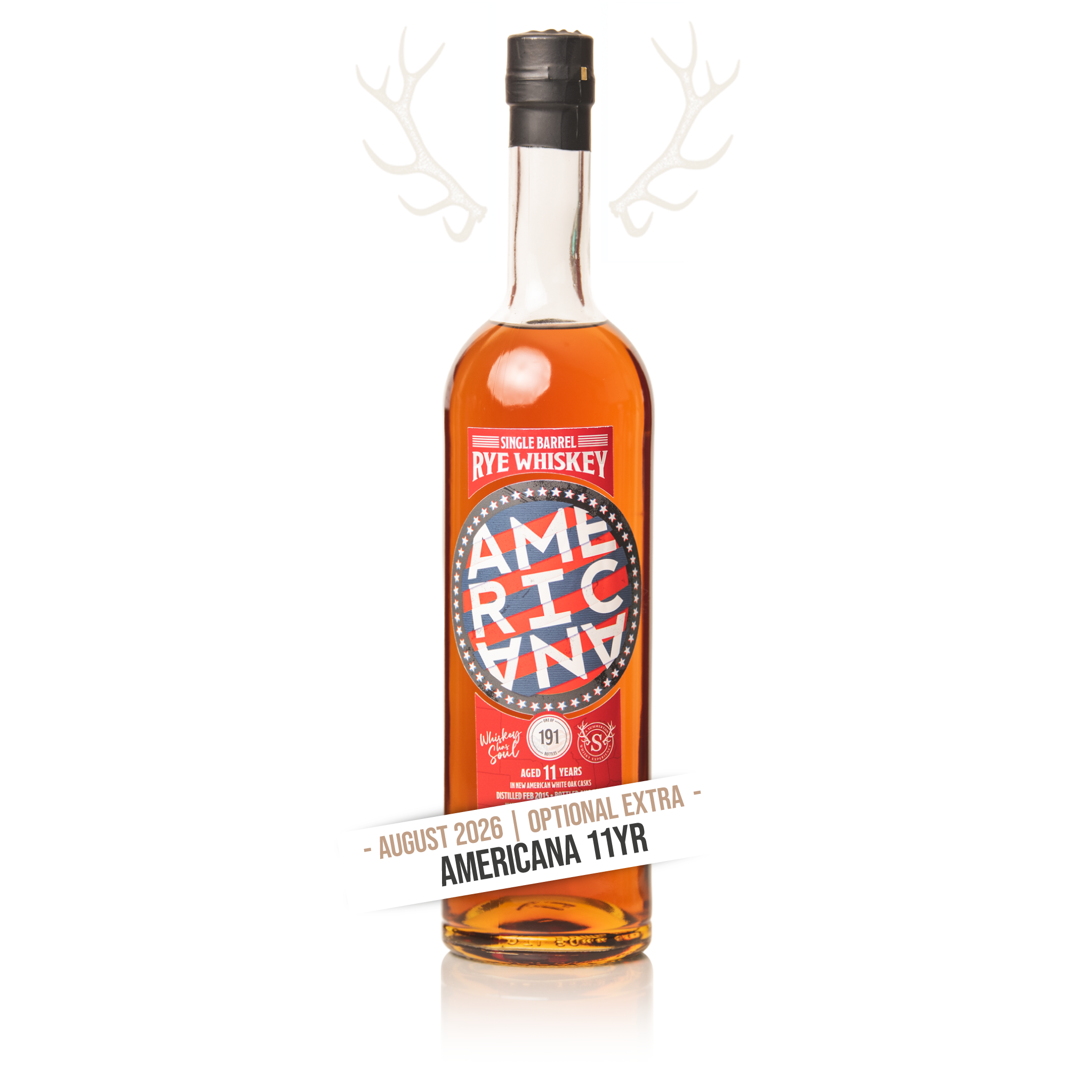





















































Whisky Revealed: Rye Whisky with John Cote


Welcome to the latest Summerton ClubWHISKY REVEALED
Learning about whisky from the experts...
Dan Humphrey (founder of Summerton Whisky Club) poses the question to John Cote (Black Fox Farm & Distillery Co-Founder):
How does making rye whisky differ from single malt?
“Making whisky from different grains is always interesting as there are so many variables that one would not consider if not for the actual experience of doing so.
To start at the beginning of the process, let’s think about the grain itself. Barley and rye are both grown widely in the Canadian Prairies. Our biggest concerns in the production of rye for the distillery are when we have dry years, we have very high protein and beta-glucan levels in the seeds and when we have wetter seasons, we can have problems with both fusarium and ergot fungal infections which adversely affect the quality. By carefully selecting the varieties and using good agronomic practices we can control most of these issues. Realistically though, this does not differ much from the production of barley in our area, with problems of disease affecting the quality of grain going to the maltster.

Meet the expert
John Cote, Black Fox Farm & Distillery
When we create rye whisky at Black Fox, we use 100% un-malted rye in our mash. This is done for a few reasons, much like a single malt, we want to showcase the flavour of the grain, not of a mixed mashbill. We also use unmalted rye in contrast to malted barley. This leads to some production differences that need to be worked through. The process of malting grain takes advantage of the naturally occurring enzyme amylase which breaks down the starches in the seeds to create fermentable sugars. When unmalted grains are used, we must use an alternate source of this enzyme. The alternate source is typically enzymes produced using a fungus called Aspergillus Oryzae (those of you familiar with the production of Sake will know this as Kogi.) By using these alternative sources of enzymes (which are not allowed in single malt production), it allows us to solve many of the problems that are typically synonymous with unmalted rye grain fermentation, such as extremely viscous mashes which are hard to handle, and it allows us to reduce our environmental footprint by circumventing the malting process. When we speak of viscous mashes, we are speaking of the thickness of the product that is fermented and eventually put into the still for distillation. This arises from two differences from malt whisky production and the way we produce a rye whisky. The first is that typically when malt whisky is made, the rolled malt is separated from the liquid, and only the liquid is put into the still. In contrast we use what is called a “grains in process”, where we grind the rye into a course flour (grist) and when we then add water and heat the mixture to help in the conversion of starch to sugars and with this process, we end up with a product that would be very similar to your porridge you would have for breakfast. The problem with rye is that it contains very high levels of beta-glucans which cause the mixture to become extremely thick and gummy, which in turn can adversely affect the fermentation and generally make the mash hard to handle. Thankfully though enzymes can be used to break down these beta glucans and make the mash easier to handle and more fermentable.
Once the fermentation is complete, the distillation process is quite similar to that of a malt whisky. The one difference we have noted here is that the cut points during the distillation are different when distilling all different grains. This is more of a distiller’s decision on what flavours you want to achieve in your end spirit. Rye is known for a certain spiciness which makes it unique and by watching your tails cut you can control how much of that spiciness is in the final distillate.
Maturing the new make spirit to become whisky is completed much the same manner in all grains. The few differences we have noted at Black Fox is that rye whisky seems to reach its peak of quality faster than a malt whisky would. I think this is more of what flavours work in a whisky and which don’t. A younger rye can be very interesting with the presence of some of the notes of the younger whisky being positive, whereas I feel in a malt whisky they would be considered unacceptable.

The final difference is of course what you end up with for a product. Malt whisky is widely known throughout the world and in general people know what to expect for flavours. In Canada we are extremely proud of our history with rye whisky, yet today, very little Canadian whisky is made with rye and because of this it is both exciting and frustrating introducing this whisky to consumers.
