Cocktail – Boulevardier
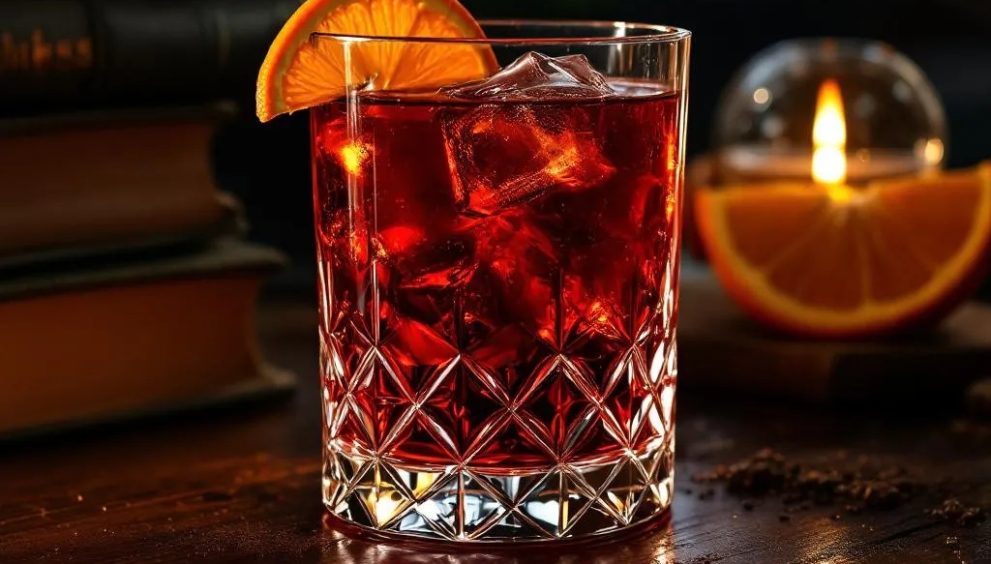
The Boulevardier is the whisky lover’s answer to the Negroni — a cocktail with European elegance, American swagger, and a literary soul.
First stirred into legend in the cafés of 1920s Paris, it marries the depth of whisky with Italian bittersweet sophistication. Decadent yet disciplined, this drink has become a cult favourite among bartenders and bon vivants alike.
Ingredients:
30ml bourbon or rye whiskey
30ml sweet vermouth
30ml Campari
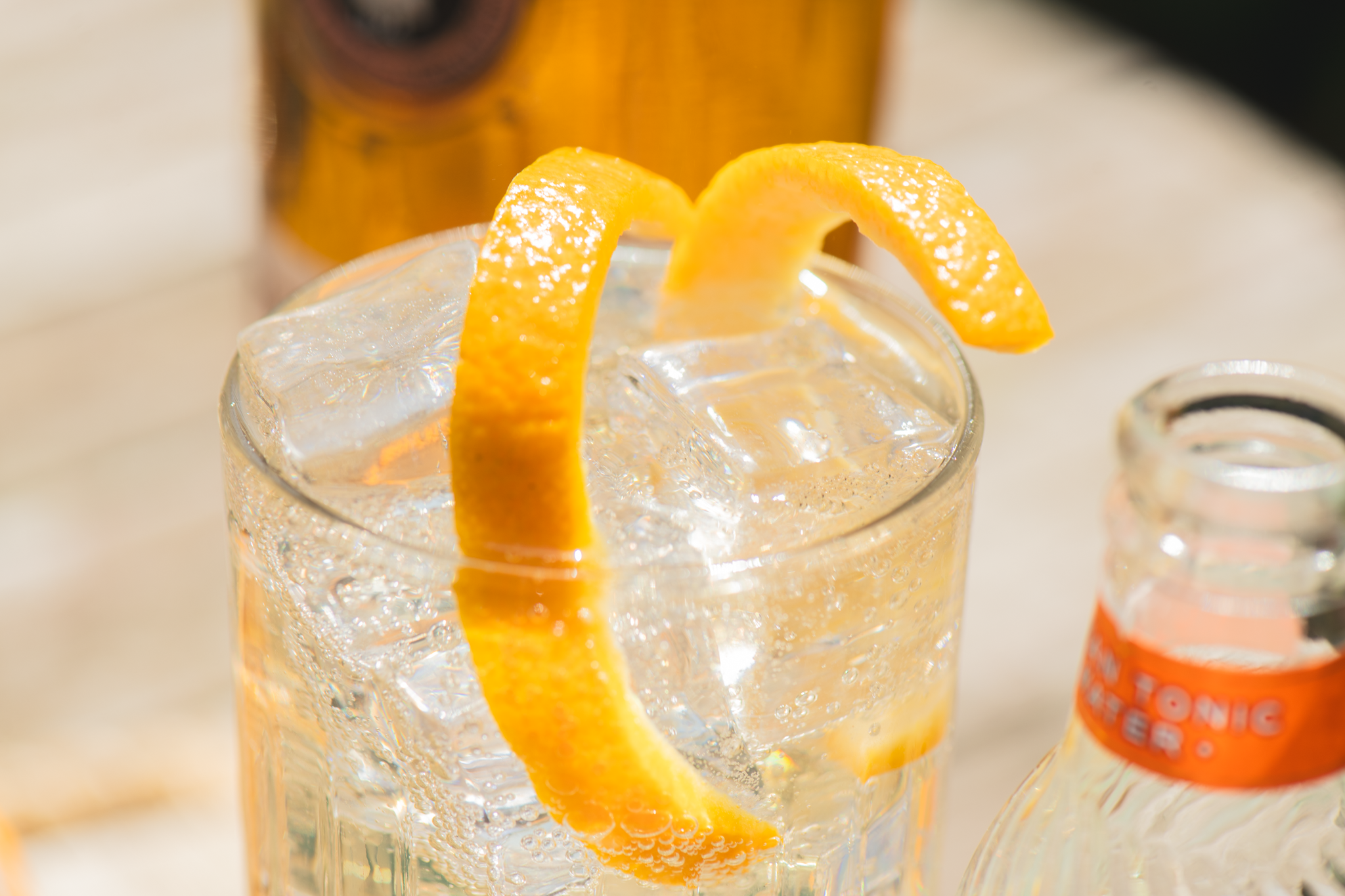
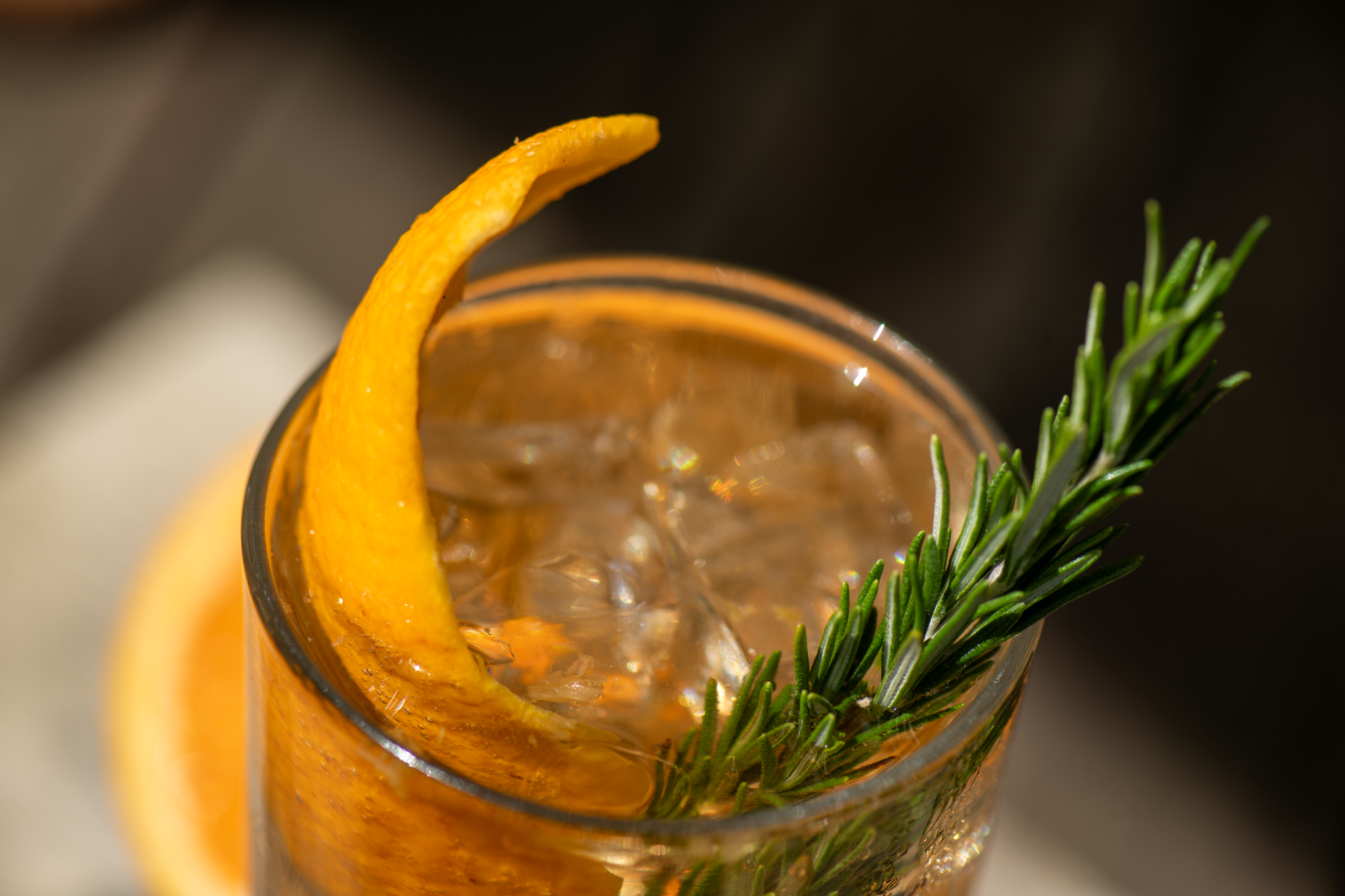
Orange peel (for garnish)
Preparation:
Add all ingredients to a mixing glass filled with ice.
Stir for 20–30 seconds until well chilled.
Strain into a chilled coupe or rocks glass over a large cube.
Express an orange peel over the top and garnish.
Hardware:
Glassware: Coupe or rocks glass
Tools: Mixing glass, bar spoon, strainer, citrus peeler
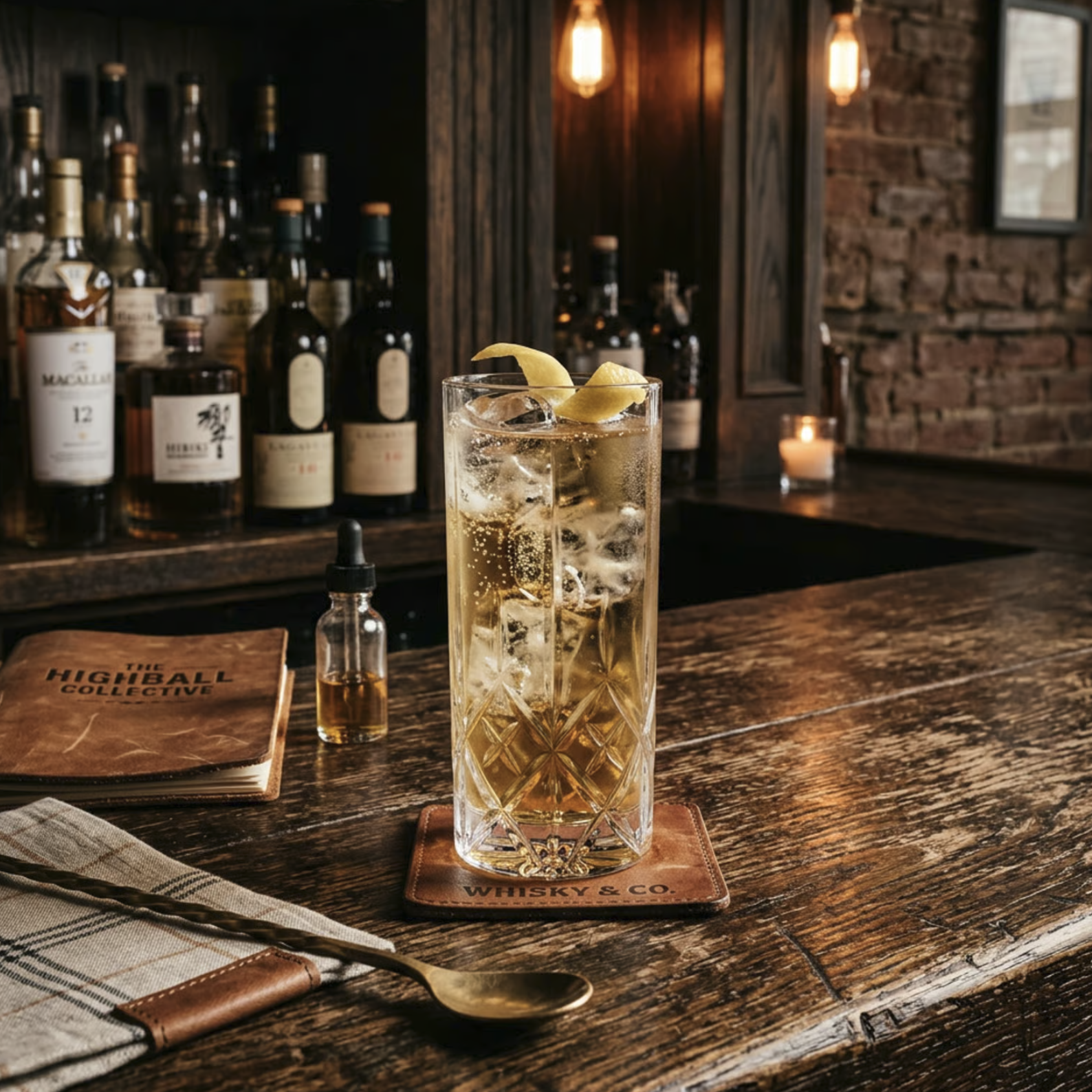
Velvety, bittersweet, and robust. The whisky adds depth and warmth, vermouth lends rich spice and sweetness, while Campari delivers a clean, bitter snap. Ideal for slow sipping in the evening — think study chairs, dim light, and jazz on the record player.
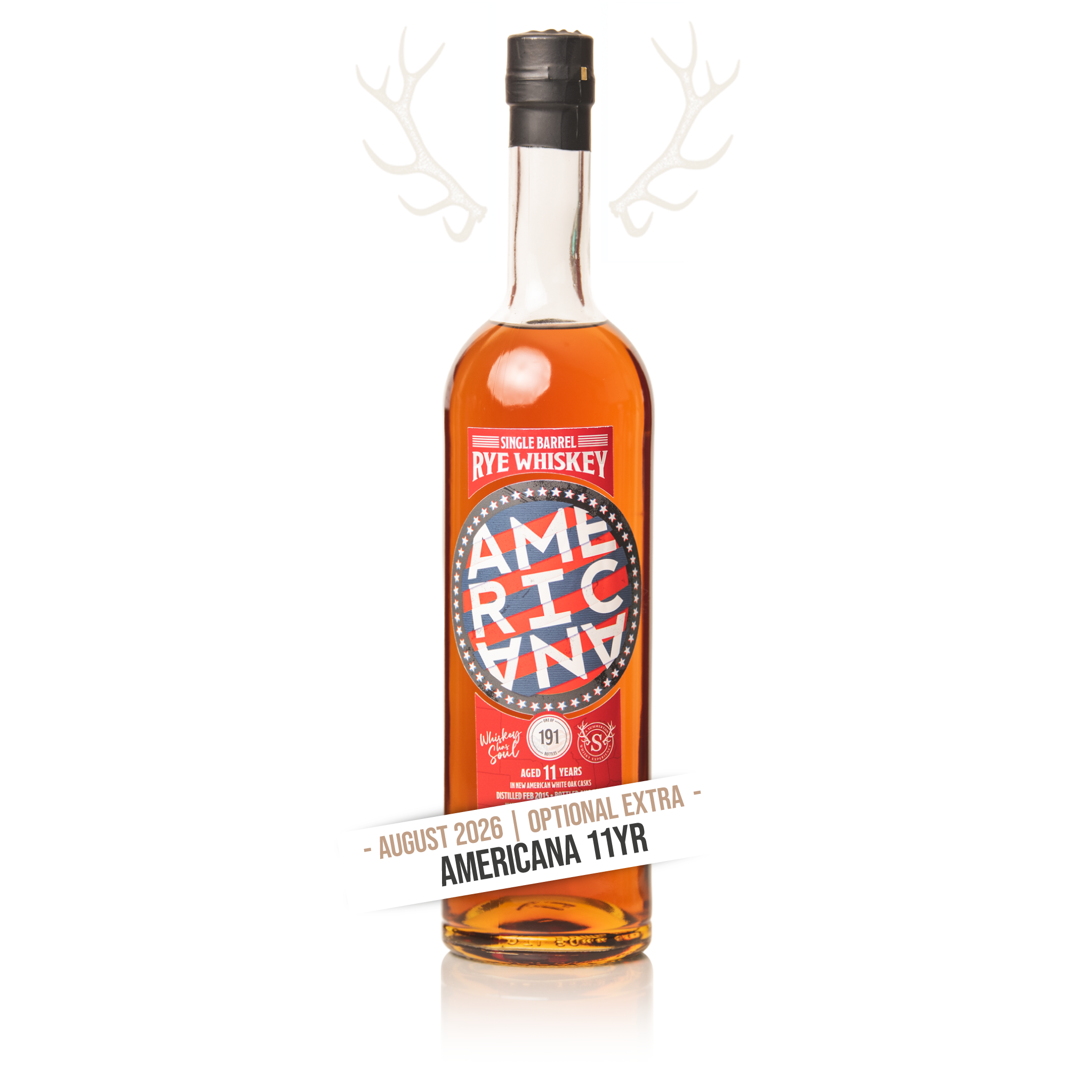
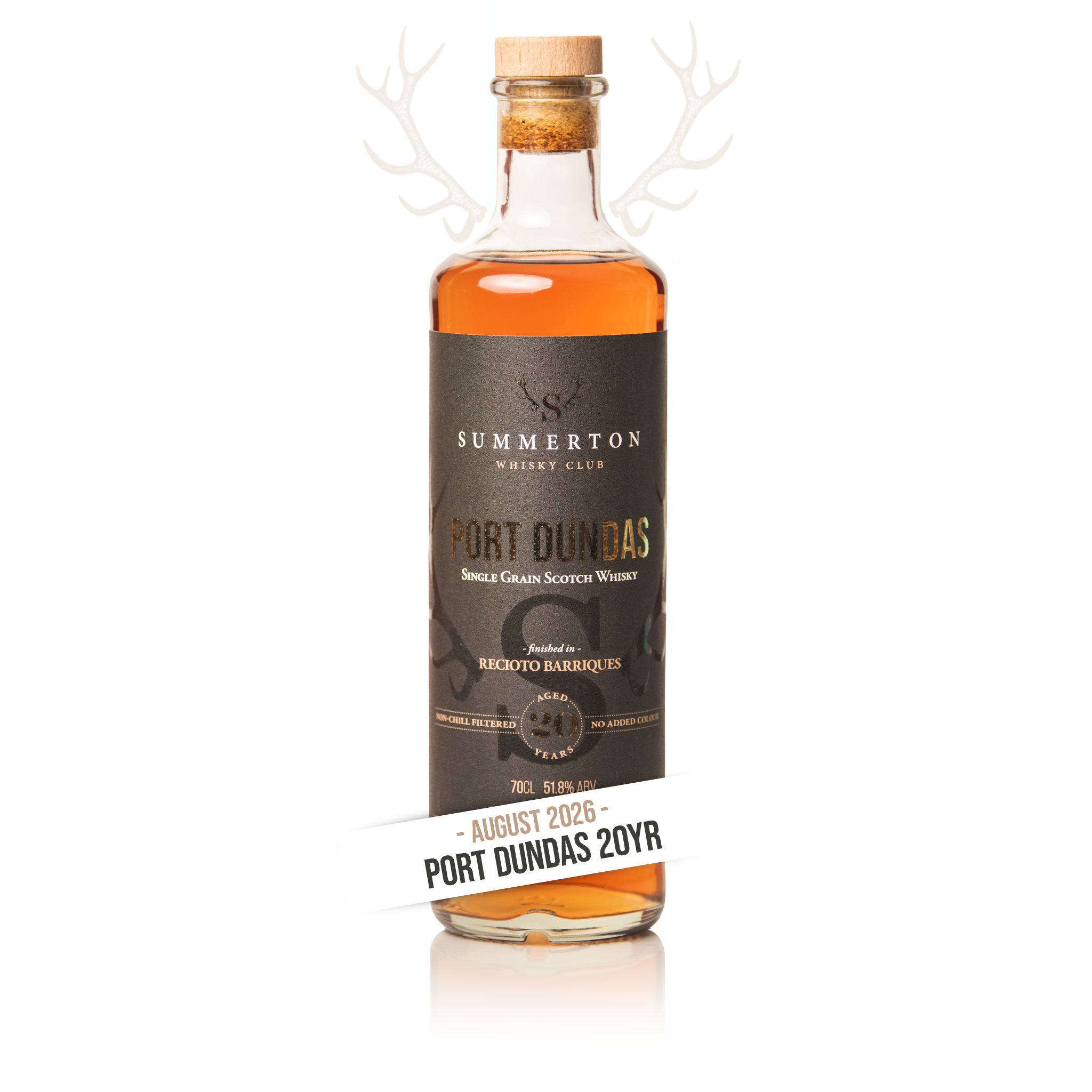
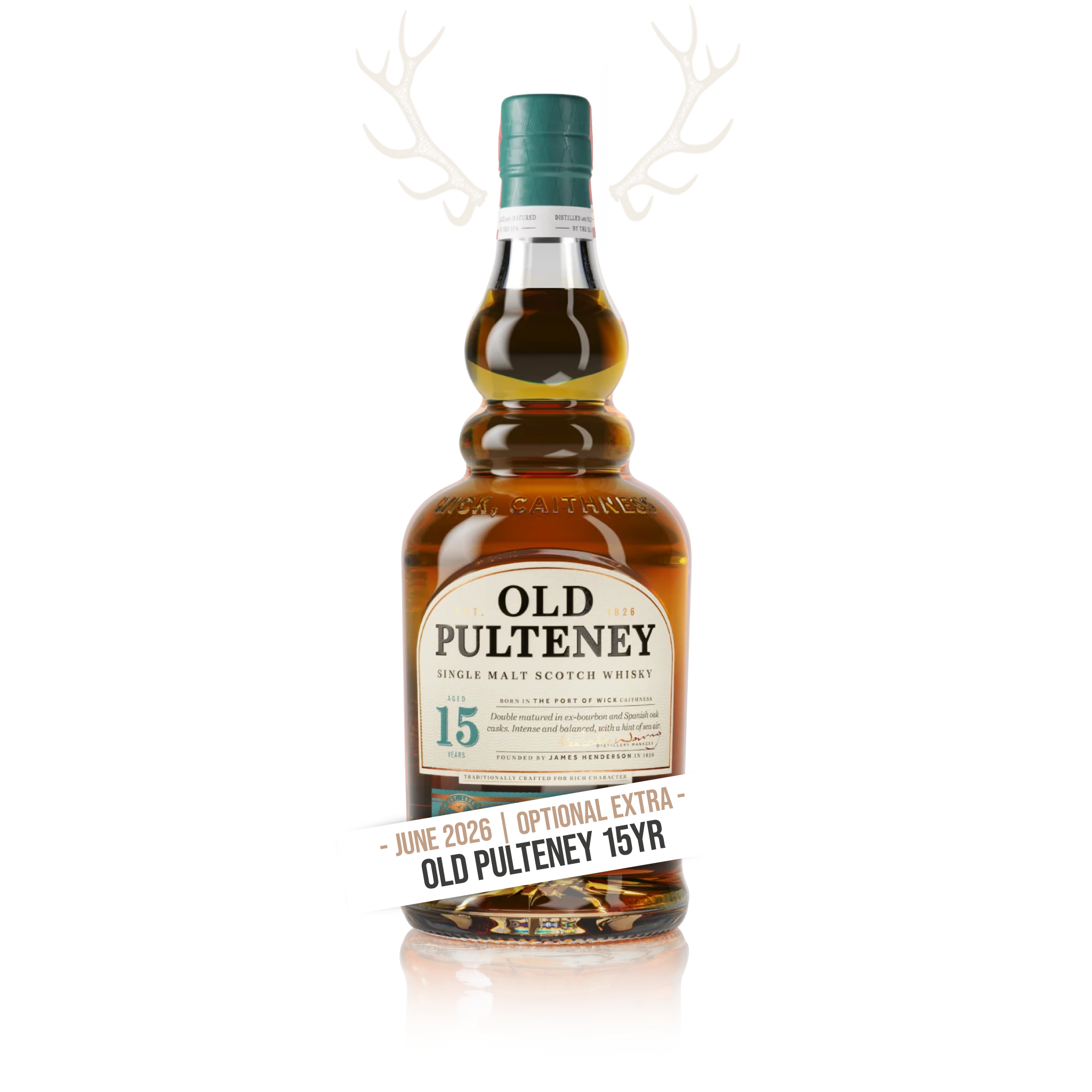
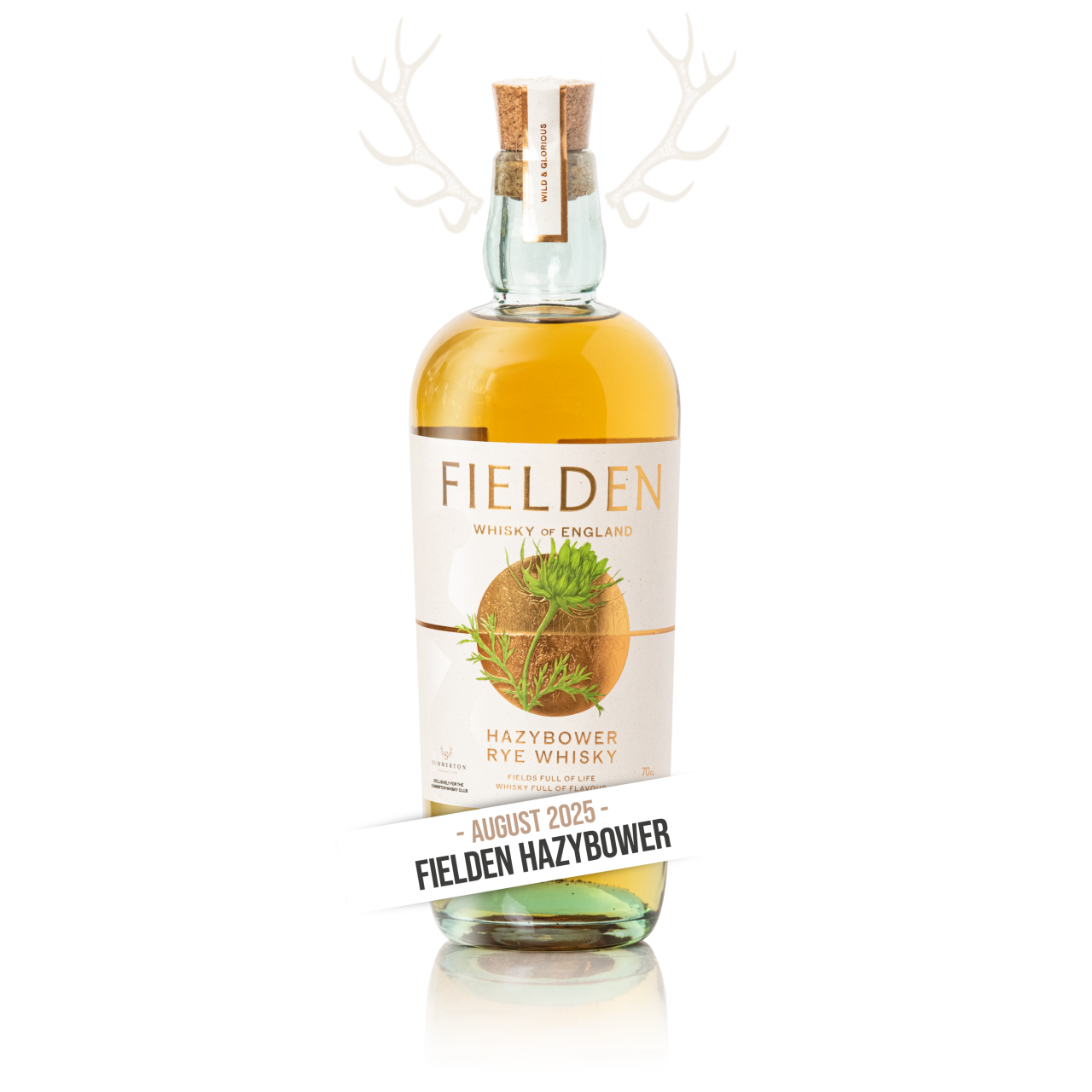
Choose a high-rye bourbon or rye whiskey for added spice, or a mellow lightly-peated Scotch for smoky intrigue.
Boulevardier Royale
Top the classic recipe with Champagne instead of serving it over ice — turning it into a festive, aperitivo-style spritz with elegant depth.
Smoky Boulevardier
Substitute a portion of the bourbon with peated Scotch for a smoky, woodfire twist. Works beautifully in colder months.
Other riffs include ageing the cocktail in mini barrels, or infusing the vermouth with coffee or cocoa nibs for added complexity.
What remains true: the three-part balance and bittersweet soul.
The Boulevardier emerged from the smoky salons of expatriate Paris during the Roaring Twenties, a time when jazz, café culture and American writers mingled with European flair. Its origin is tied to Harry McElhone, the famed bartender and owner of Harry’s New York Bar in Paris — a magnet for Americans living abroad post-Prohibition.
The cocktail took its name from the literary magazine The Boulevardier, published by Erskine Gwynne, an American socialite and writer who frequented Harry’s. In his 1927 book Barflies and Cocktails, McElhone credited Gwynne with inventing the drink — essentially a Negroni with bourbon (or rye) instead of gin. This small switch shifted the drink’s centre of gravity from crisp and botanical to warm, spicy and brooding.
Though it faded into relative obscurity mid-century, the Boulevardier was rediscovered in the 21st-century cocktail revival and has since earned its place as a classic — urbane, balanced, and irresistibly stylish.

In these recipes we haven’t specified the whisky to use, as you know what you like best, and it also allows you to experiment.
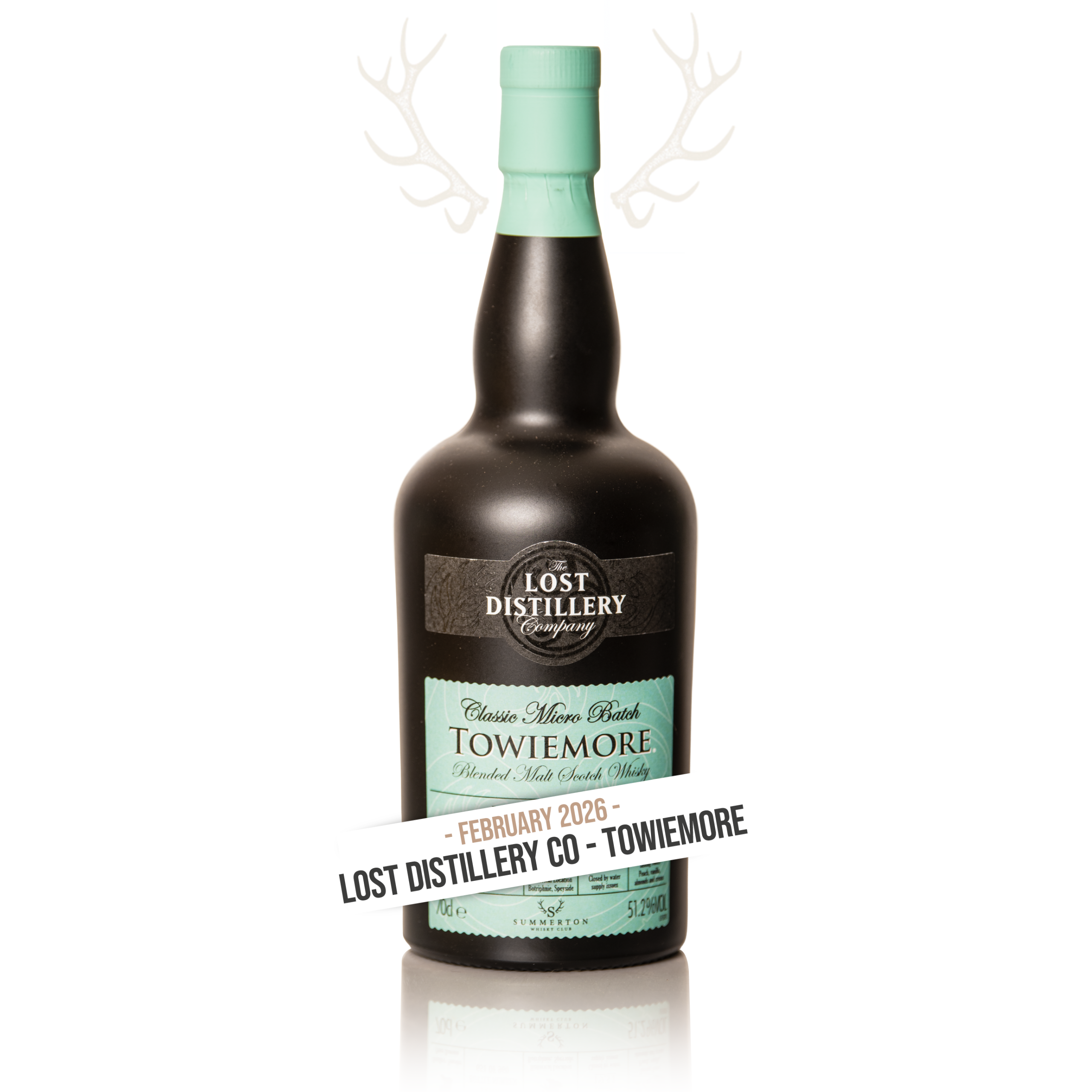
However, if you want a start, a good light, vanilla forward single malt to use would be The Glasgow Distillery’s Original. If you are looking to add some smokey depth, try The English Smokey, or if you want something fruity, try Arran Sherry Cask ‘The Bodega’.