





























How to Pronounce Scottish Distillery Names (and Where They Come From)
-
Tom Helme / 5 months
- 20th May 2026
- 0
- 10 min read
How To Pronounce Scotch Whisky Distillery Names
Scottish distillery names can be intimidating. Gaelic spellings, Norse influences and centuries of local dialect mean many names sound nothing like they look on paper.
So whether you’ve quietly avoided saying Bruichladdich out loud, stumbled over Bunnahabhain, or confidently pronounced Auchroisk completely wrong, this guide is here to help.
We’ve kept this practical. Each entry gives you a simple pronunciation, a little context, and, where the information is well established, the meaning or origin of the name.
Quick tip: many Scottish distillery names come from Gaelic descriptions of the landscape around them: bays, burns, glens, churches, hills, rivers and old settlements. Once you know that, the names start to feel much less mysterious.
The Big Ones People Get Wrong
| Distillery | Say It Like This |
|---|---|
| Auchentoshan | ock-en-TOSH-an |
| Bruichladdich | brook-LADD-ee |
| Bunnahabhain | boo-na-HAV-en |
| Caol Ila | kull-EE-la |
| Glen Garioch | glen GEER-ee |
| Auchroisk | OCK-risk |
| Dailuaine | dal-YOO-in |
| Teaninich | TEE-nin-ick |
| Tamdhu | tam-DOO |
| Edradour | ed-ra-DOWER |
Islay
Ardbeg
Pronounced: ARD-beg
Ardbeg is one of Islay’s most famous smoky malts. The name is usually translated from Gaelic as small headland or small promontory.
Bowmore
Pronounced: bow-MORE
Bowmore is straightforward to say, but still worth including. It is one of Scotland’s oldest licensed distilleries and sits on the shore of Loch Indaal.
Bruichladdich
Pronounced: brook-LADD-ee
Bruichladdich looks far more difficult than it sounds. The name is usually understood as coming from Gaelic for the slope or brae by the shore.
Bunnahabhain
Pronounced: boo-na-HAV-en
Bunnahabhain is one of Islay’s gentler drams and one of its more challenging names. The Gaelic Bun na h-Abhainne is commonly translated as mouth of the river or foot of the river.
Caol Ila
Pronounced: kull-EE-la
Caol Ila overlooks the narrow stretch of water between Islay and Jura. Its name comes from Gaelic Caol Ìle, meaning Sound of Islay.
Kilchoman
Pronounced: kil-HO-man
Kilchoman is one of Scotland’s few farm distilleries. The name is linked to Gaelic Cill Chomain, meaning church of St Comman.
Lagavulin
Pronounced: lag-uh-VOO-lin
Lagavulin is famous for deep, rich Islay smoke. The name is generally traced to Gaelic Lag a’ Mhuilinn, meaning hollow of the mill.
Laphroaig
Pronounced: la-FROYG
Laphroaig is loved and feared for its medicinal peat smoke. The name is usually described as Norse-influenced Gaelic, often interpreted as referring to a broad hollow by the bay.
Speyside
Aberlour
Pronounced: AB-er-lower
Aberlour is a classic Speyside name. It is usually traced to Gaelic Obar Lobhair, meaning mouth of the loud brook.
Allt-á-Bhainne
Pronounced: alt-a-VAN-ya
Allt-á-Bhainne is a serious tongue-twister. The name is commonly translated as burn of milk or milky burn.
Auchroisk
Pronounced: OCK-risk
Auchroisk is one of Speyside’s great pronunciation traps. The name is generally interpreted as field of the moor.
Balvenie
Pronounced: bal-VEN-ee
The Balvenie takes its name from nearby Balvenie Castle. The distillery is known for traditional floor maltings and a rich Speyside style.
Benriach
Pronounced: ben-REE-ack
Benriach is often linked to Gaelic words interpreted as grey mountain or speckled mountain.
Benromach
Pronounced: ben-ROH-mack
Benromach is a Forres distillery known for a lightly smoky, old-style Speyside character. The name is usually treated as Gaelic in origin.
Cardhu
Pronounced: car-DOO
Cardhu is a historic Speyside distillery with strong links to the Walker family story. The name is commonly translated as black rock.
Craigellachie
Pronounced: cry-GELL-uh-key
Craigellachie comes from Gaelic Creag Eallaich, usually understood as rocky hill.
Dailuaine
Pronounced: dal-YOO-in
Dailuaine is a name many whisky drinkers see in independent bottlings. It is commonly translated from Gaelic as green valley.
Glenallachie
Pronounced: glen-AL-a-key
Glenallachie is a Speyside distillery that has become much better known in recent years. The name is often linked to a rocky or stony valley interpretation.
Glenburgie
Pronounced: glen-BUR-gee
Glenburgie is often seen in blends and independent bottlings. Its pronunciation is fairly kind once you know not to overwork the final syllable.
Glen Elgin
Pronounced: glen EL-gin
Glen Elgin is pronounced largely as written. The name ties the distillery to the Moray town of Elgin.
Glenfarclas
Pronounced: glen-FARK-lass
Glenfarclas is one of Speyside’s great sherried malts. The name is commonly translated as valley of the green grass.
Glenfiddich
Pronounced: glen-FID-ick
Glenfiddich means valley of the deer, which explains the stag emblem used by the distillery.
Glen Grant
Pronounced: glen GRANT
Glen Grant is one of the easier Speyside names and takes its name from the Grant family associated with the distillery.
Glen Keith
Pronounced: glen KEETH
Glen Keith is named for its location near Keith in Speyside. The pronunciation is as straightforward as it looks.
Glenlivet
Pronounced: glen-LIV-it
The Glenlivet takes its name from the valley of the River Livet. It remains one of the most recognised Speyside single malts in the world.
Glenlossie
Pronounced: glen-LOSS-ee
Glenlossie is named for the River Lossie area near Elgin. It is much more often encountered through blends than as a widely available official single malt.
Glentauchers
Pronounced: glen-TOCK-ers
Glentauchers is another name more familiar from independent bottlings and blends. The pronunciation is usually much softer than the spelling suggests.
Knockando
Pronounced: knock-AN-doo
Knockando is commonly linked to Gaelic meaning little black hill.
Linkwood
Pronounced: LINK-wood
Linkwood is simple to say and has long been prized by blenders for its elegant Speyside character.
Longmorn
Pronounced: long-MORN
Longmorn is pronounced more or less as it looks. It is a respected Speyside malt with a long-standing reputation among whisky makers.
Macallan
Pronounced: ma-CAL-an
The Macallan is one of Scotland’s most famous distilleries. The name is connected to the old parish and estate name of Easter Elchies.
Mannochmore
Pronounced: man-ock-MORE
Mannochmore is another Speyside name more often seen by whisky enthusiasts than casual drinkers. Its name is commonly linked to the local Mannoch area.
Mortlach
Pronounced: mort-LACK
Mortlach is known for a meaty, weighty spirit. The name is pronounced with a clear final “lack”, not “latch”.
Speyburn
Pronounced: SPAY-burn
Speyburn takes its name from the River Spey and the Scots word “burn”, meaning stream.
Strathisla
Pronounced: strath-EYE-la
Strathisla is one of Scotland’s most photogenic distilleries. The name refers to the strath, or broad valley, of the River Isla.
Tamdhu
Pronounced: tam-DOO
Tamdhu comes from Gaelic Tom Dubh, meaning black hill.
Tamnavulin
Pronounced: tam-na-VOO-lin
Tamnavulin is commonly translated as mill on the hill.
Tomintoul
Pronounced: tom-in-TOWL
Tomintoul takes its name from the nearby village, one of the highest villages in the Highlands.
Tormore
Pronounced: tor-MORE
Tormore is a Speyside distillery with a distinctive architectural style. The name is commonly read as Gaelic for big hill.
Highlands
Aberfeldy
Pronounced: ab-er-FEL-dee
Aberfeldy is named for the Perthshire town. “Aber” place-names usually refer to a river mouth or confluence.
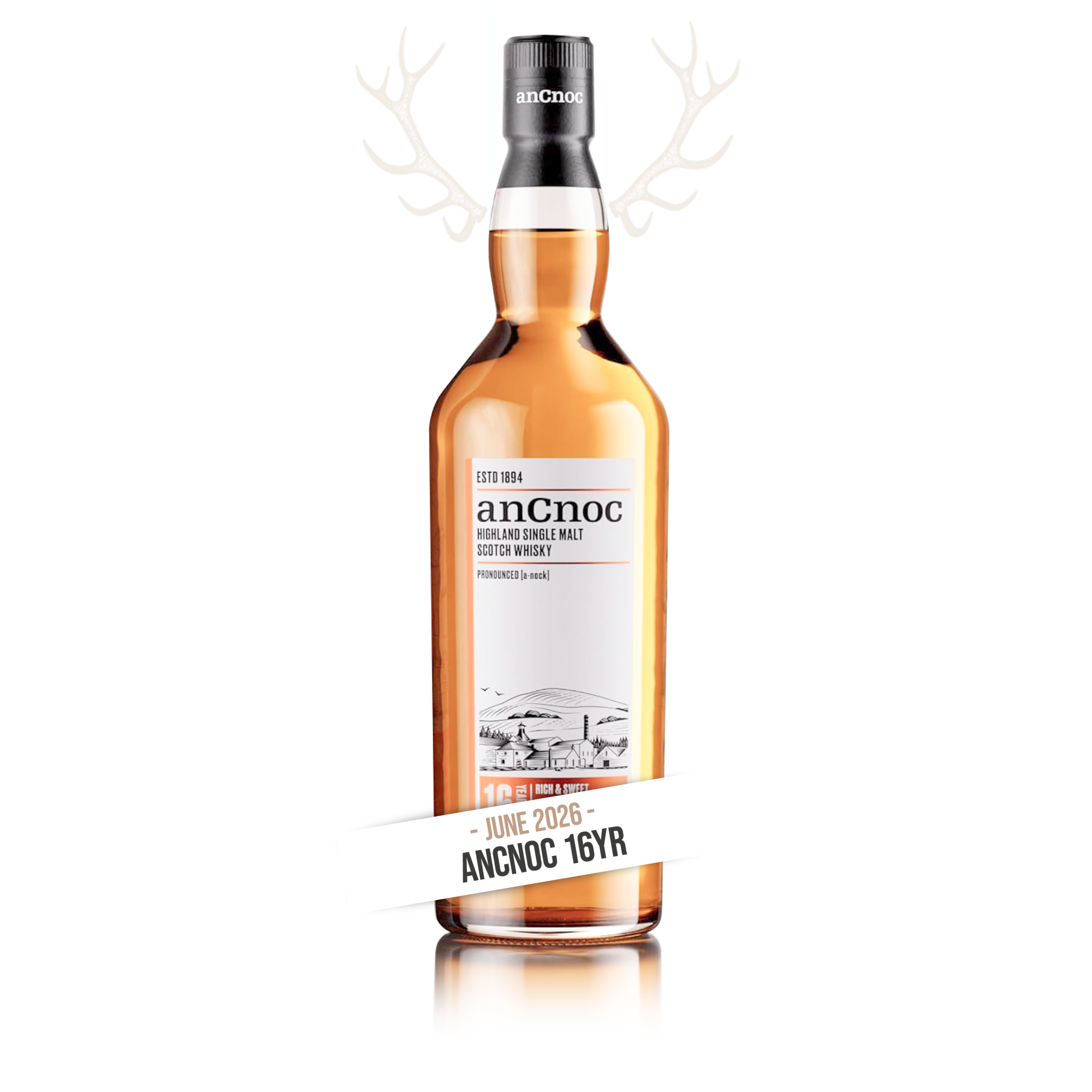
AnCnoc
Pronounced: a-NOCK
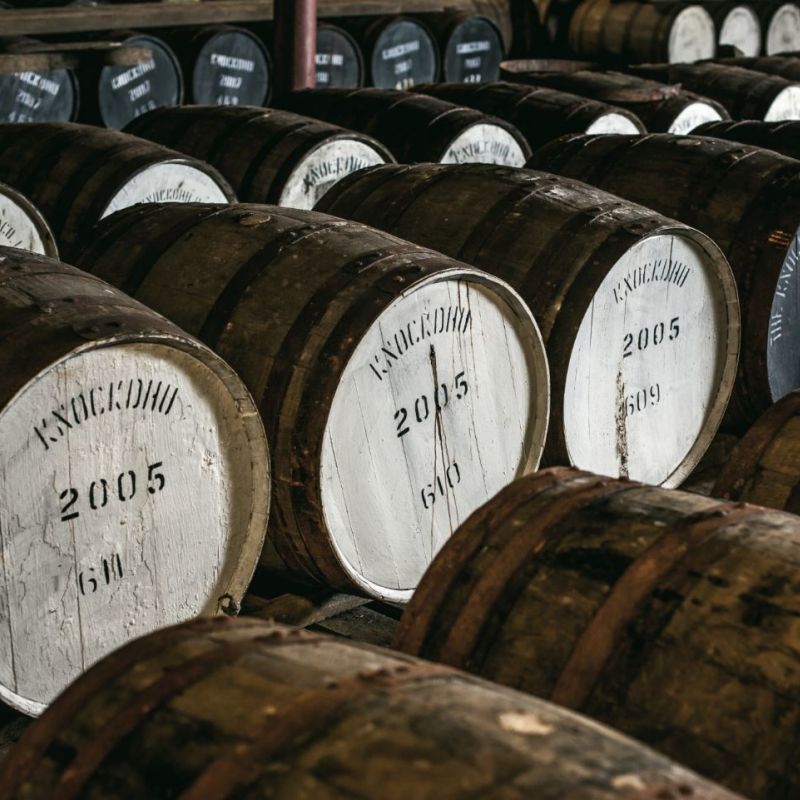
AnCnoc is produced at Knockdhu Distillery. The name means the hill in Gaelic.
Ardmore
Pronounced: ard-MORE
Ardmore is usually understood from Gaelic as big height or great headland, depending on local usage.
Balblair
Pronounced: bal-BLAIR
Balblair is one of the older Highland distilleries. The name is often interpreted as town or settlement on the plain.
Blair Athol
Pronounced: blair ATH-ol
Blair Athol takes its name from the surrounding Perthshire area. “Blair” usually refers to a plain or field.
Clynelish
Pronounced: KLYNE-lish
Clynelish is known for a distinctive waxy character. The name is linked to the historic parish of Clyne in Sutherland.
Dalmore
Pronounced: dal-MORE
Dalmore is commonly translated as big meadow or great field.
Dalwhinnie
Pronounced: dal-WIN-ee
Dalwhinnie is commonly translated as meeting place, reflecting its position on old routes through the Highlands.
Deanston
Pronounced: DEEN-ston
Deanston is based in a former cotton mill on the River Teith. The name is pronounced as written.
Edradour
Pronounced: ed-ra-DOWER
Edradour is often linked to Gaelic meaning between two waters.
Fettercairn
Pronounced: fetter-CAIRN
Fettercairn is a Highland distillery whose name is commonly connected to a wooded slope or hillside near a cairn.
Glencadam
Pronounced: glen-CAD-am
Glencadam is pronounced much as it appears. It is based in Brechin and known for a bright Highland style.
GlenDronach
Pronounced: glen-DRAW-nack
GlenDronach is a favourite among sherry-cask fans. The exact place-name interpretation varies, so it is safest to treat it as a historic local name rather than forcing a neat translation.
Glenglassaugh
Pronounced: glen-GLASS-och
Glenglassaugh sits near Sandend Bay. The name is often linked to Gaelic elements describing a green or grey valley.
Glen Garioch
Pronounced: glen GEER-ee
Glen Garioch is one of Scotland’s oldest operating distilleries. The pronunciation reflects local Doric influence in Aberdeenshire.
Glenmorangie
Pronounced: glen-MOR-an-jee
Glenmorangie is often linked to Gaelic meaning valley of tranquillity or similar interpretations, though exact translations can vary.
Oban
Pronounced: OH-ban
Oban means little bay in Gaelic. The distillery sits in the heart of the west coast town.
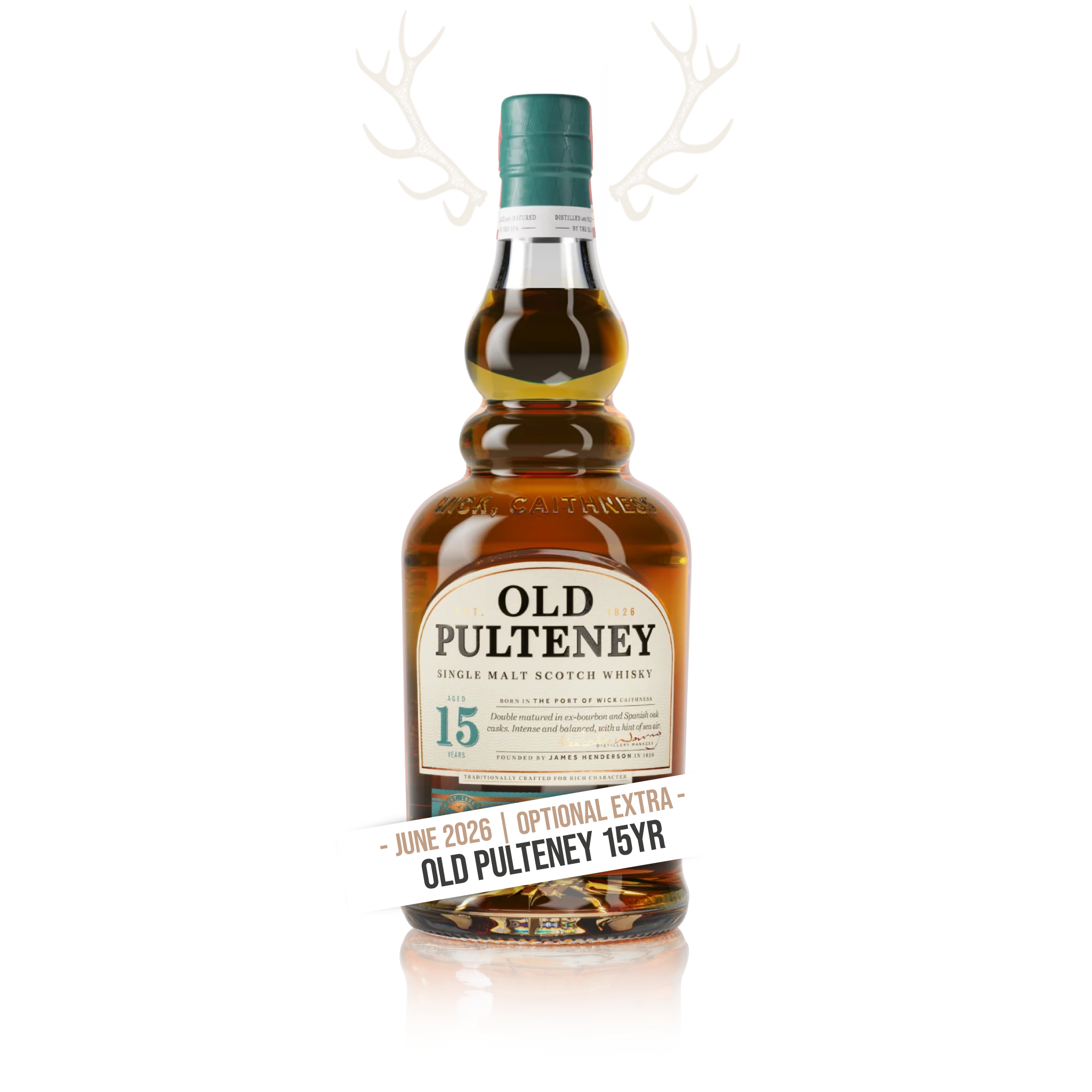
Old Pulteney
Pronounced: old PULT-nee
Old Pulteney is named after the Pulteneytown area of Wick, historically associated with the herring trade.
Royal Lochnagar
Pronounced: royal lock-na-GAR
Royal Lochnagar takes its name from nearby Lochnagar, a mountain close to Balmoral.
Teaninich
Pronounced: TEE-nin-ick
Teaninich is one of those names that looks more difficult than it sounds once heard aloud. It is a Highland workhorse distillery, much of its spirit historically used for blending.
Tomatin
Pronounced: tom-AT-in
Tomatin is often translated as hill of the juniper bush.
Tullibardine
Pronounced: tully-BAR-din
Tullibardine is commonly linked to Gaelic meaning lookout hill or hill of warning.
Islands
Arran / Lochranza
Pronounced: ARR-an / lock-RAN-za
Arran is simple enough, but Lochranza is worth noting. The distillery sits in the village of Lochranza on the Isle of Arran.
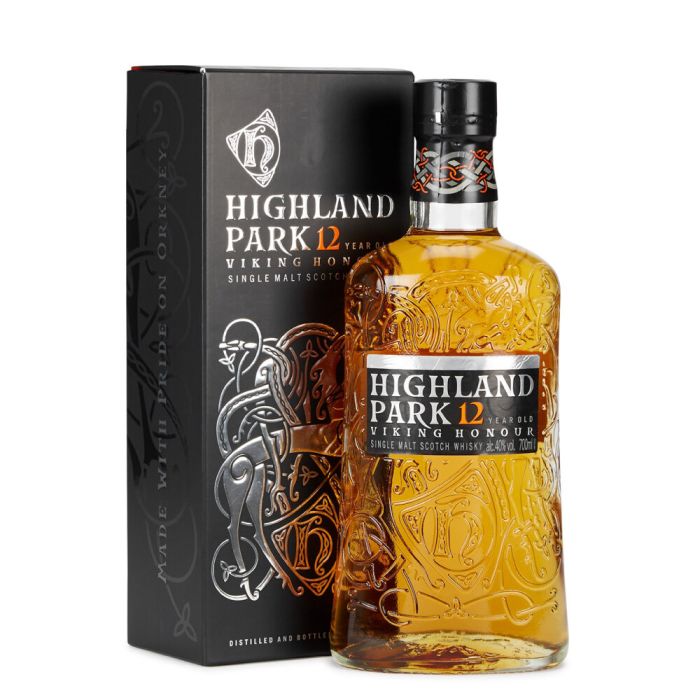
Highland Park
Pronounced: HIGH-land park
Highland Park is one of Orkney’s best-known distilleries. The name is not Gaelic but refers to the area known as High Park.
Jura
Pronounced: JOO-ra
Jura is usually linked to Old Norse, often interpreted as deer island.
Scapa
Pronounced: SKA-pa
Scapa takes its name from Scapa Flow in Orkney. The wider place-name heritage of Orkney is strongly Norse.
Talisker
Pronounced: TAL-is-ker
Talisker is the best-known distillery on Skye. The name comes from a nearby estate and is Norse in origin.
Torabhaig
Pronounced: TOR-uh-vayg
Torabhaig is a newer Skye distillery. The name has Norse roots, reflecting the wider Viking influence across the island.
Tobermory
Pronounced: toh-ber-MORE-ee
Tobermory takes its name from Gaelic Tobar Mhoire, meaning Mary’s well.
Campbeltown
Glen Scotia
Pronounced: glen SKOH-sha
Glen Scotia is one of Campbeltown’s surviving distilleries and is relatively simple to pronounce.
Springbank
Pronounced: SPRING-bank
No Gaelic gymnastics here. Springbank is pronounced exactly as it looks.
Glengyle / Kilkerran
Pronounced: glen-GYLE / kil-KERR-an
Kilkerran is produced at Glengyle Distillery. The Kilkerran name refers to St Kerran and avoids confusion with another whisky brand using the Glengyle name.
Lowlands
Auchentoshan
Pronounced: ock-en-TOSH-an
Auchentoshan is known for triple distillation, unusual in Scotch whisky. The name comes from Gaelic Achadh an Oisein, meaning corner of the field.
Bladnoch
Pronounced: BLAD-nock
Bladnoch is named after the River Bladnoch in Galloway.
Daftmill
Pronounced: DAFT-mill
Daftmill is a small farm distillery in Fife. The name is pronounced exactly as written.
Glenkinchie
Pronounced: glen-KIN-chee
Glenkinchie is one of the classic Lowland names and takes its name from its glen location near the Kinchie Burn.
Kingsbarns
Pronounced: KINGS-barns
Kingsbarns is named after the Fife village. It is one of the easier names in this guide, thankfully.
Full Pronunciation Cheat Sheet
| Distillery | Pronunciation |
|---|---|
| Aberfeldy | ab-er-FEL-dee |
| Aberlour | AB-er-lower |
| Allt-á-Bhainne | alt-a-VAN-ya |
| AnCnoc | a-NOCK |
| Ardbeg | ARD-beg |
| Ardmore | ard-MORE |
| Ardnamurchan | ard-na-MURR-kun |
| Auchentoshan | ock-en-TOSH-an |
| Auchroisk | OCK-risk |
| Balblair | bal-BLAIR |
| Balvenie | bal-VEN-ee |
| Benriach | ben-REE-ack |
| Benromach | ben-ROH-mack |
| Blair Athol | blair ATH-ol |
| Bowmore | bow-MORE |
| Bruichladdich | brook-LADD-ee |
| Bunnahabhain | boo-na-HAV-en |
| Caol Ila | kull-EE-la |
| Cardhu | car-DOO |
| Clynelish | KLYNE-lish |
| Craigellachie | cry-GELL-uh-key |
| Dailuaine | dal-YOO-in |
| Dalmore | dal-MORE |
| Dalwhinnie | dal-WIN-ee |
| Deanston | DEEN-ston |
| Edradour | ed-ra-DOWER |
| Fettercairn | fetter-CAIRN |
| Glen Garioch | glen GEER-ee |
| Glenallachie | glen-AL-a-key |
| GlenDronach | glen-DRAW-nack |
| Glenfarclas | glen-FARK-lass |
| Glenfiddich | glen-FID-ick |
| Glenglassaugh | glen-GLASS-och |
| Glenkinchie | glen-KIN-chee |
| Glenlivet | glen-LIV-it |
| Glenmorangie | glen-MOR-an-jee |
| Glentauchers | glen-TOCK-ers |
| Highland Park | HIGH-land park |
| Jura | JOO-ra |
| Kilchoman | kil-HO-man |
| Knockando | knock-AN-doo |
| Lagavulin | lag-uh-VOO-lin |
| Laphroaig | la-FROYG |
| Mortlach | mort-LACK |
| Oban | OH-ban |
| Scapa | SKA-pa |
| Strathisla | strath-EYE-la |
| Talisker | TAL-is-ker |
| Tamdhu | tam-DOO |
| Teaninich | TEE-nin-ick |
| Tobermory | toh-ber-MORE-ee |
| Torabhaig | TOR-uh-vayg |
| Tomatin | tom-AT-in |
| Tullibardine | tully-BAR-din |
Final Dram
Scottish distillery names rarely reward guesswork. Gaelic, Norse and regional dialects all leave their mark, which is part of what makes Scotch whisky so rich in character before the bottle has even been opened.
And remember, if you mispronounce one after a dram or two, there’s a fair chance everyone else around the table was quietly wondering how to say it as well.