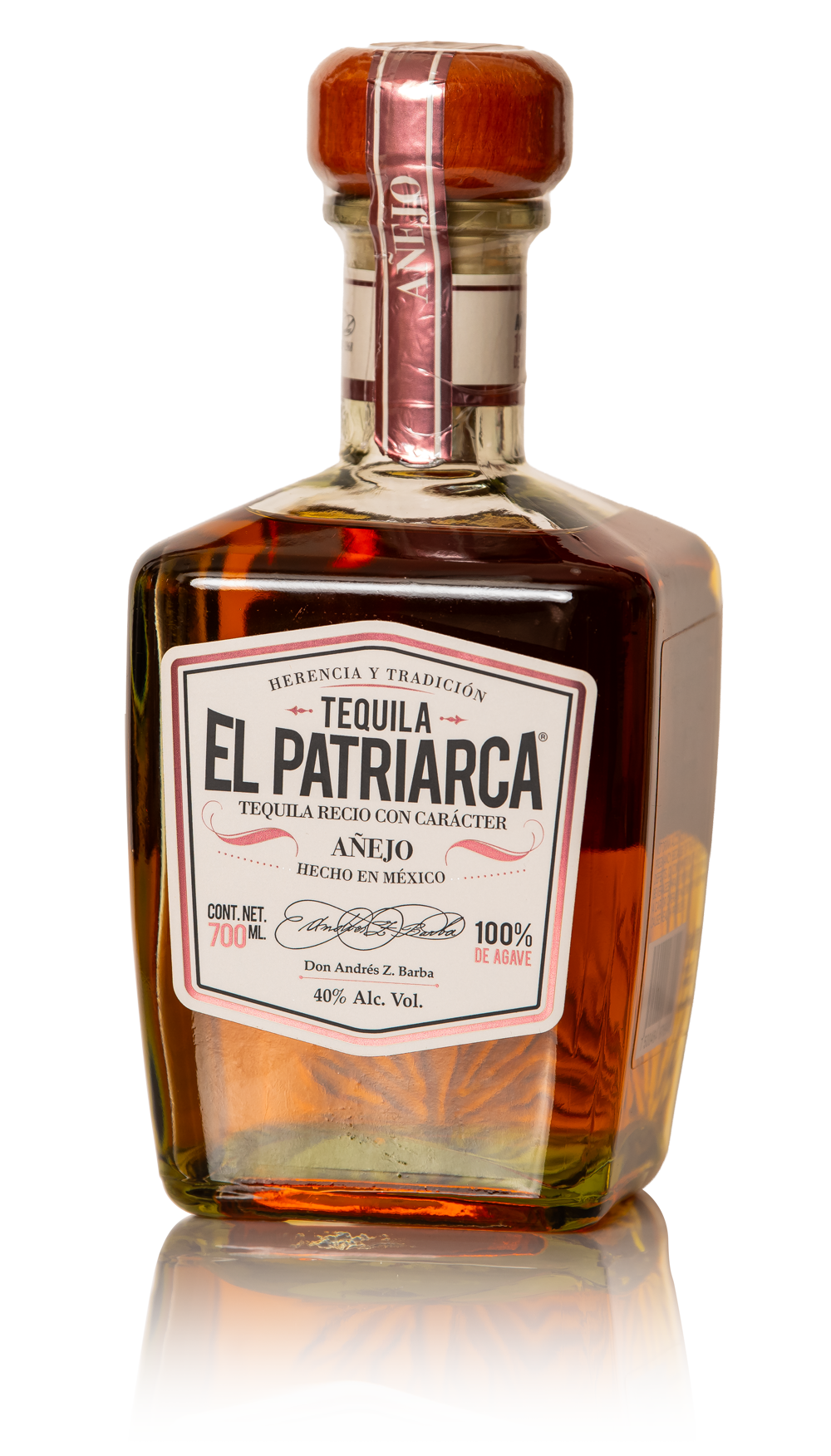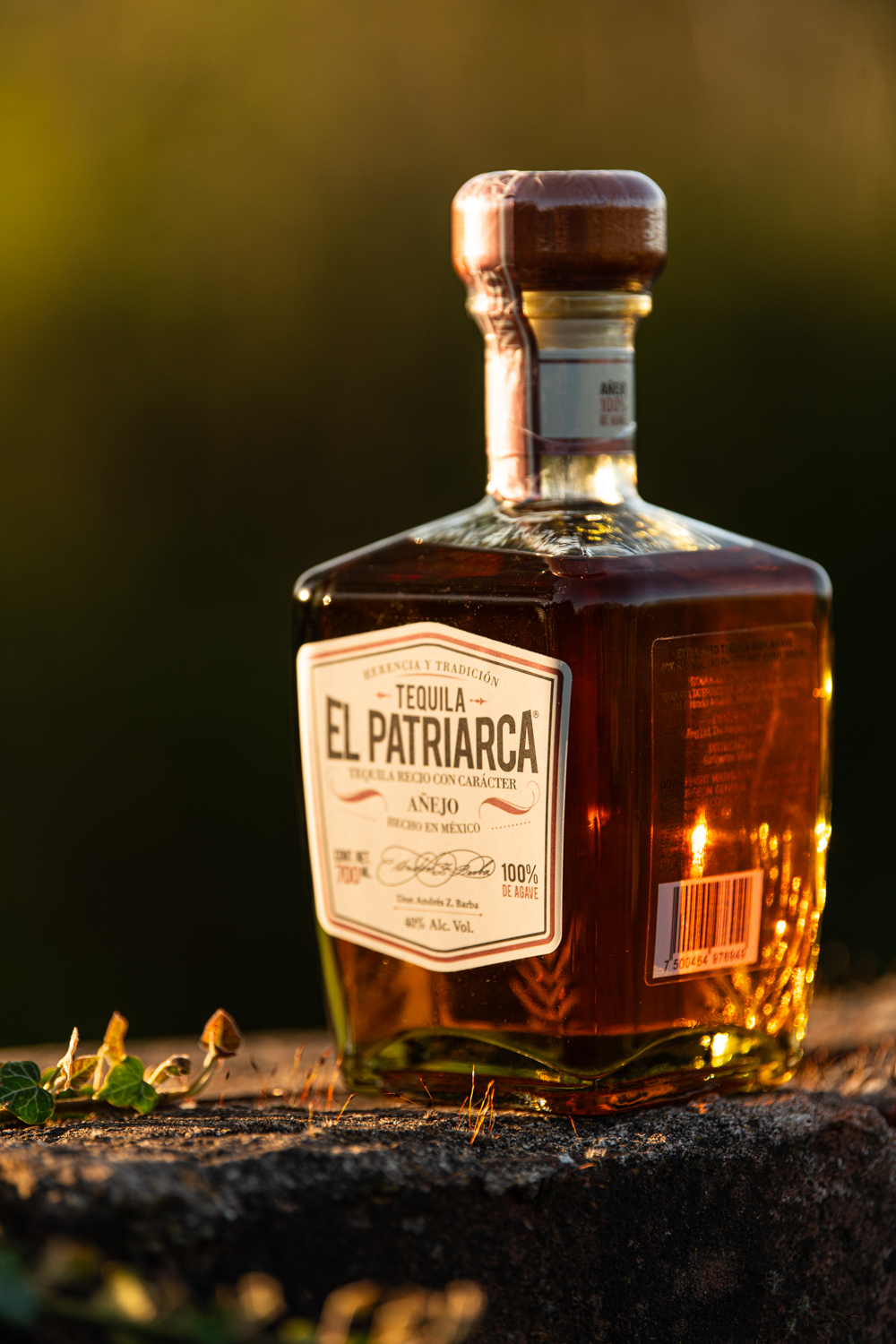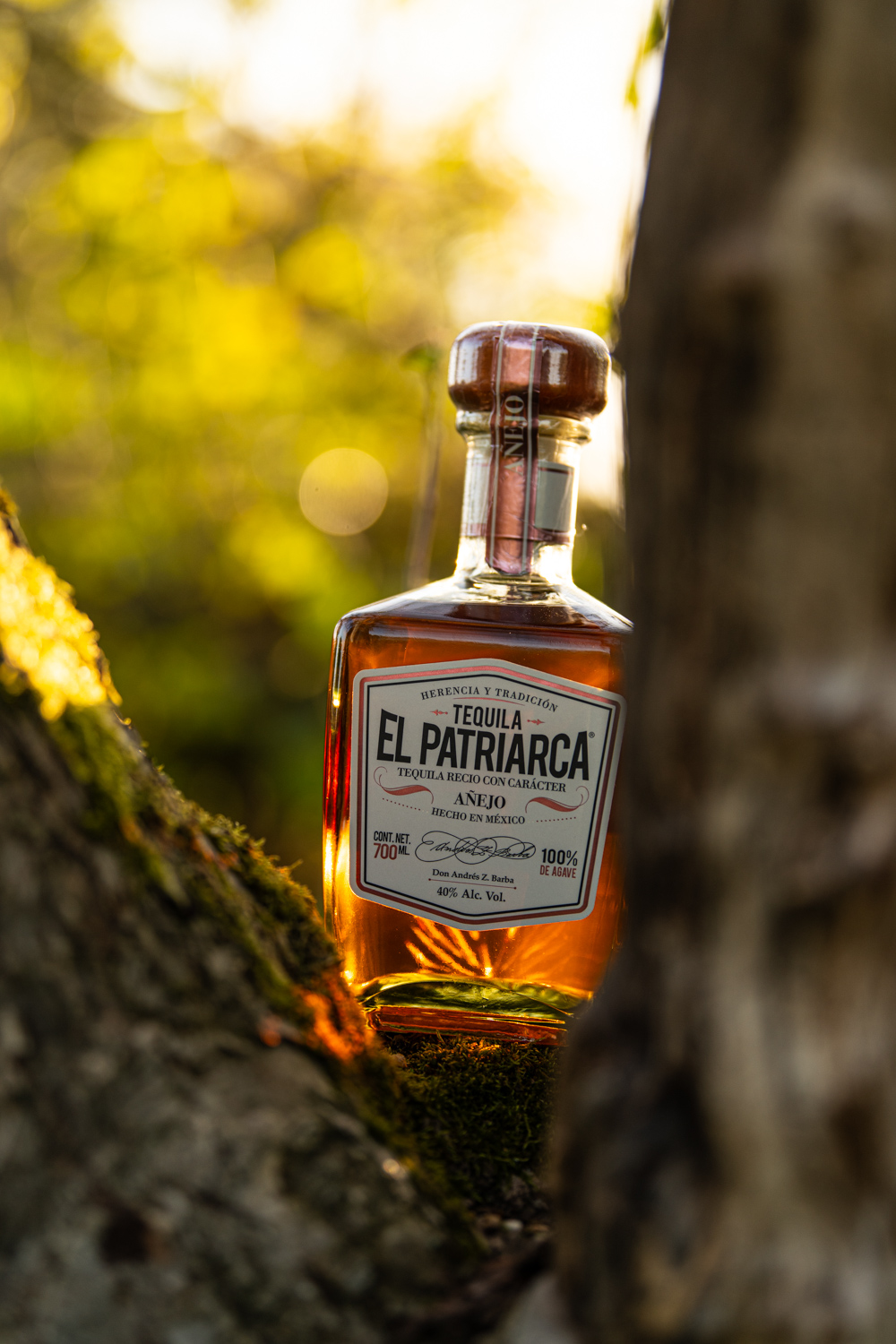




































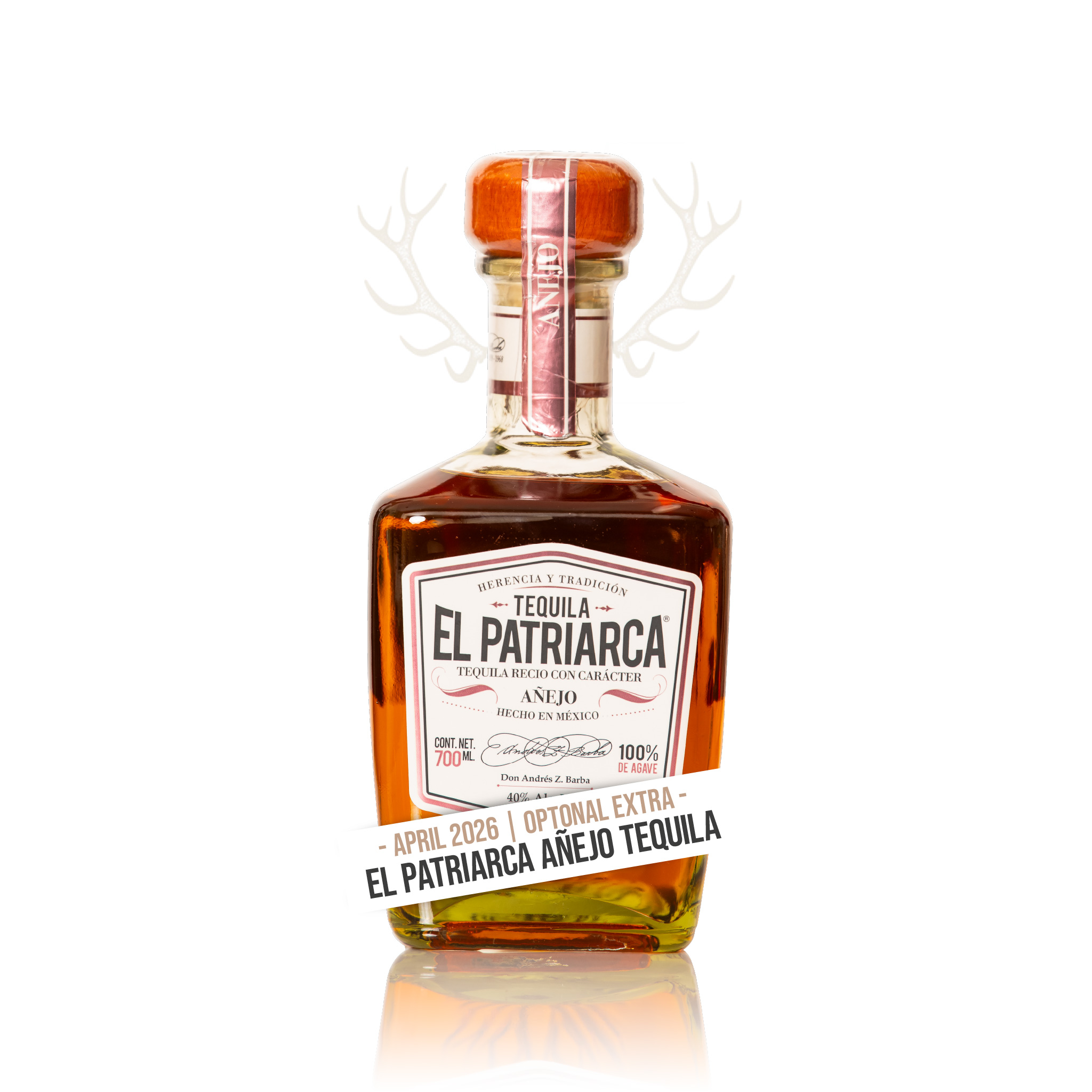
April 2026 Optional Extra – El Patriarca Tequila
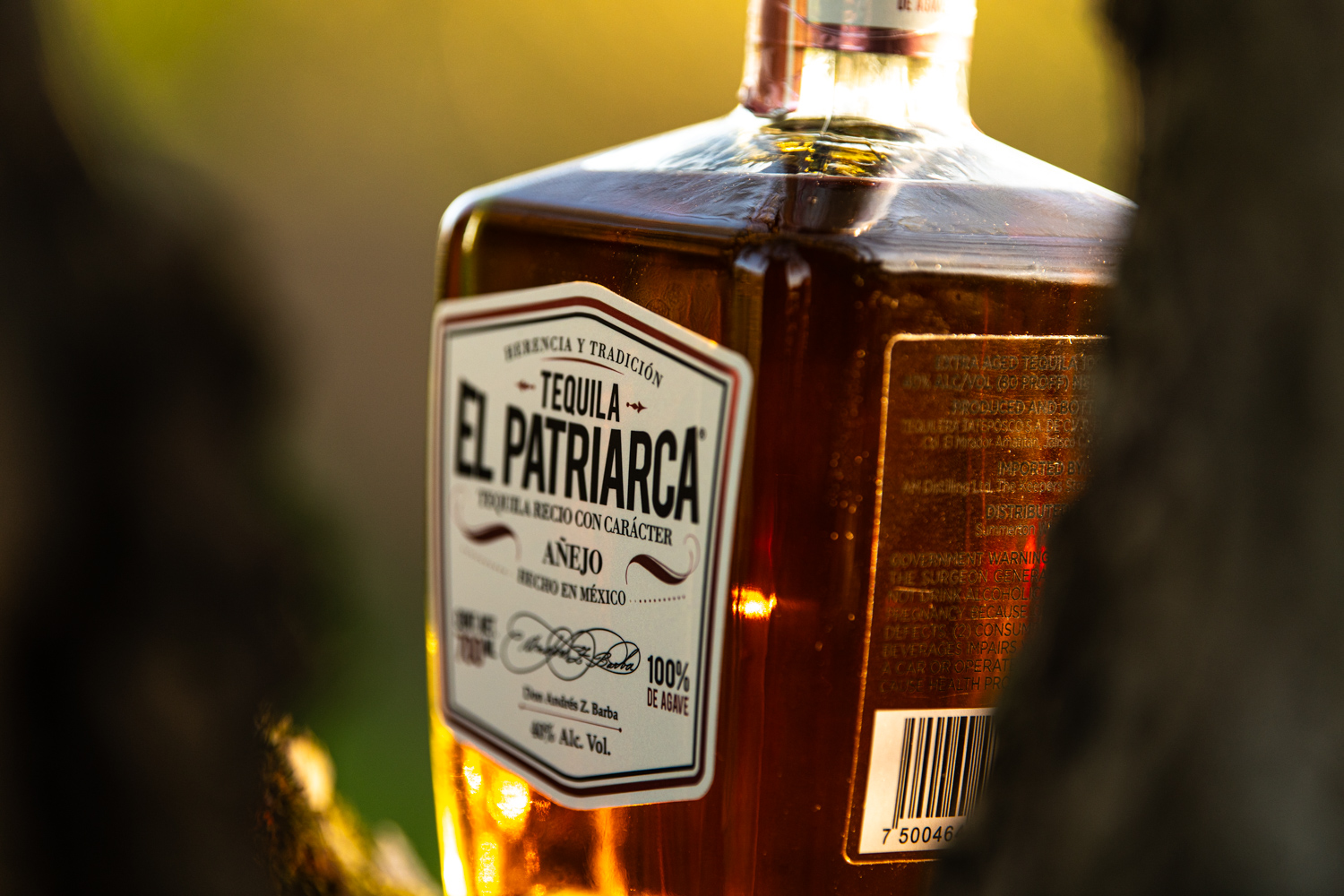
Tequila for Whisky Drinkers
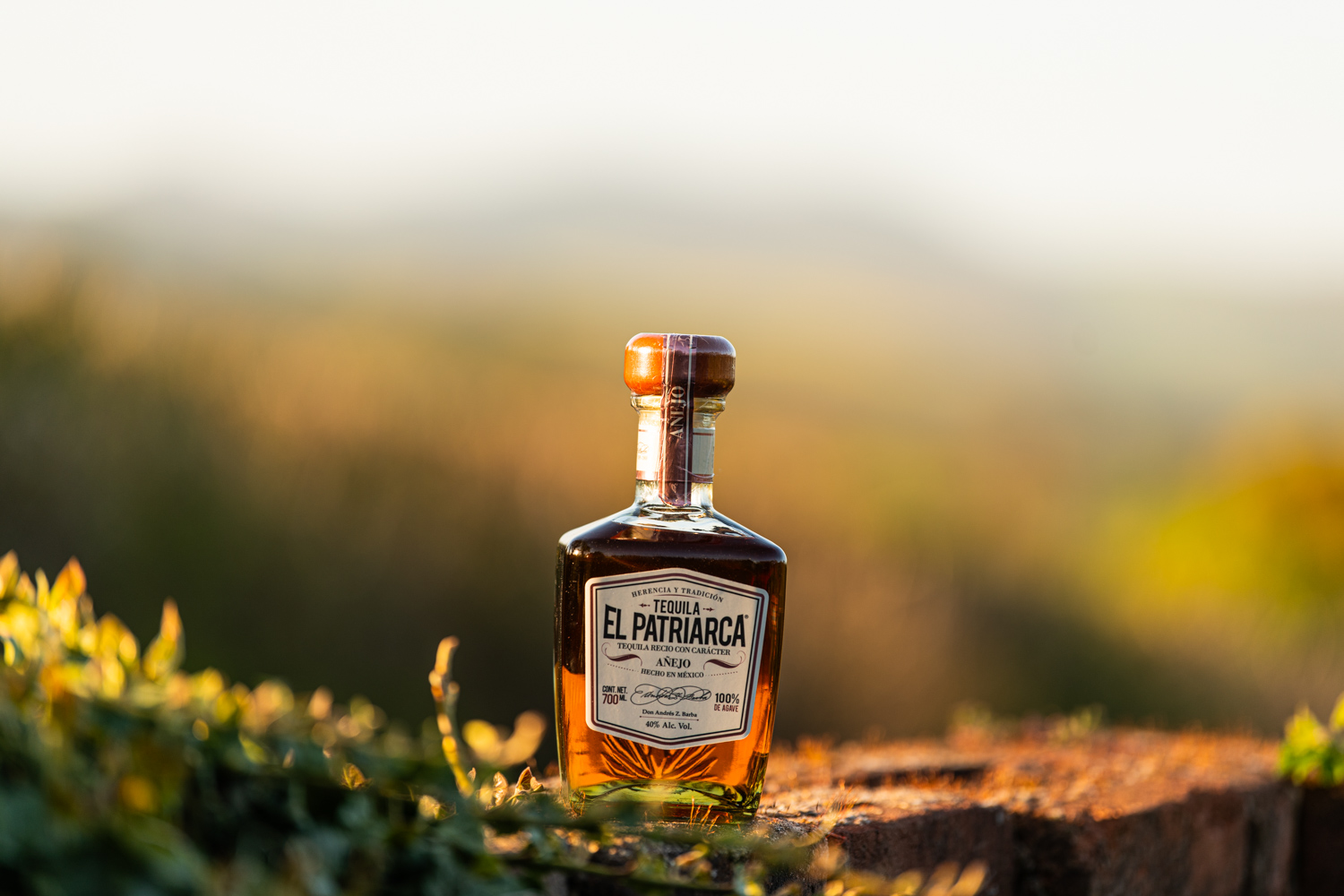
Why this month’s bottle of El Patriarca Añejo (an optional additional bottle for Club Members) deserves to be treated with the same respect as a good dram
Tequila has one of the most undeserved reputations in the spirits world.
For years, many drinkers in Britain encountered it in the worst possible setting: bad bars, worse tequila and a ritual designed to get the experience over with before anybody had the chance to taste what was actually in the glass. Somewhere along the line, tequila became associated with endurance rather than enjoyment, which is unfortunate for a spirit capable of carrying as much depth, complexity and regional character as almost anything sitting on a whisky shelf.
That disconnect between reputation and reality was part of the reason we wanted to share El Patriarca Añejo with members this month.
While whisky remains firmly at the heart of Summerton Whisky Club, there are occasional bottles from beyond the whisky world that feel impossible to ignore because they appeal to exactly the same instincts that draw people towards a good dram in the first place. Spirits shaped by raw ingredients and tradition. Spirits where maturation matters. Spirits that reward patience and attention rather than speed.
The deeper you look into tequila production, the harder it becomes to dismiss it as simply a party spirit.
Like whisky, its character is shaped by decisions made at every stage of production. The raw material itself plays a huge role, with tequila relying on blue Weber agave grown primarily in the Mexican state of Jalisco. Unlike grain, which is harvested annually, agave can spend the better part of a decade maturing before it is finally ready to be harvested, building sugars slowly within the dense heart of the plant.
From there, the similarities with whisky production become increasingly striking. The agave must be cooked to convert those sugars before fermentation begins, and the choices made throughout that process influence everything from texture and sweetness to the final depth of flavour in the glass. Distillation style matters enormously too, as does maturation once oak enters the equation.
That last part is often where whisky drinkers suddenly begin to understand tequila differently.
Why “100% agave” matters
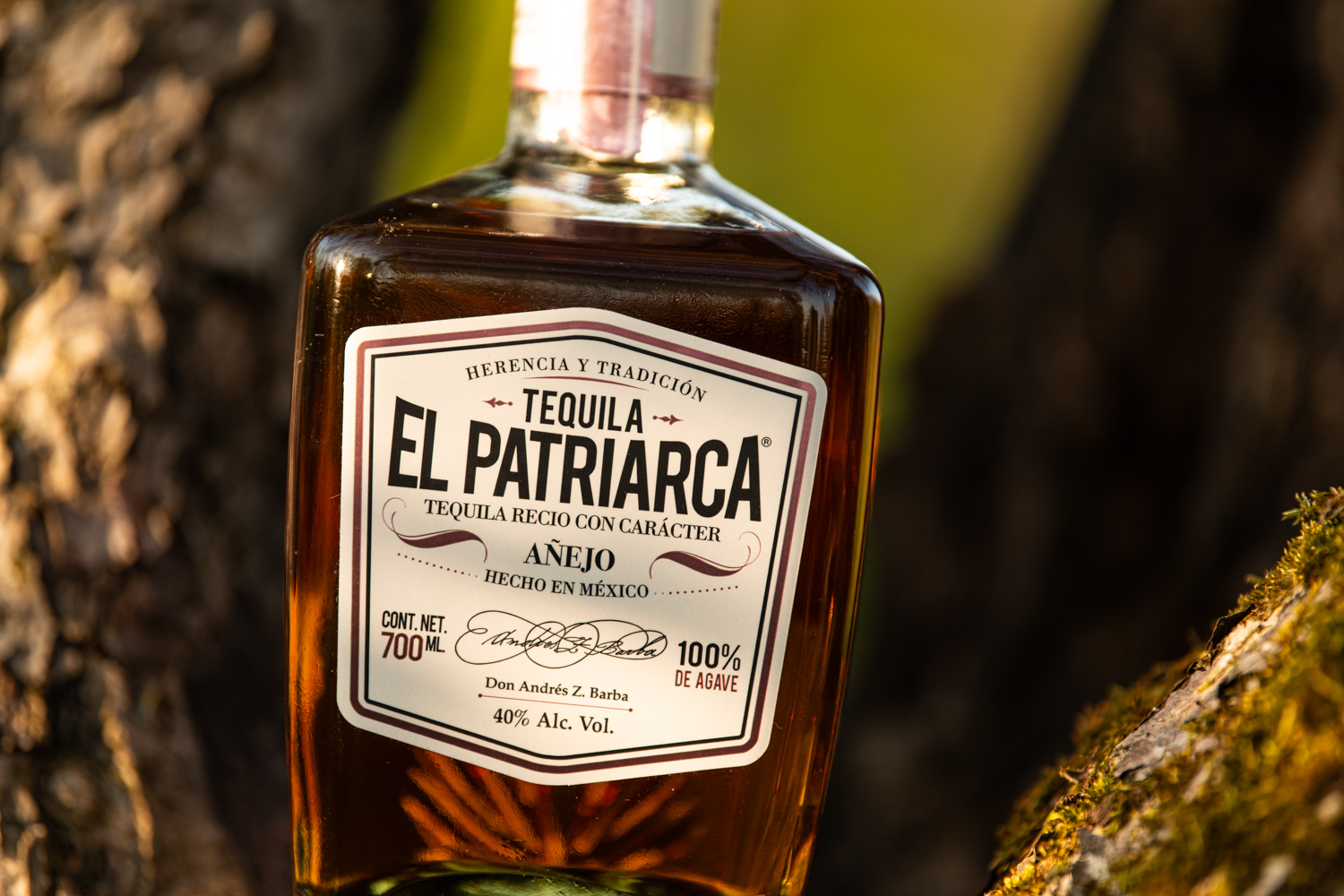
Not all tequila is created equally. Lower-grade tequila can be produced using additional sugars alongside agave, often resulting in a harsher and far less expressive spirit. Bottles labelled “100% agave”, such as El Patriarca Añejo, rely entirely on blue Weber agave for fermentation, allowing the character of the plant itself to remain central to the finished tequila.
Where tequila and oak begin to collide
Unaged blanco tequila can be an extraordinary thing in its own right, full of pepper, citrus, herbs and earthy agave character, though for many whisky drinkers it is añejo tequila that provides the most natural point of entry into the category.
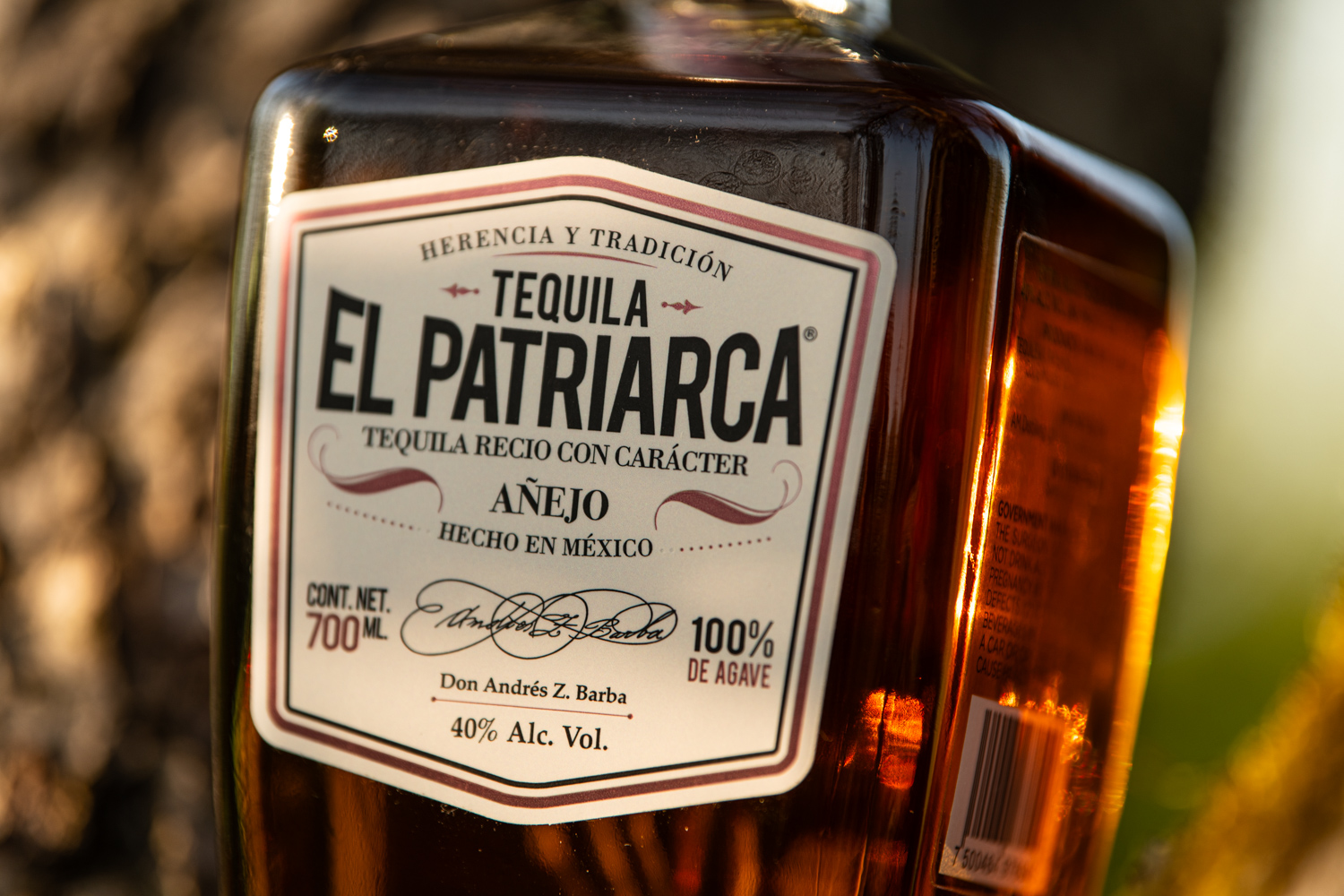
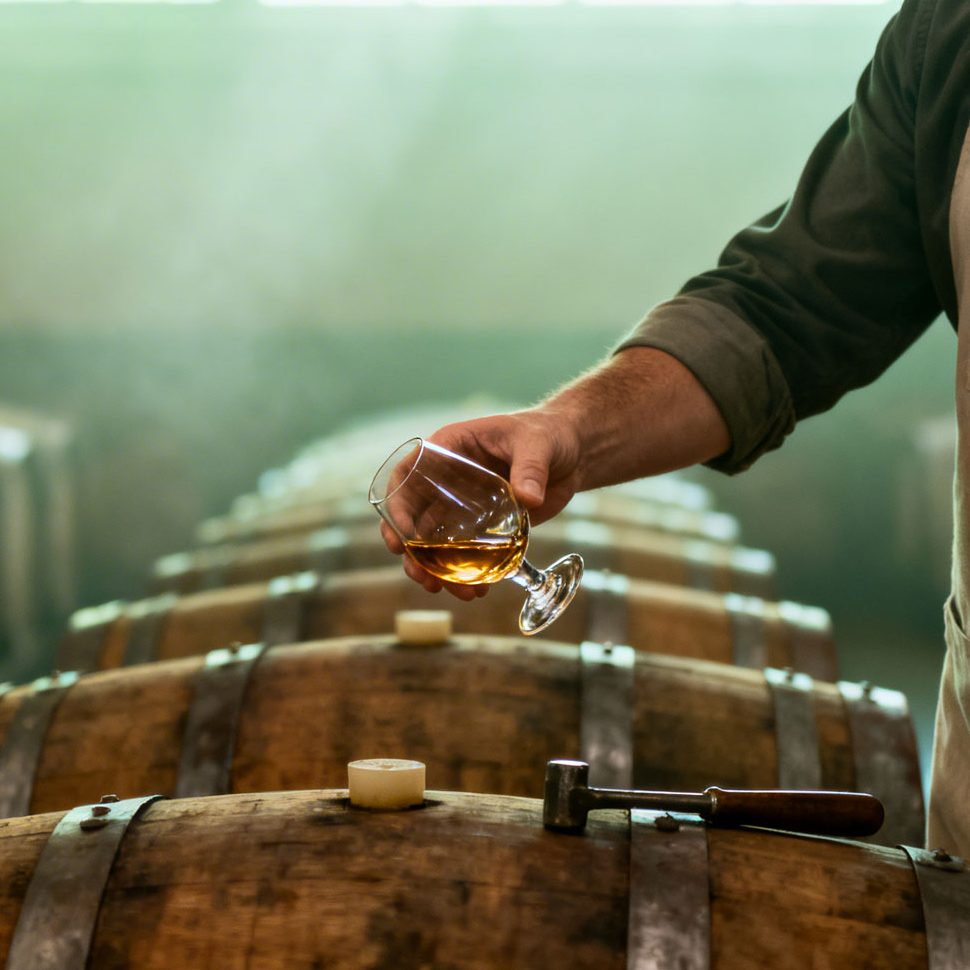
By law, añejo tequila must spend at least a year ageing in oak barrels. During that time, the sharper edges of the spirit soften and deeper flavours begin to emerge from the cask. Vanilla, caramel and warming spice gradually weave themselves into the spirit, sitting alongside the vegetal sweetness and earthy complexity that agave naturally brings.
What makes a good añejo so compelling is that the oak never completely takes control.
In whisky, particularly heavily matured whisky, the cask can sometimes dominate the spirit beneath it. With tequila, there is often more tension between the barrel influence and the distillate itself. Even after years in oak, the agave continues to push through the centre of the spirit, bringing freshness, savoury notes and a distinctive character that grain spirits simply do not possess.
That balance is exactly what makes añejo tequila so fascinating to drink.
Inside the glass: El Patriarca Añejo
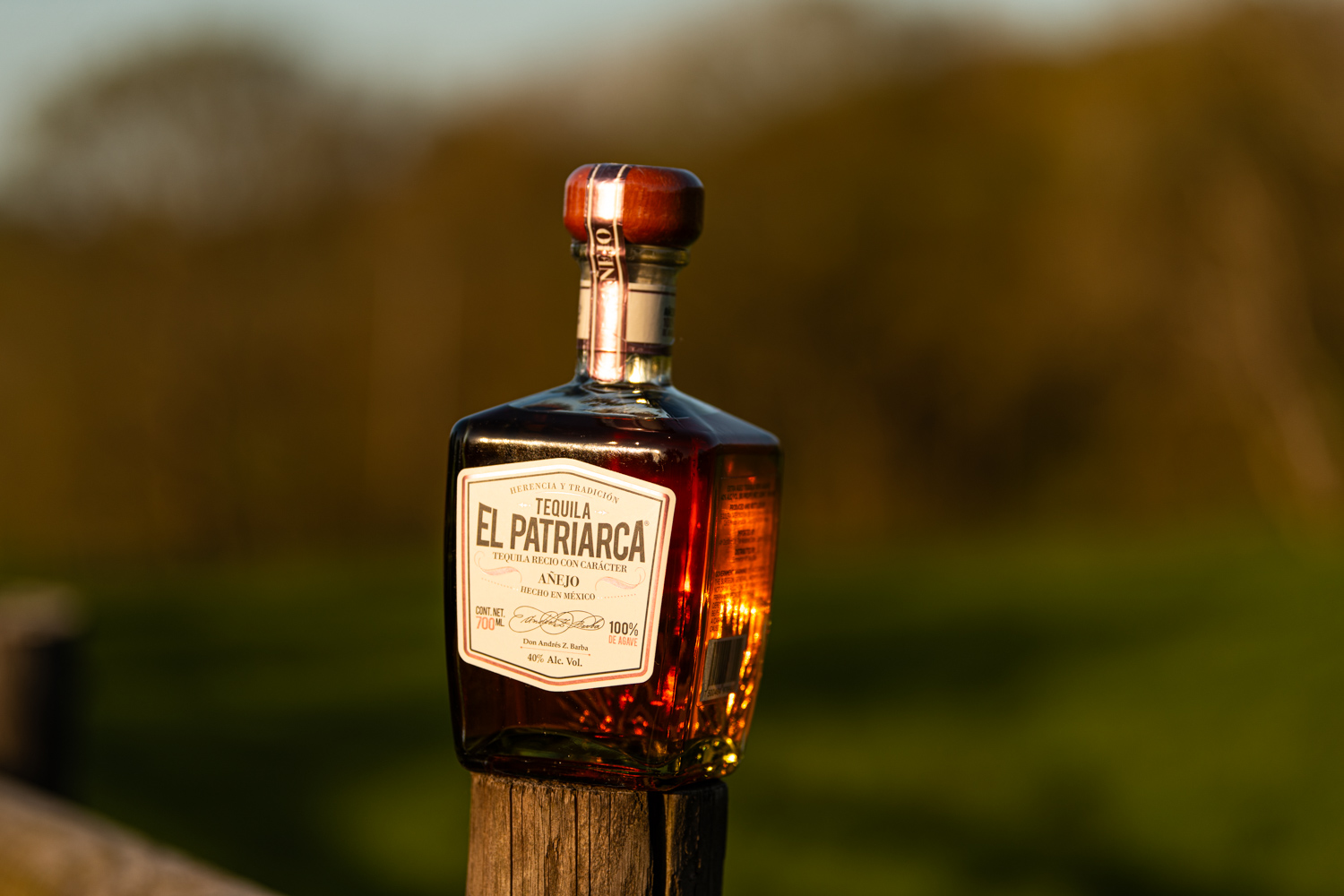
The bottle included with this month’s optional add-on leans confidently into that richer, mature style of tequila.
El Patriarca Añejo is produced from 100% blue Weber agave and bottled at 40% ABV. From the moment it is poured, it feels far removed from the sharp, aggressive tequila many people still expect.
The nose opens with soft vanilla and caramel before moving into something deeper and more rounded. There is cooked agave sweetness underneath the oak, along with cinnamon spice, toasted nuts and a touch of dark chocolate bitterness that stops the sweeter notes from becoming too dominant.
On the palate, the oak influence becomes more pronounced, though never overwhelming. The maturation brings warmth and texture, yet the spirit retains an earthy, herbal edge running through the centre of it that keeps pulling everything back towards agave.
For whisky drinkers, that contrast is part of the appeal.
There are moments where the cask influence feels reassuringly familiar, particularly for those who enjoy bourbon-cask matured whisky, but the spirit beneath behaves differently. It feels greener somehow. Wilder. Less polished in the best possible sense.
A spirit worth slowing down for
One of the biggest mistakes people still make with tequila is drinking it too quickly. A good añejo deserves exactly the same patience you would give to a well-made whisky. Let it sit in the glass. Return to it slowly. Pay attention to how the balance between oak, spice and agave shifts as it opens.
Why tequila’s reputation is finally changing
Over the last decade, tequila has started to escape the narrow reputation that held it back for so long.
Drinkers have become far more interested in provenance, authenticity and production methods across every corner of the spirits world, and tequila has benefited enormously from that shift. Conversations around additive-free tequila, traditional production techniques and agave cultivation have pushed the category into far more serious territory, particularly among whisky drinkers already accustomed to thinking deeply about how spirits are made.
That growing interest has also exposed the enormous gap between mass-produced tequila and carefully made bottles designed for sipping.
Once people experience the latter, it becomes much harder to return to the old stereotypes.
A final pour
Not every whisky drinker will fall in love with tequila immediately, nor should they.
Agave brings flavours and textures that are entirely its own, and part of the pleasure lies in discovering something that refuses to behave quite like whisky, rum or anything else already sitting on the shelf.
Yet that unfamiliarity is precisely what makes a bottle like El Patriarca Añejo so rewarding.