





























How to Start a Whisky Club

How to Start a Whisky Club
Tips and advice from someone that’s run one (and also made a profit)
Why start a whisky club?
About 10 years ago, my friend and I decided to take a trip to Islay. After a few post-pint whiskies, he’d opened my eyes to peated whiskies and we both wanted to find out more – Islay seemed a good choice and off we headed for 5 days of eventful exploration. The events of that trip are for another post, but on the ferry back, we started looking for our nearest whisky tastings, events or clubs. There was nothing – not a single tasting in Wales, let alone our area.
So we decided to start our own.
Our motivation was simple, we wanted to try more whiskies and bottles were expensive! We figured that if we had a small group of people, we could either run a ‘bring a bottle’ share, or maybe even chip in for a bottle together.
How to start...
The easiest way to start out is to begin finding friends and family to form a group, then start meeting at one of your houses. At this point don’t worry too much about the whisky that people bring along. You’re going to get a mix of ‘I’ve had this in the cupboard for x years’ to ‘this was on offer in Tesco’s on the way over’.
Especially for the first couple of meetups, just accept this is a given. You can try and set a budget for bottles for the future, or maybe decide specific bottles for the next event (if you’re that organised). However the main goal here is to just get a few people together to form the initial group that meet regularly with a purpose.
We began by forming a group on a social meetup site and met at my house with a bring a bottle tasting. There were only 4 of us and the whole thing was a bit of a mess! The main thing we realised was that none of us knew anything about the whiskies that we’d brought along, so it was a night of googling more than tasting. However, we formed our group and decided we’d try for a ‘real’ tasting somewhere.
Finding a venue...
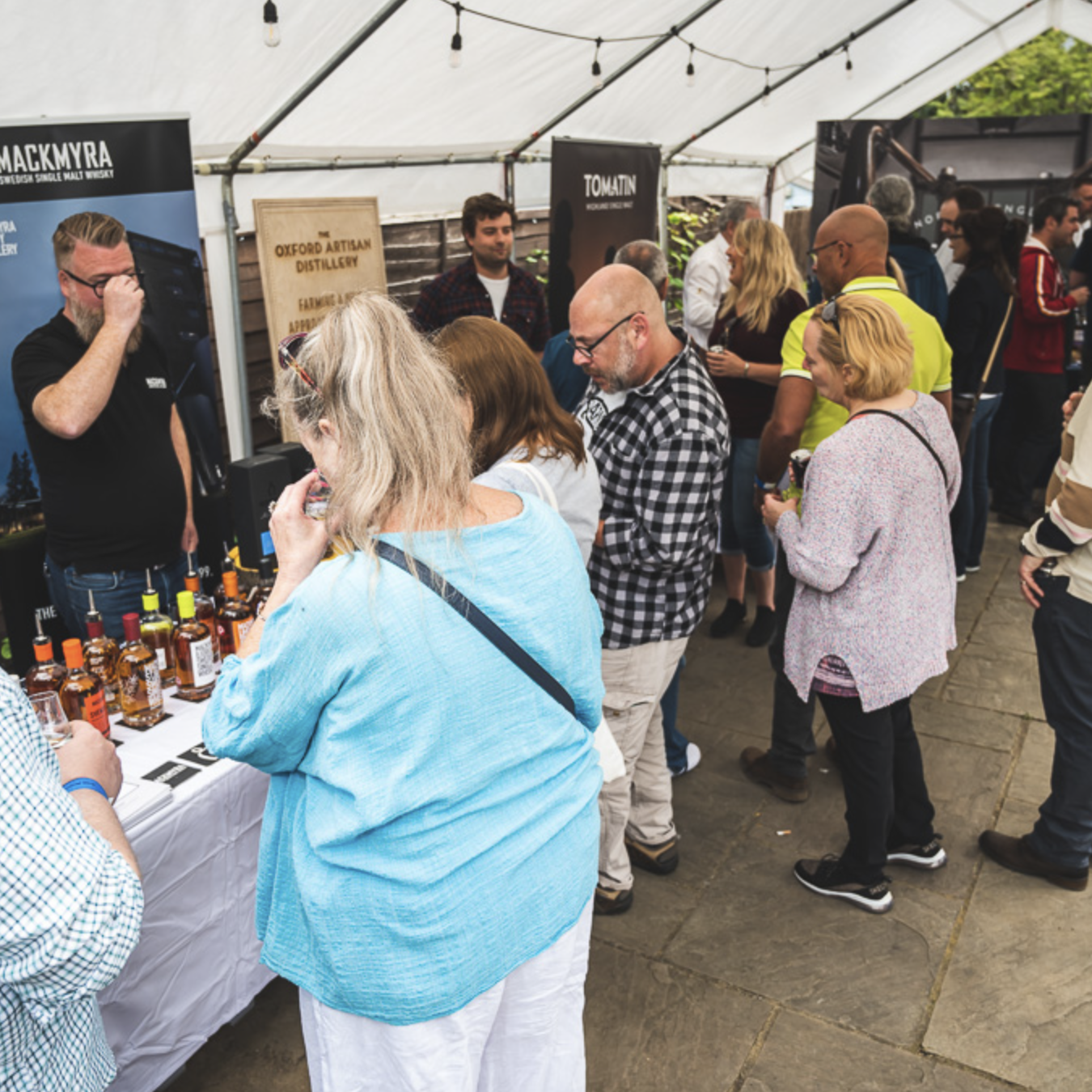
You’ll soon find that mid-week tastings in houses can get a bit challenging; someone has to host, people have to get taxi’s etc. What you need is somewhere to meet. For any sort of formal tasting, you’re going to have to run from a licensed venue (more on the legal part below). If you’re serving alcohol to the public, this is a given. Many pubs and bars have spaces available for groups, whether that be small function rooms upstairs, or even sections of a bar that can be reserved for groups.
There are some key points here:
- Space is important.
You need somewhere that the host can be seen and heard. Private rooms are the best option for this, however a quieter area of a bar can work too. - Don’t expect to pay.
Sure, a nominal booking fee to reserve the space is fine (say £30), but if they want significant money for the space, look elsewhere. You’re going to be bringing customers along to their venue on a quieter night of the week and they will be buying at the bar.
Equally, don’t underestimate the impact of 20+ people filling a venue for attracting other customers. - Work with the venue to promote the group.
See if they’ll put a few posts up on their social media to get the word out about the group. The more people you have the better.
By moving to a venue, we started to attract new people and the club started to grow and grow. However, we made the mistake of paying for the space on our first tasting, which is why I urge you not to make our mistake again. It was only a year later when we were getting requests from pubs to use their space that we realised how significant our mistake was. At one point, we essentially filled a pub on a tasting night leaving only about 6 seats left. Not bad for a Wednesday night.
The legal side...
The following is not official legal advice, but only guidance to get you started. Regulations can change and if in doubt, speak to a professional.
The ‘bring a bottle’ in a private house is fine, but the moment you start selling tickets, even just to cover the cost of buying the bottle, you’re supplying alcohol. In the UK, that’s a licensable activity the same as selling late-night food, playing music or the performance of a play.
Most bars and pubs in the UK that sell and supply alcohol have a premises licence, (except member’s clubs for example). An individual who has the necessary training and certification can have a personal licence.
Crucially, an individual with a personal licence is not a walking licenced venue who can sell alcohol wherever they go. A licenced premises needs someone with a personal licence to operate – the Designated Premises Supervisor (DPS). They are responsible for the venue’s licensable activities and the person you should speak with.
You must assure them that
- You will be serving only a reasonable amount of alcohol during the tasting.
- You will not provide alcohol to anyone who is intoxicated.
- You will check the age of anyone attending who appears to be under the age of 18.
- You will adhere to their license stipulations. For example, you should check that they have an off premise license if you intend people to take home samples after the tasting.
Essentially by operating under their license you are under their responsibility
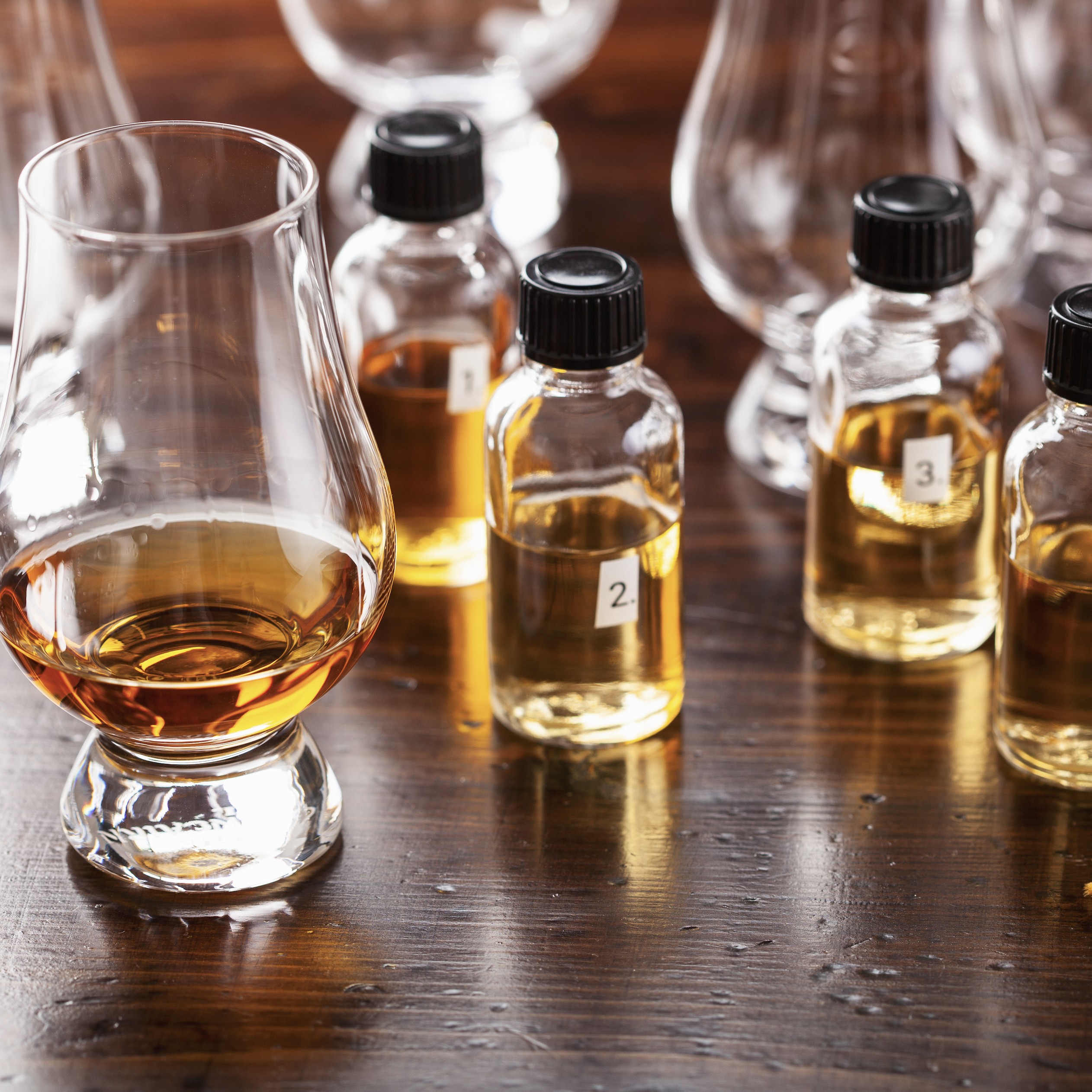
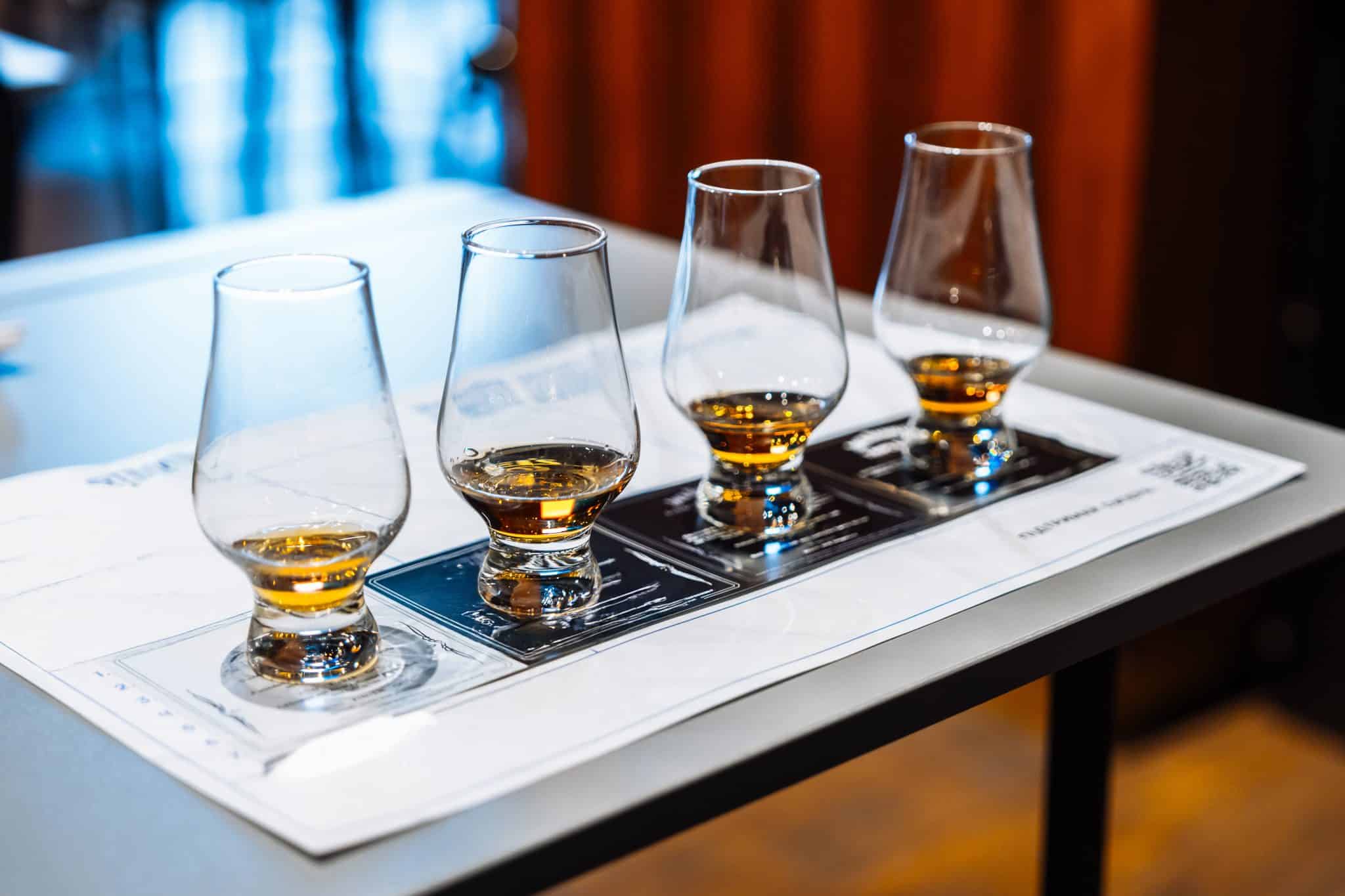
At each venue we ran a tasting at, I made sure to have a conversation either with the owner, manager or the DPS around their licensing. Their main concern was always around the amount of whisky that was being consumed – this is why we only provided 15ml – 20ml samples. Around 3-4 measures of whisky in all.
Running the tasting...
Organised tastings are a step-up from the informal bring a bottle get-togethers you start with. While some clubs have managed to run in an unstructured, informal tasting, adding some organisation to the tasting can make it so much better for all.
- Choosing the whiskies.
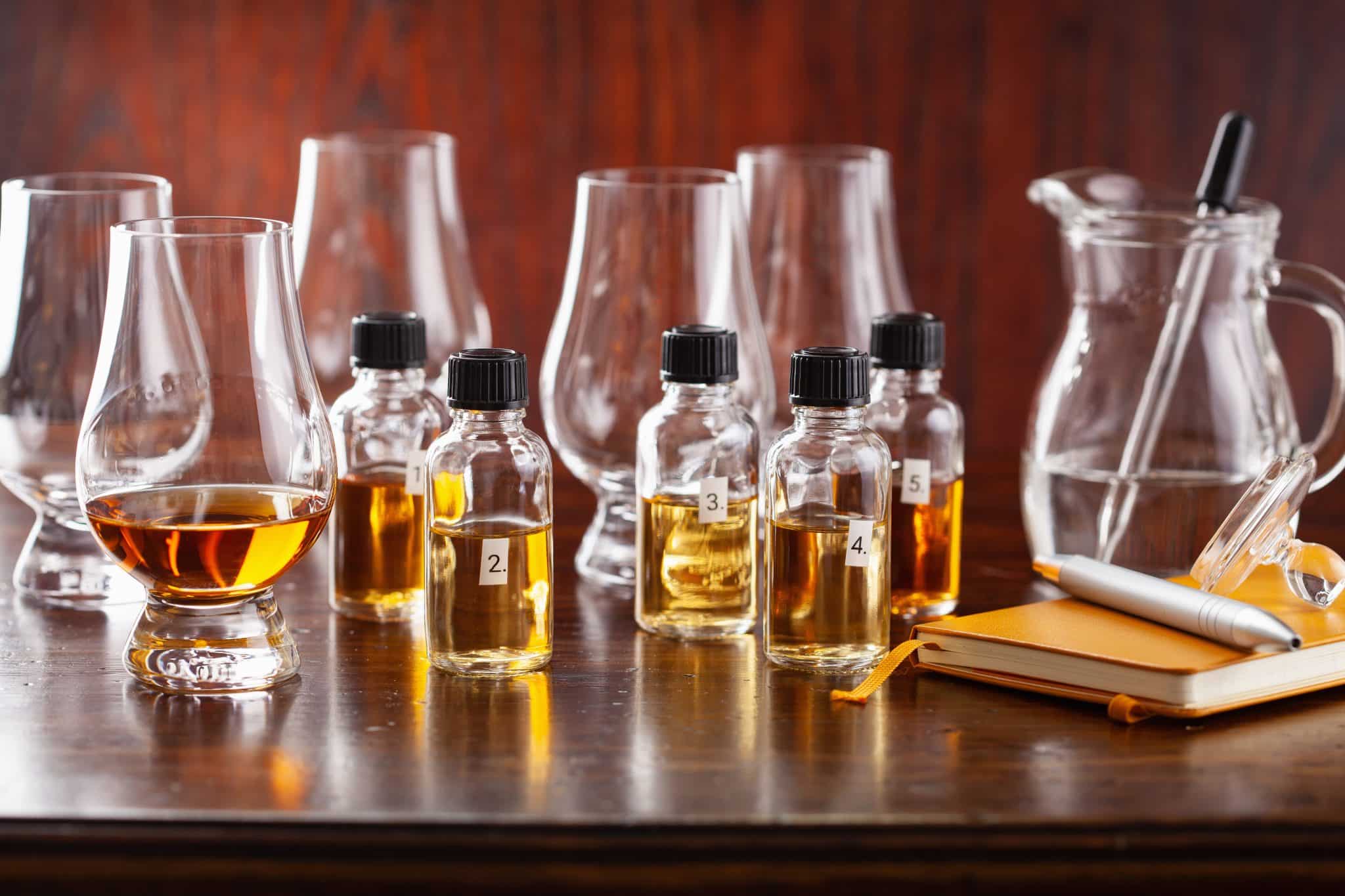
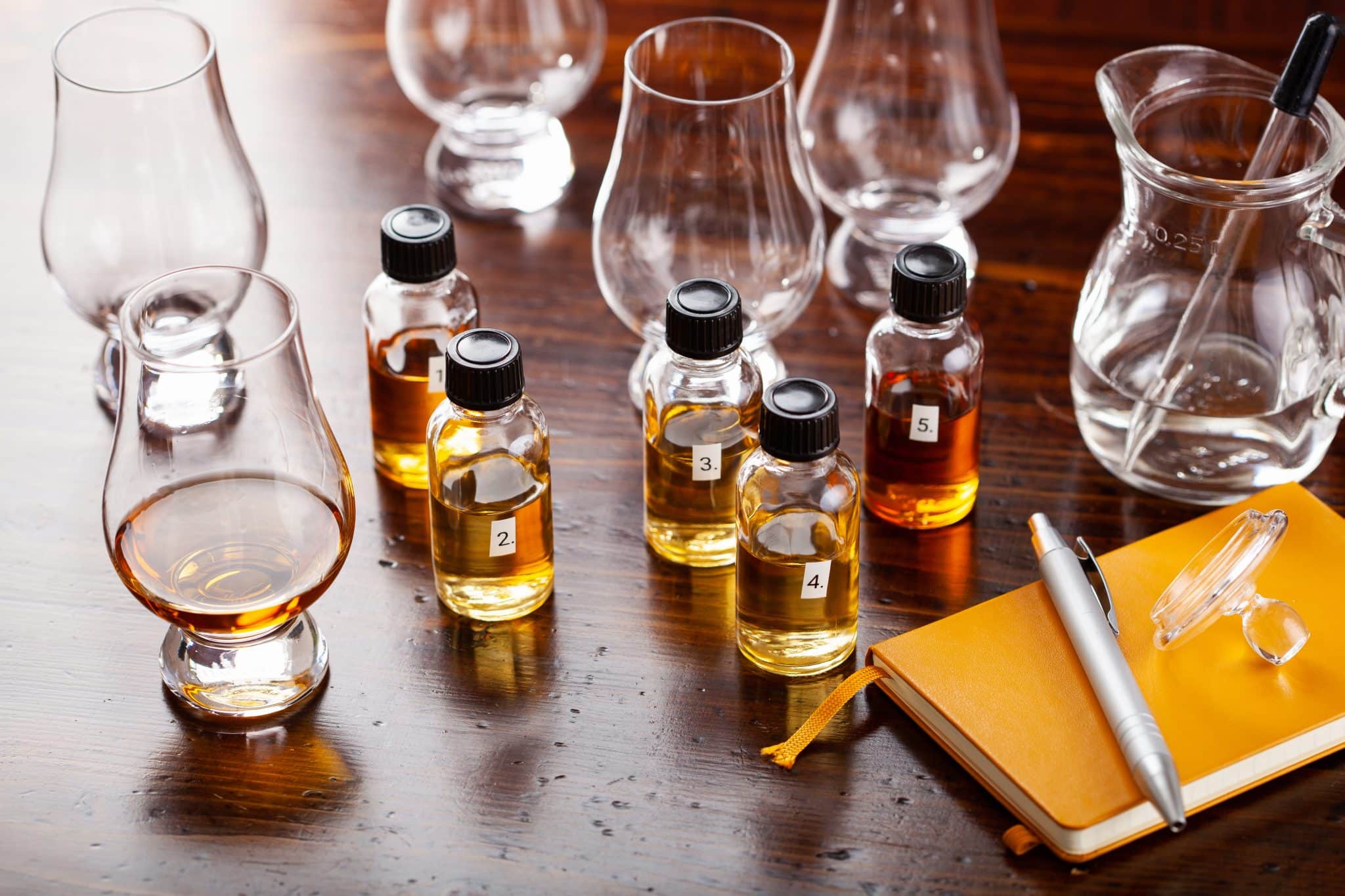
Generally 5-6 whiskies is a good amount to sample in 60-90 mins. Picking a theme, such as the Regions of Scotland, Peated vs Unpeated, World Whiskies, Irish/English/US, Bourbon/Rye/Corn/Grain are ideas of where to start. Avoid vertical tastings (one distillery). Leave that to the brand ambassadors. - Researching the whiskies.
It’s good to have about 5 mins worth of information about the whisky or the distillery, all of which is easily found online. The research and ultimately the presentation can be either run by one individual, or divided up between the group. - Hosting and Presenting
Have someone who doesn’t mind public speaking host, either running the evening as the compère introducing each person (if sharing each whisky’s presentation). Or they can run the whole tasting. - General Format
A tasting of 6 whiskies basic timings:
Introductions and Welcomes – 10 mins
Introduce theme of the evening – 5 mins
Whiskies 1,2,3,4 – brief information, let people nose, then taste, let people discuss. 10 – 15 Minutes.
Break for 15 mins
Whiskies 5 and 6.
Recap and votes for favourites
Closing and thanks - Glasses and Water
Always make sure there’s water available to all, and remember to encourage people to drink it throughout the evening.
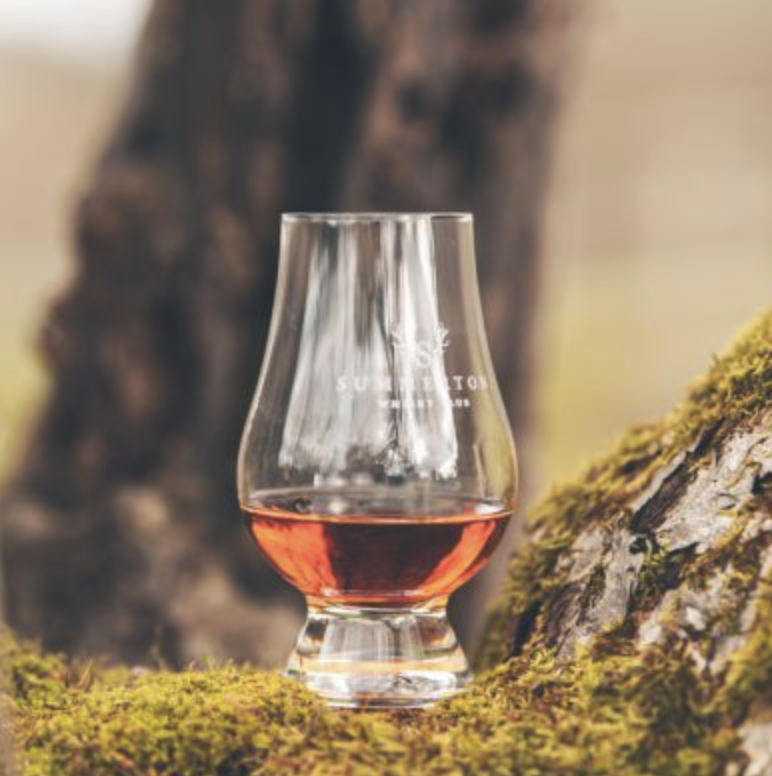
If you can, get some whisky tasting glasses of some sort, even if it’s just one per person at the beginning. Most bars will only have tumblers or wine glasses which aren’t ideal.
Costs and pricing...
If you’re pouring 20ml of whisky, there’s 35 measures in a 700ml bottle. If you budget for £400 on bottles, then it works out at £12 per person, so £2 a sample if there’s 6 samples. As you can see, it’s a much better way to sample whisky with enough people.
Depending on the way you want to format your club, you can set the price accordingly. As our tastings became more events like, we ran at a reasonable profit. This was easily justified for the amount of work that went into it and the risk of having to procure stock and sell tickets.
As your club grows you can, with the premises permission, consider selling the remaining samples from the bottles on the evening too. We used to run a ‘sample shop’ of anything we had left over. We got rid of the remaining stock without giving it away at the end.
Thanks to Jon for sharing his tips and advice on how to start a whisky club. Hopefully this will help you if this is something you have been considering.
If you are looking for your local whisky club, check out our list of UK Whisky Clubs.