Cocktail – Last Word
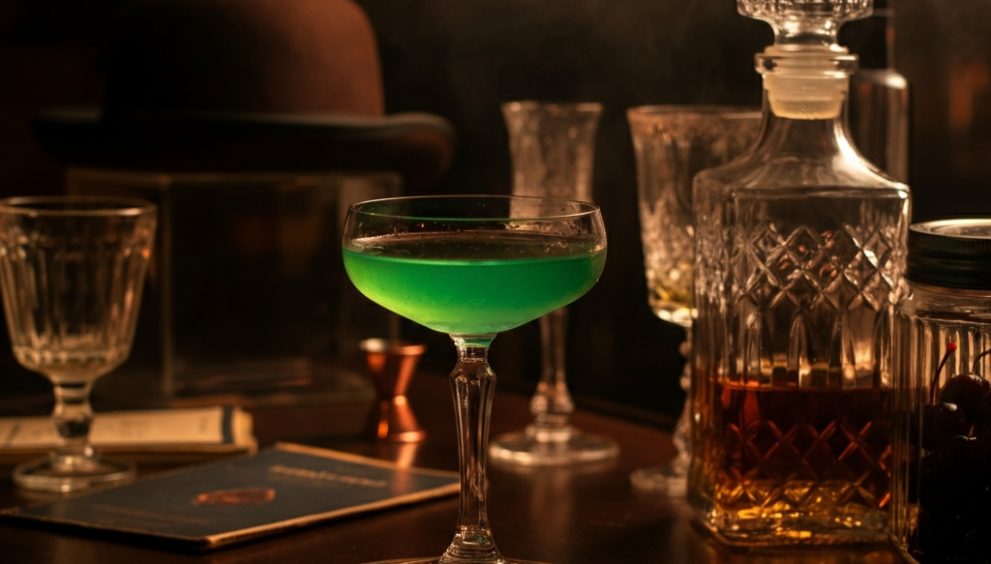
In the covert jazz bars of the 1920s, one drink stood out for its sharp wit and green allure: The Last Word. Equal parts elegance and edge, it was the kind of cocktail whispered about by those who knew their liquor — and their limits.
Though it vanished for decades, this strikingly balanced drink made a triumphant comeback in the 21st century, now a favourite among discerning mixologists. Traditionally made with gin, The Last Word has also inspired inventive whisky variations, revealing new depths in this century-old classic.
Ingredients:
25ml London dry gin
25ml green Chartreuse
25ml maraschino liqueur
25ml fresh lime juice
Preparation:
Add all ingredients to a cocktail shaker with ice.
Shake vigorously for 10–12 seconds.
Strain into a chilled coupe glass.
Garnish (optional) with a cherry or lime twist.
Hardware:
Glassware: Coupe glass
Tools: Cocktail shaker, fine strainer
Herbaceous and zesty with a subtle almond-like sweetness, The Last Word delivers a rich yet refreshing profile. Green Chartreuse brings a botanical complexity, while the maraschino adds earthy depth.
Lime sharpens the structure, ensuring every sip finishes clean and bright. It’s an ideal aperitif or post-dinner palate cleanser — and for whisky fans, a gateway into new aromatic territories.
The Final Ward (by Phil Ward, NYC)
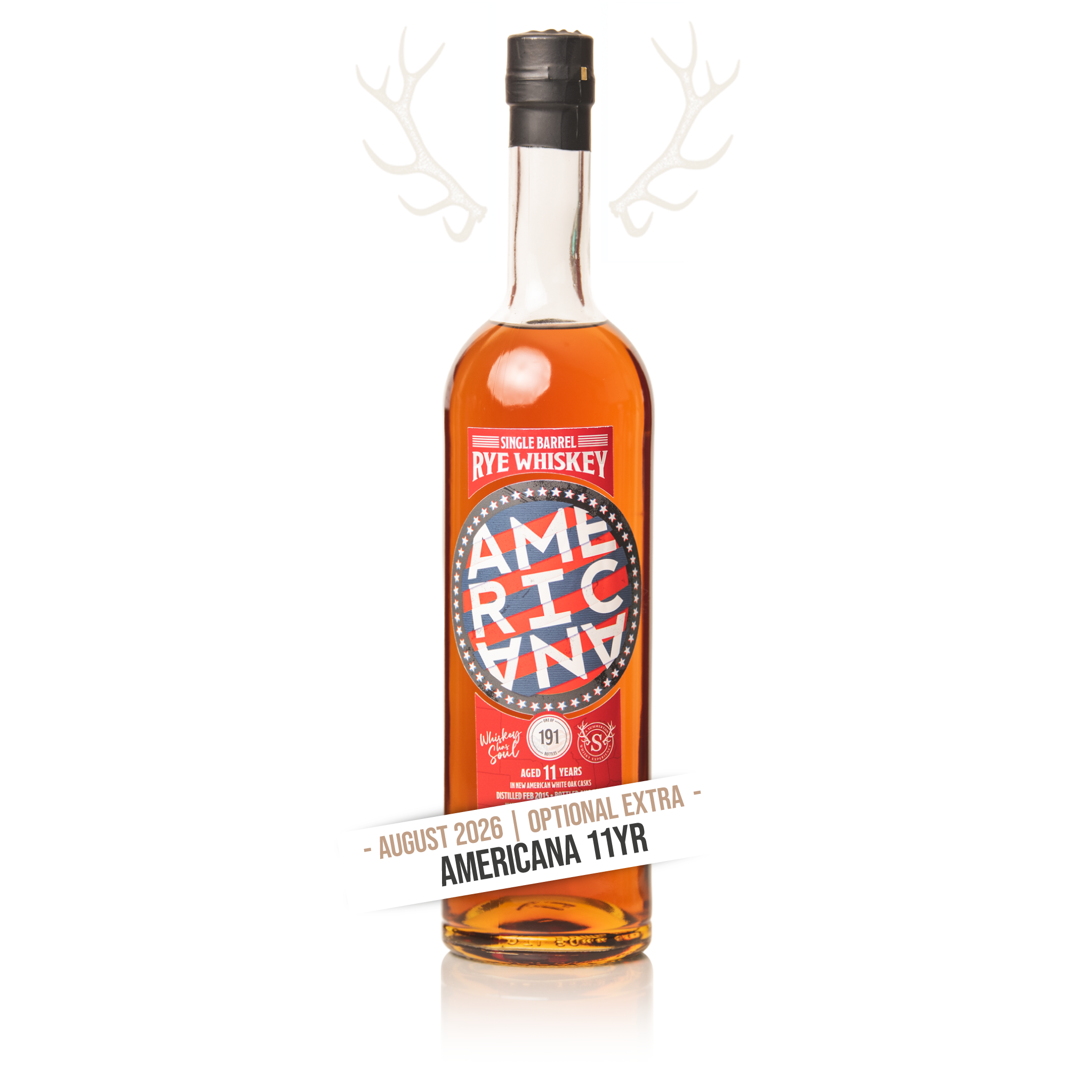
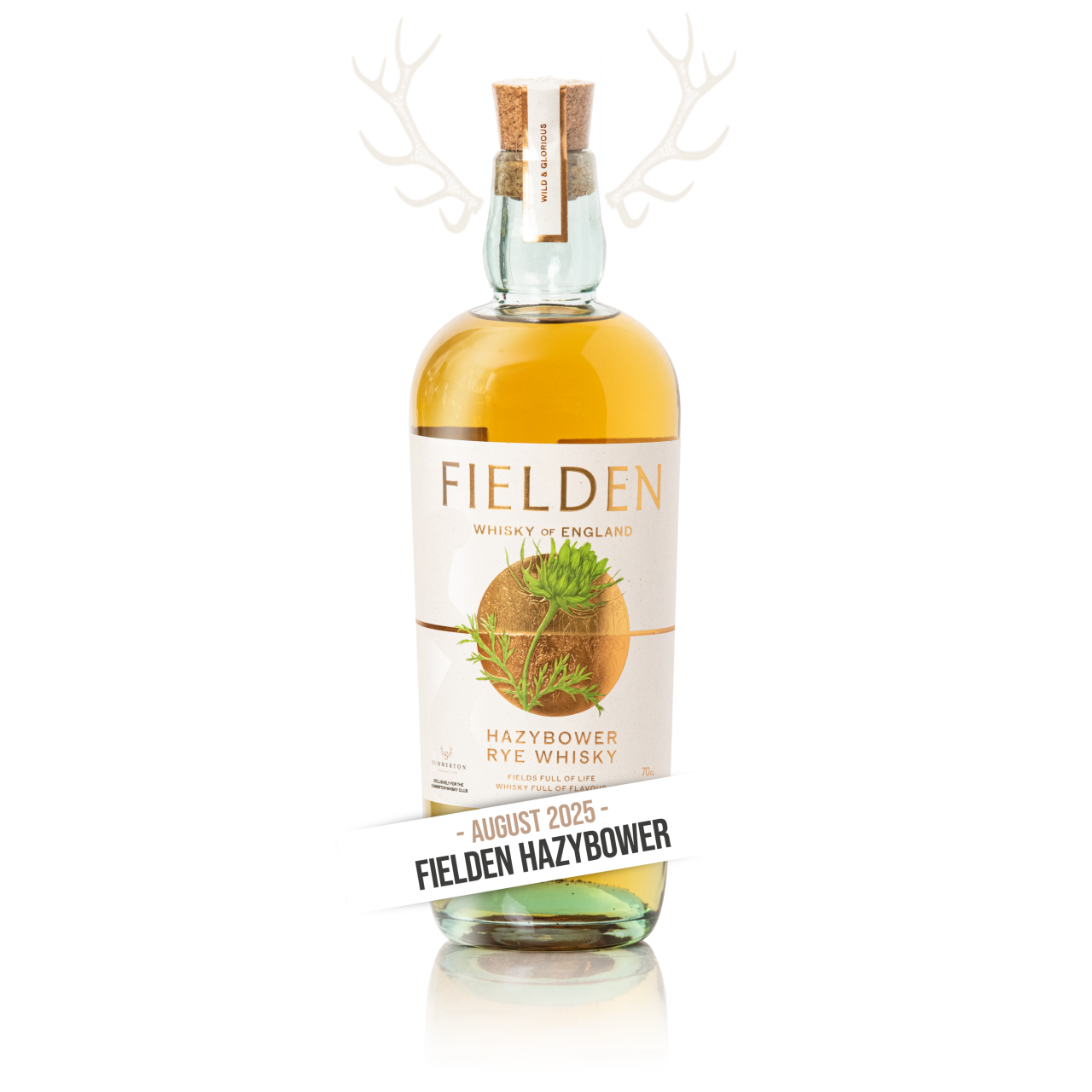
25ml rye whisky / 25ml green Chartreuse / 25ml maraschino liqueur / 25ml lemon juice
A spicier, darker reinterpretation. The rye’s warm, woody character offsets the herbal sweetness.
Smoky Last Word
25ml peated Scotch / 25ml green Chartreuse / 25ml maraschino / 25ml lime juice
Islay whisky lovers will enjoy the peaty overlay, which adds depth and drama to the cocktail’s crisp structure.
Tip
For a gentler twist, try a blend of Scotch and gin — 15ml each — to balance tradition and innovation.
The Last Word was first documented at the Detroit Athletic Club during Prohibition, likely around 1915–1920. A luxury in the underground bar scene, it featured premium ingredients even when quality spirits were scarce. Its equal-parts structure was unusual at the time, balancing sharp, herbal, sweet, and citrusy notes — a perfect harmony of opposites.
The drink fell into obscurity post-WWII, overshadowed by more straightforward highballs and Martinis. But in 2004, Seattle bartender Murray Stenson discovered it in an old cocktail book and revived it at the Zig Zag Café. Within months, it became a cult favourite among bartenders from London to New York, celebrated for its precision and personality.
Whisky fans soon joined the movement, crafting versions with peated Scotch, rye, or bourbon, each twist adding smoky depth or spicy warmth to the original green brilliance.

In these recipes we haven’t specified the whisky to use, as you know what you like best, and it also allows you to experiment.
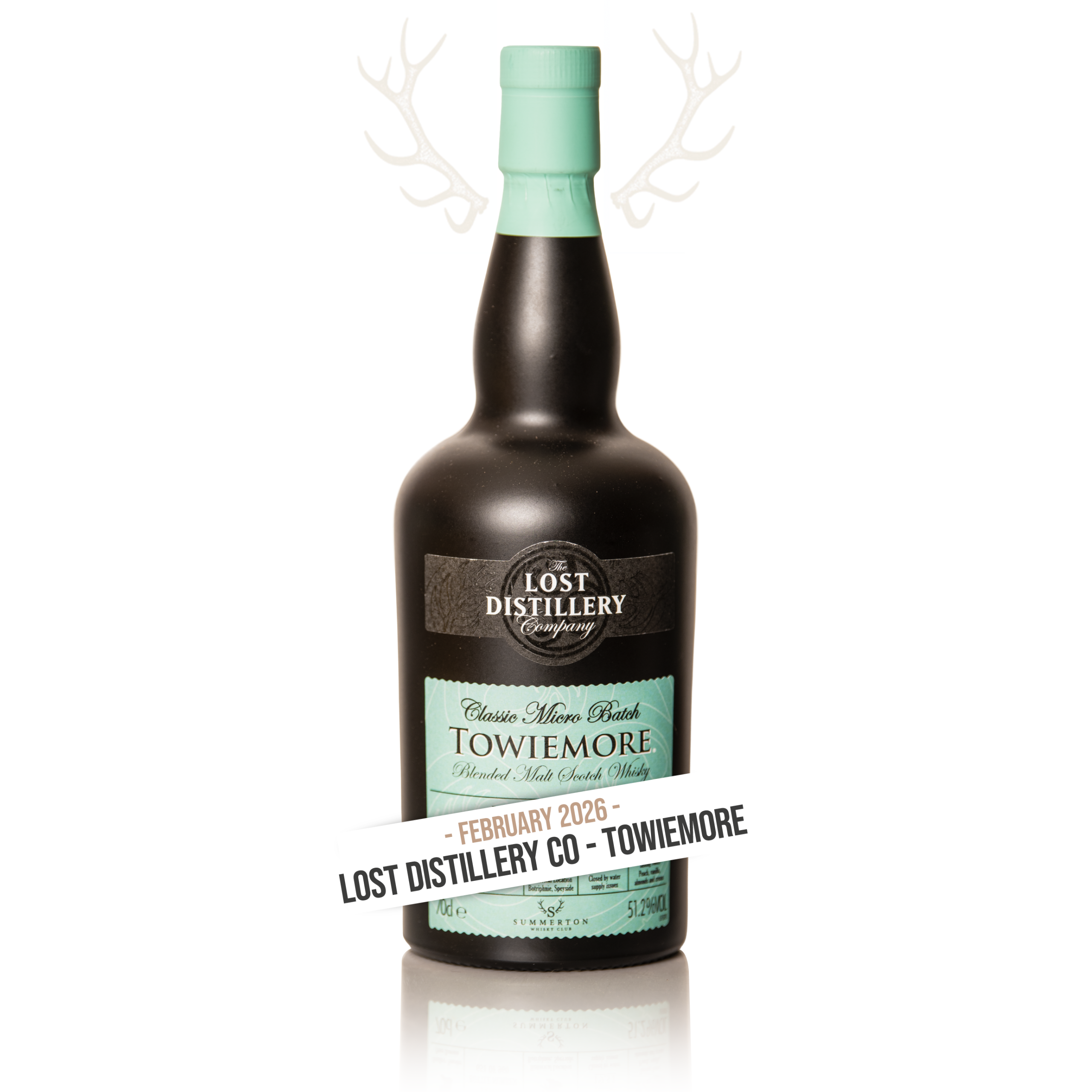
However, if you want a start, a good light, vanilla forward single malt to use would be The Glasgow Distillery’s Original. If you are looking to add some smokey depth, try The English Smokey, or if you want something fruity, try Arran Sherry Cask ‘The Bodega’.